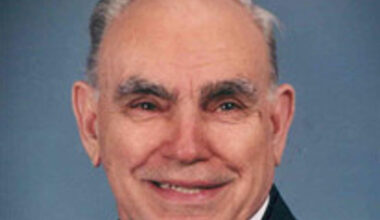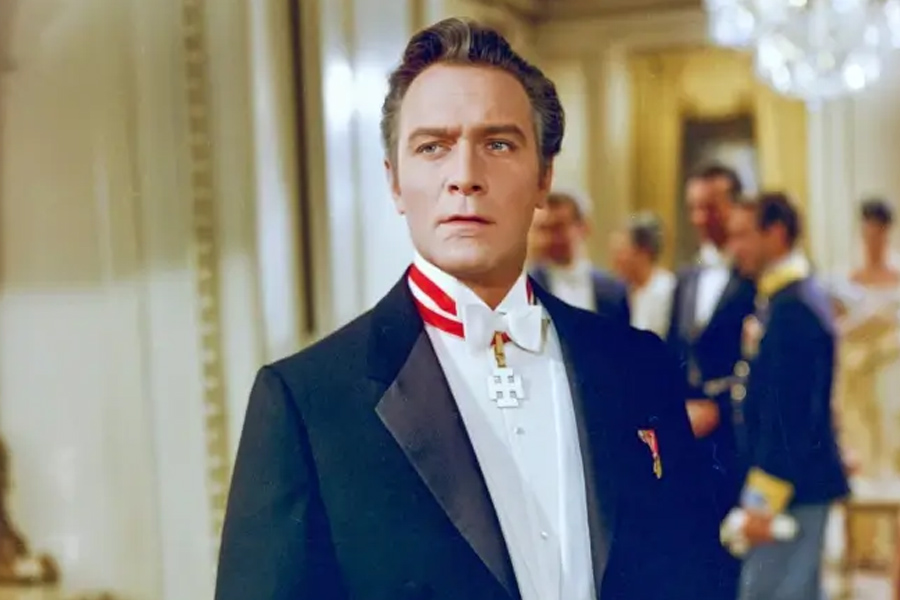
Reading about Baron Georg von Trapp always brings the hills alive. A grand symphony describes his life. Beginning bars show discipline. Chorus warmth rises. Resilience transmits final notes over oceans and decades. Born in Zara, now Zadar, Croatia, on April 4, 1880, he joined a maritime family that shaped every beat. Georg was four when his father died. He entered the Fiume Imperial and Royal Naval Academy at 14. His training took him to Australia. Visiting the Holy Land gave him seven bottles of Jordan River water to baptize his first seven children.
On the protected cruiser Zenta, he helped storm the Taku Forts in 1900 during the Boxer Rebellion. In 1908, submarines called. He led U-6 from July 1910 to July 1913. First wife Agathe Whitehead christened the boat. World War One immortalized him. He captained U-5 and sunk the French armored cruiser Leon Gambetta on April 27, 1915, after nine patrols. The first nocturnal underwater attack on an Adriatic battleship occurred then. He sank the Italian submarine Nereide on August 5, 1915.
On the captured French submarine U-14 in October 1915, he led ten additional patrols. He sank 11 merchant ships in April–October 1917. British Teakwood, Italian Antonio Sciesa, and Greek Marionga Goulandris joined the list on April 28, May 3, and July 5, respectively. He destroyed 47,653 gross register tons of commerce vessels and two warships totaling 12,641 tons by war’s end. He received the Knight’s Cross of the Military Order of Maria Theresa and barony in 1924 from Austria-Hungary. His awards included the Order of Leopold, Iron Crown, German Iron Cross, and Ottoman Liakat Medal.
His personal life was harmonious. In 1911, he married Agathe Whitehead. She was rich and musically talented as the granddaughter of torpedo inventor Robert Whitehead. Rupert 1911, Agathe 1913, Maria Franziska 1914, Werner 1915, Hedwig 1917, Johanna 1919, and Martina 1921 were their offspring. After caring for their daughter, Agathe, 31, died of scarlet fever on September 3, 1922. Georg sang throughout the house despite his grief.
The family moved to Villa Trapp in Salzburg’s Aigen area in 1924. He married Maria Augusta Kutschera, a 25-year-old Nonnberg Abbey nun and former governess, on November 26, 1927, four years later. They had Rosmarie, Eleonore, and Johannes in Pennsylvania in 1929, 1931, and 1939. Total: 10 kids. Ten voices that would fill music halls worldwide.
The 1930s caused chords to break. The worldwide Depression wiped off most of Agathe’s inheritance after a 1935 Austrian bank bankruptcy. Georg transferred money for a pal. Virtually by chance, professional singing began. A 1936 Salzburg Festival prize opened doors. Priest Franz Wasner taught the kids Renaissance religious music. More than 30 nations hosted nearly 2,000 Trapp Family Singers concerts.
Political storm clouds accelerated. Georg declined German naval commissions after the March 1938 Anschluss. He declined Hitler’s birthday singing invitation. Swastika was rejected by the family. They traveled by train to Italy in July 1938, utilizing Georg’s Zara birthplace for citizenship. From there, they sailed to America. No mountain climb. Just calm honor and determination.
Johannes was born in Pennsylvania, where they briefly settled. They reached Stowe, Vermont, 1941. Two years later, they bought a 660-acre farm for $10,000. Maria turned the farmhouse into a 27-room resort called Cor Unum (One Heart). It welcomed guests in 1950. Georg established Trapp Family Austrian Relief in 1947 to give relief home. He died of lung cancer at 67 on 30 May 1947. Doctors later attributed identical illnesses to U-boat fuel fumes. His remains are at the lodge’s family graveyard.
Family Members: An Exhaustive Portrait
I keep a mental portrait gallery of every von Trapp voice. Here is the complete ensemble.
Daily Life, Whistle Calls, and Quiet Strength
Georg used a boatswain’s whistle to summon children for meals or lessons. Short blasts meant one thing. Long notes meant another. The system brought naval order to a lively household. He taught gardening, chicken farming, and self-sufficiency when money ran low. Music rehearsals happened every evening. Sacred polyphony mixed with folk tunes. Nature walks filled weekends. The family hiked, skied, and gardened together.
Achievements in Numbers
- 24 years of naval service from 1898 to 1918.
- 19 combat patrols across two submarines.
- 47,653 gross register tons of merchant shipping sunk.
- 12,641 tons of warships destroyed.
- 2,000-plus concerts given by the family singers.
- 660 acres purchased in 1942.
- 2,600 acres today.
- 75 years of the lodge as of 2025.
- Cross-country ski center founded in 1968, the first commercial one in North America.
Recent Milestones
In February 2025 the lodge rebranded as the von Trapp Family Lodge & Resort to honor its Austrian roots and expanded offerings. Guests now enjoy on-site brewery lagers, a sugar shack for maple syrup, Highland cattle pastures, and expanded trails. Johannes, at 87, still splits time between Vermont and his New Mexico ranch. Sam and Kristina handle daily operations and lead history tours that separate fact from film fiction.
FAQ
How did Baron Von Trapp earn his title?
The Military Order of Maria Theresa in 1924 recognized his wartime valor and automatically granted the hereditary baronial rank.
Why did the family leave Austria?
They opposed Nazi rule, refused to fly the swastika, and declined official invitations that would have compromised their principles.
Did they really climb the Alps to escape?
No. They took the train to Italy in 1938, then sailed to the United States.
How many children sang in the original group?
All ten children plus Georg and Maria performed together after 1936.
Who runs the lodge today?
Johannes von Trapp’s children Sam and Kristina, along with other descendants, keep the family business thriving.
What happened to the great-grandchildren’s band?
Sofia, Melanie, Amanda, and August performed as The von Trapps until 2016 and released multiple albums blending folk and indie sounds.
I close this chapter here, yet the music plays on. Every guest who walks the meadows, every child who hears the whistle in a tour story, every singer who joins a fireside harmony carries forward the legacy Baron Von Trapp began in 1880. His life proved that courage, love, and song can navigate any sea.