Think of the Dumpster as Three Dimensional Storage
A dumpster is not merely a giant metal box waiting for trash to fall into it. It is a temporary storage puzzle with wheels, walls, weight limits, and a strong dislike of chaotic piles. Every item has a place, and every empty pocket is an opportunity to fit something else.
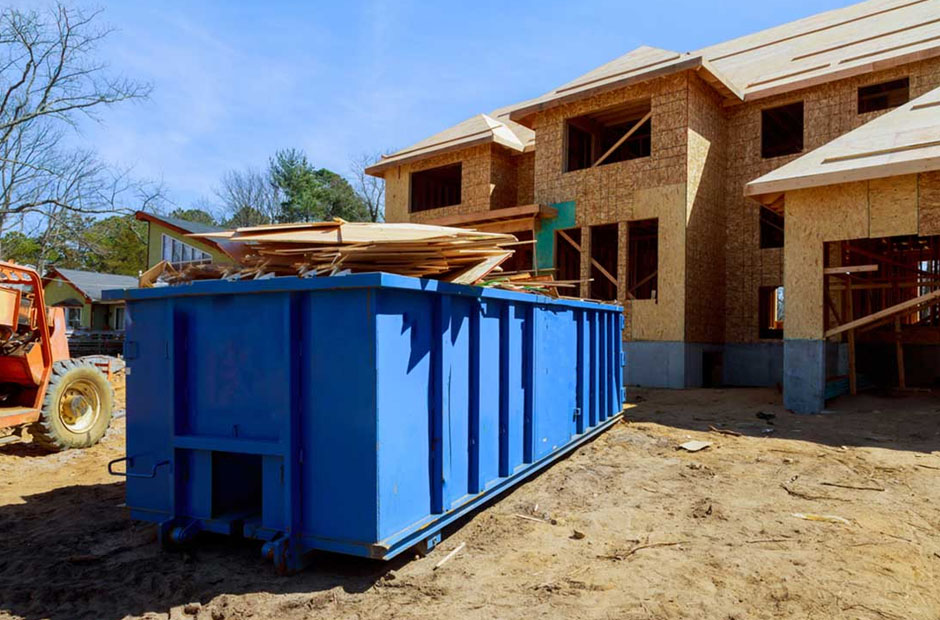
Before loading, inspect the container from all angles. Note the wall height, opening form, and space around the bin for bulky goods. An odd dumpster placement near a fence, tree, or parked car might make loading difficult. The container may have capacity, but reaching it with cumbersome rubbish is a circus act nobody wanted.
Instead than estimating by bag count, estimate waste volume. A stack of flattened boxes is substantially smaller than unbroken boxes. After disassembly, a broken cabinet may fit well, but it can use a lot of air. Consider how items will fit in the container after being broken, folded, nested, or crushed.
Create a Loading Map Before the First Toss
A few minutes of planning can prevent an hour of wrestling with debris. Divide the waste into broad groups such as dense materials, rigid objects, flexible trash, reusable items, and oddly shaped pieces. This simple sorting process gives the loading operation a rhythm instead of turning it into a free-for-all worthy of a raccoon convention.
Though dense materials should be near the bottom, weight should be dispersed across the floor. A concrete mound at one end can unbalance the container and cause pickup issues. Instead of erecting a huge rocky mountain, spread heavy debris throughout the base.
Rigid items can form useful layers. Doors, boards, shelves, and flattened furniture panels may create a platform over smaller debris. Flexible materials can then fill the spaces around them. This arrangement prevents soft waste from becoming a fluffy air pillow that steals valuable capacity.
Separate suspicious goods until you know they can go in the container. Paint, chemicals, batteries, tires, appliances, and electronics may need specific care. Waste not, throw everything together and hope for the best. Suspenseful but disappointing.
Break Down Bulky Objects Like a Furniture Surgeon
Large items often have more empty space than material. A sofa may have cushions, timber structure, fabric, and a lot of empty space. Removing cushions and disassembling the frame might help arrange items. Basic tools can divide tables, bed frames, shelving units, and cupboards into stackable portions.
Prior to dumpstering, flatten cardboard. Boxes confidently take up space like hollow cubes. Flat cardboard is flexible and can slide against side walls or between rough objects. Remove packing paper from boxes and cover minor gaps with it.
Cut or fold long materials when practical. Carpet, plastic sheeting, and flexible flooring can be rolled tightly or folded into compact bundles. Long boards should rest flat or along the container’s length instead of sticking upward like wooden antennae. Be mindful of nails, screws, broken glass, and sharp edges while dismantling anything. A compact load is useful, but not if it turns every reach into a surprise handshake with a rusty screw.
Build Stable Layers From the Floor Up
Start with a level base. Place dense debris across the bottom and arrange it so that the surface is reasonably even. Large chunks can be placed beside one another, with smaller pieces tucked into the spaces between them. Avoid creating one tall pile that leans dramatically to one side. A dumpster should look organized, not like it is preparing to escape.
Next, add medium sized items. This layer may include broken furniture, wood pieces, flooring fragments, cabinets, or bundled materials. Rotate objects as needed to create a snug arrangement. Sometimes a piece fits perfectly when turned sideways, while its original position wastes half the container. Waste does not care about tradition. A chair does not need to remain recognizable.
Use soft materials near the upper layers and around remaining gaps. Clothing, towels, cushions, bags, and other flexible items can act like packing material. Push them into open spaces rather than dropping them in loose heaps. The goal is to reduce pockets of air without creating an unstable mound.
Pause occasionally to inspect the load from the ground. If one side is rising faster than the other, adjust the next few items toward the lower side. Regular corrections are much easier than fixing a lopsided pile after the container is nearly full.
Use the Corners and Walls Carefully
Dumpster edges are valuable real estate. Many long, flat, or narrow items fit along walls. Trim, boards, metal, and flattened panels can form an outer ring with uneven detritus in the center. This method is useful when the project involves several lengthy pieces that would otherwise crisscross the container in a wooden forest.
Do not use the walls as a launch ramp for material that extends above the rim. Waste should remain inside the container, with the top surface as level as reasonably possible. Items sticking out can create safety hazards, interfere with covering the load, or violate transportation requirements.
Place sharp items carefully. Sharp metal, shattered glass, and sharp construction waste should not face outward where they can grab clothing or endanger container handlers. Try to place them inside and protect exposed edges with robust materials. Do not enter a dumpster to rearrange trash. A seemingly innocent container may contain unstable materials, hidden nails, or weak places beneath the pile.
Compress Without Creating a Hazard
Compression helps flatten, fold, cut, and organize materials. Jumping on debris, driving equipment into the container, or forcing items down is dangerous. A dumpster is not a trampoline, wrestling ring, or demolition superhero audition.
Break cardboard, collapse containers, deflate bags, and separate nesting elements. If it doesn’t harm the bin or cause flying debris, a tool can press soft trash from outside the container. Large mattresses, cushions, and other goods can be flattened and encircled by smaller items.
Avoid adding water to make waste settle. Wet debris becomes heavier, and excessive weight can cause problems even when the container does not look full. The volume limit and weight limit are separate rules, and both matter. A half-full container packed with concrete may be much heavier than a full container of lightweight household junk.
Keep Useful Materials Out of the Dumpster
Efficient loading begins before the waste reaches the container. Set aside items that can be donated, recycled, reused, or handled through a special collection program. This reduces the amount of material competing for space and prevents valuable objects from disappearing beneath layers of debris.
Separate metal, clean wood, cardboard, household products, and general rubbish staging areas. Using a folding table, labeled boxes, or colored tape can make sorting easier. When the dumpster is only a few feet away, fast workers often throw objects into the nearest opening. Clear labels make better choices simpler.
Protect reusable materials from rain and dust while the project continues. A dry stack of lumber or a clean appliance may have value, while the same item buried under soggy debris becomes much less appealing. The dumpster should receive true waste, not every object that happens to be in the way.
FAQ
How full should a dumpster be when it is ready for pickup?
The contents should generally remain level with or below the top edge of the container. Nothing should hang over the sides or extend above the rim. A level load is easier to cover, safer to transport, and less likely to shift during removal.
Can heavy debris be placed in any part of the dumpster?
Heavy debris should be spread across the floor instead of concentrated in one corner. Distribution helps maintain balance and prevents excessive pressure on a single area. Always account for the container’s weight allowance, especially when loading concrete, brick, soil, tile, or roofing materials.
Is it better to use bags for household waste?
Bags can help contain loose household debris and make the load easier to arrange. They should be filled securely without becoming so heavy that they cannot be handled safely. Dense materials such as masonry should not be stuffed into oversized bags simply to create convenient packages.
What should be done with long boards and pipes?
Place long materials along the length of the container when possible. Cut them into manageable sections if permitted and safe to do so. Keep every piece below the rim, and avoid creating a crisscrossed pile that leaves large air pockets.
Can a person climb inside the dumpster to arrange materials?
Climbing into a dumpster is unsafe because the contents may shift, contain sharp objects, or conceal unstable surfaces. Load materials from the ground and use safe tools and handling methods. A neat arrangement is never worth risking a fall or injury.
Why does a dumpster look full even when there is unused space?
Bulky objects, intact boxes, loose cushions, and irregular debris trap large pockets of air. These materials can make the container appear crowded while leaving substantial empty volume between them. Flattening, disassembling, nesting, and filling gaps can significantly improve the usable capacity.