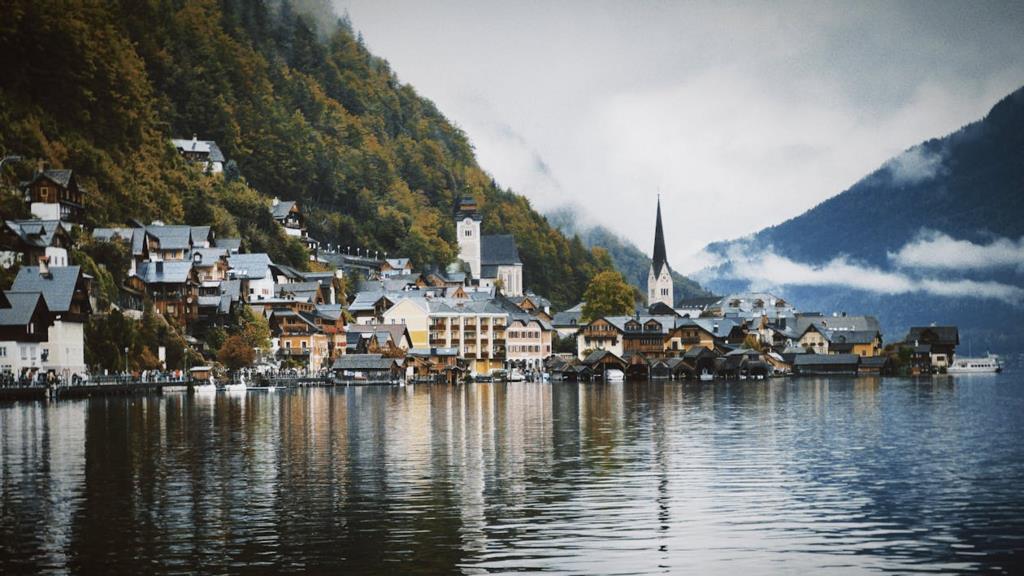
The Art of Staying Put in Austria
Austrians dislike being treated like airport lounges. You can’t really enjoy Vienna, Salzburg, the Alps, the vineyards, and every charming village in one heroic dash without looking like you lost your bags and soul.
The better approach is to choose fewer places and stay longer. Give each destination enough time to reveal its second personality. Vienna may first appear grand and polished, all imperial buildings and serious museums. Stay a little longer and it becomes a city of hidden courtyards, eccentric stationery shops, neighborhood bakeries, and cafés where a single cup of coffee can support an entire afternoon.
This is the heart of slow travel in Austria for 2026. The goal is not to see everything. The goal is to notice more.
A ten day trip can work beautifully when it includes generous pauses. A morning train should not be followed by six attractions, three viewpoints, and a dramatic vow to wake up at dawn. One meaningful plan per day is plenty. Austria will still be there after lunch.
Build a Trip Around Regions Rather Than Landmarks
A useful Austria itinerary begins with geography, but it should be shaped by mood. Instead of collecting famous places like refrigerator magnets, choose a few regions that offer different kinds of days.
Vienna is an ideal starting chapter since it offers culture, food, and great public transportation without a rental car or alpine navigation degree. Stay four nites if you can. Leave room for smaller museums after visiting one big one. While the Naschmarkt is busy, neighborhood markets are more personal. People-watching at the city’s public parks is great, especially when the weather makes everyone ignore the prediction.
Travel west from Vienna to Styria or Burgenland. Styria is green, hilly, and food-focused. Pumpkin seed oil is used to salads, soups, and other dishes that could do without it. Burgenland is brighter and flatter, with vineyards, thermal springs, and calm roads that make cycling noble.
Then move toward the mountains. Innsbruck makes an excellent base for travelers who want alpine scenery without abandoning city comforts. You can walk through a historic center in the morning, ride a cable car toward high meadows, and return in time for a hearty dinner. That combination is highly efficient, yet still feels civilized.
Finish with the Wachau Valley, where vineyards, riverside villages, monasteries, and cycling routes form a landscape that seems to have been designed by someone with an unusually strong opinion about scenic composition.
A Twelve Day Route With Room to Breathe
A longer itinerary allows Austria to unfold without the frantic energy of a game show contestant.
Days One to Four in Vienna
Focus on orientation rather than conquest on day one. Walk through the Innere Stadt, have cake, and study the tram system before getting ambitious. On day two, visit one big cultural attraction and explore an unexpected neighborhood. Museums are great, but a flower stand, carved doorway, elderly man debating with a newspaper, or dog that owns a square frequently stick with you longer.
Food can dominate day three. Find a traditional pub off the tourist routes and enjoy regional specialties while talking. Visit a wine village or castle garden on Day 4 for a gentler trip. Arrive in Vienna before evening and enjoy the unusual luxury of not leaving immediately.
Days Five to Seven in Styria
Graz deserves more than a quick photograph from the Schlossberg. Its compact center is easy to explore on foot, and its food culture is inventive without becoming theatrical. Visit the farmers market in the morning, browse small design shops, and make time for a long lunch.
The surrounding region is perfect for a day trip by train or local bus. Look for a family run winery, a village inn, or a thermal spa where the loudest sound is a distant pigeon making questionable decisions. In Styria, the landscape is part of the meal. Hills roll behind vineyards, orchards sit beside country roads, and nearly every viewpoint seems to be quietly showing off.
Days Eight to Ten in Innsbruck
Innsbruck is a good place to add movement without turning the trip into an endurance test. Choose one cable car excursion or one mountain route, not both before breakfast. Alpine weather can change quickly, so layers are essential. The morning may begin under blue skies and end with clouds marching across the peaks like an army of damp pillows.
For a gentler day, rent an e bike and follow a valley route with a stop at an alpine hut. The reward is not simply the view. It is the soup, the wooden benches, and the feeling that lunch has been earned through a perfectly reasonable amount of exertion.
Spend another day exploring nearby villages, where church towers, farmhouses, and flower boxes create an atmosphere of suspicious neatness. Do not worry. The locals are real. They simply appear to have reached an advanced agreement with tidiness.
Days Eleven and Twelve in the Wachau Valley
The Wachau is best experienced slowly, preferably by bicycle, train, or a combination of both. Base yourself in a village rather than moving hotels every night. Cycle beside the Danube, stop at a vineyard, and visit Melk Abbey when you have enough energy to appreciate its scale.
September is especially appealing, with softer light and harvest activity in the vineyards. Spring brings fresh green hills and fewer visitors. In either season, plan for breaks. A riverside bench is not wasted time. It is a legitimate itinerary item.
Choose Transport That Matches the Pace
Austria is unusually friendly to travelers who prefer not to drive. Trains connect major cities efficiently, and regional routes make it possible to reach smaller destinations with a little planning. The journey itself becomes part of the trip rather than an obstacle between attractions.
Reserve seats for busy routes when practical, especially during festivals and holidays. Keep a little flexibility for local buses, which may be less frequent in rural areas. A journey that looks simple on a map can become a small logistical opera once mountain villages and Sunday timetables enter the story.
Cycling is another excellent way to understand the country. A train window gives you a beautiful view. A bicycle gives you the smell of cut grass, the sound of a stream, and a strong opinion about the next hill.
For mountain walks, download maps before leaving reliable coverage. An Austria eSIM can help with live directions, weather updates, and transport information, particularly when you are moving between cities and remote valleys. It is not a substitute for preparation, but it is a useful companion when the trail sign seems to have wandered off for a coffee.
Travel More Lightly Without Making It Miserable
Sustainable travel should not feel like a punishment administered by a stern person in a hemp hat. In Austria, many practical choices are also the most enjoyable ones.
Stay in smaller guesthouses, farm accommodations, or hotels with recognized environmental standards. Eat seasonal food when possible, refill your water bottle, and carry a small bag for market purchases. Local restaurants often offer a stronger sense of place than international chains, while village bakeries can provide breakfast that makes hotel buffets look emotionally underqualified.
Visitors are spread out by traveling outside summer peak weeks. Mountain weather is beautifully unpredictable, although May, June, September, and October are comfortable. With milder temperatures and gold-colored landscapes, early fall is great for strolling and cycling.
Respecting local life counts. Follow defined routes, keep voices low in residential communities, and don’t use private farm paths as cinematic shortcuts. Visit popular areas early or late. Hallstatt is wonderful, but Austria has many lakes, villages, and vistas without lines to picture the same swan.
Small Habits That Make the Journey Better
Book fewer hotel changes. Pack shoes that can handle cobblestones and muddy paths. Carry cash for rural cafés and small shops, even though cards are widely accepted in cities. Learn a few German phrases, including greetings and thank you. Pronunciation does not need to be perfect. Enthusiasm covers a surprising amount of linguistic damage.
Leave gaps between destinations. A missed connection is less frightening when the next plan is simply dinner. Check opening hours before visiting small museums, mountain huts, and family owned restaurants, as some close for rest days or seasonal breaks.
Most importantly, allow Austria to be slightly inconvenient. A late bus, a sudden shower, or a bakery that has sold out of your preferred pastry can become part of the story. Travel becomes memorable when it stops behaving like a spreadsheet.
FAQ
How many nights are enough for a slow trip through Austria?
Ten to twelve nights provides a comfortable starting point. This allows time for Vienna, one southern region such as Styria or Burgenland, an alpine base, and the Wachau Valley. With fewer nights, choose two regions rather than attempting a national tour conducted at running speed.
Is Austria easy to explore without renting a car?
Yes. Major cities and many regional destinations are connected by train, while buses and cable cars extend access into rural and mountain areas. A car can be useful for remote countryside stays, but it is not necessary for a well planned slow travel itinerary.
What is the best season for a relaxed Austrian holiday?
Late spring and early autumn are excellent choices. May and June bring fresh landscapes, while September and October offer cooler days, harvest colors, and generally calmer conditions. Some mountain facilities operate on limited schedules outside the main summer and winter seasons, so check ahead.
How can travelers avoid the busiest destinations?
Visit famous places at quieter times of day and spend more time in nearby regions. Traunsee, Wolfgangsee, Burgenland, Styria, and smaller Wachau villages can provide memorable scenery with less pressure than the most photographed locations.
What should I pack for an Austrian trip?
Bring comfortable walking shoes, light layers, a waterproof jacket, a refillable bottle, and a small daypack. Alpine weather can shift quickly, even during warmer months. A portable charger and offline maps are also useful for long train journeys and mountain outings.
Is slow travel in Austria suitable for solo travelers?
Very lot. Austria is easy to explore, public transport is reliable, and towns offer many solo activities like museum tours and café lunches. Regional guesthouses and guided walks offer cordial socializing without pressing it.