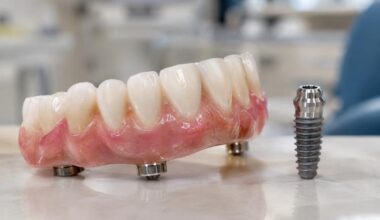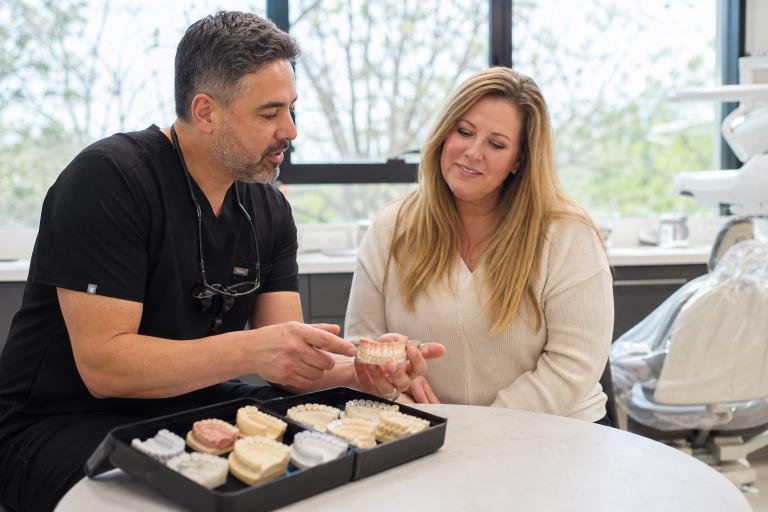
Choosing full-arch replacement teeth involves more than selecting the strongest-looking option. The restoration material can influence how comfortably you chew, how your speech adapts, how natural your smile appears, and what maintenance may be needed over time. People researching a zirconia fixed bridge Rockville, MD option should still compare it with other designs in the context of their bite, gum health, bone support, and daily priorities.
A lower initial price does not always equal the lowest long-term cost, and a premium material is not automatically the right answer for every mouth. The most useful decision comes from understanding the trade-offs between strength, repairability, appearance, cleaning requirements, and whether the teeth will be fixed in place or removable.
Why Material Choice Matters
Full-arch treatment replaces all teeth in the upper jaw, lower jaw, or both. The teeth may rest on gums, attach to implants, or use a combination of support methods. Because materials respond differently to pressure, staining, and damage, the choice affects both the result on delivery day and the service required later.
Implants can support crowns, bridges, and dentures, but they must be planned around available bone, healing capacity, bite forces, and the position of the opposing teeth. Dental implants support artificial teeth after healing, but the final restoration still needs a design that fits the individual patient.
The Main Material Options
Several broad categories may be considered for full-arch tooth replacement:
- Traditional removable dentures: Rest on the gums and can be removed for cleaning and sleeping.
- Acrylic or PMMA restorations: Often used for immediate or temporary teeth, and sometimes for longer-term implant-supported arches.
- Metal-supported hybrids: Usually combine a metal framework with acrylic gums and denture teeth.
- Monolithic zirconia: A solid ceramic restoration commonly selected for fixed implant bridges.
- Layered ceramic designs: Can offer detailed aesthetics but may require added consideration for chipping and repairs.
Instead of comparing materials by a single ranking, consider how they are held in place, whether they can be removed, the likely maintenance needs, and how easily a damaged section can be repaired.
Where Zirconia Fits
Zirconia is a tooth-colored ceramic used in many fixed dental restorations. When designed with adequate thickness, a carefully planned bite, and proper implant support, it can provide a smooth, stable surface with strong wear resistance. Its low porosity can also make staining less of a concern than with many resin-based materials.
However, zirconia is not a universal solution. It requires enough restorative space, precise digital planning, and a bite design that manages heavy forces. A strong bridge can still have complications involving screws, implants, surrounding gum tissue, or the opposing teeth. Regular professional evaluations remain important.
When Acrylic May Make Sense
Acrylic and PMMA materials are frequently used for temporary full-arch teeth during implant healing. They can be lighter than ceramic options and may be simpler to adjust, recontour, or repair if a tooth chips. In some treatment plans, this flexibility is especially valuable while the patient adapts to a new bite and speech pattern.
The trade-off is that acrylic can wear, stain, fracture, or lose surface polish over time. It may be a practical long-term choice for some people, but it often requires more attention to maintenance and potential replacement than a ceramic restoration. New materials continue to evolve, yet clinical performance over many years matters more than marketing claims.
How Traditional Dentures Compare
Traditional dentures replace a full arch without implant surgery. They are removable, which makes cleaning straightforward, and they can be a sensible option when surgery, cost, anatomy, or health considerations limit implant treatment. Removable dentures can restore eating and speaking function, although adjustment time and follow-up visits are common.
Because dentures rest on changing gum and bone tissues, their fit may shift over time. Adhesives, relines, adjustments, and eventual replacement may be part of long-term care. Some patients value the simpler approach, while others prioritize the greater security of an implant-supported design.
Comfort, Function, And Appearance
What Patients Notice Each Day
- Confidence when chewing foods with different textures.
- Speech changes while adapting to new tooth contours and bite height.
- Stability while laughing, yawning, or speaking in public.
- How easily food collects beneath a fixed bridge or around a removable appliance.
- The feel of the material against the tongue, cheeks, and gums.
For example, one patient may choose an acrylic hybrid because easier repairs are a priority. Another may prefer a fixed zirconia bridge because they value a ceramic appearance and a more permanent feel. Neither preference is automatically better.
Smile design also matters. Tooth size, shape, color, gum display, lip movement, and facial proportions all affect the final appearance. Trial teeth, digital previews, and direct feedback can help prevent a smile from looking overly bright, too uniform, or out of proportion with the face.
Durability, Care, And Cost Factors
Durability includes more than whether the visible teeth crack. Surface wear, chipped teeth, fractured porcelain, loose screws, worn attachments, gum inflammation, and implant concerns all require different solutions. Clenching and grinding can increase mechanical stress, so a night guard may be recommended after treatment.
Daily Cleaning And Maintenance
- Follow the cleaning instructions for the specific restoration.
- Use brushes, flossing aids, or water-based tools recommended for access beneath a fixed bridge.
- Clean the tongue, gums, and any remaining natural teeth every day.
- Attend maintenance visits at intervals recommended by the dental team.
- Report bleeding, swelling, pain, odor, looseness, or bite changes promptly.
Fixed does not mean maintenance-free. Consistent cleaning and checkups can help identify small concerns before they become larger repairs.
What Changes the Cost
A written estimate should separate surgical care, extractions, grafting, temporary teeth, final materials, imaging, laboratory work, and follow-up maintenance. The number and location of implants, the need for gum treatment, repair policies, insurance limits, and financing arrangements can all change the total investment.
Candidacy And Questions To Ask
Candidacy depends on far more than how many teeth are missing. A dental professional should review medical history, healing ability, gum health, infection control, bone volume, implant position, clenching habits, oral hygiene, and expectations for fixed versus removable teeth.
Helpful Questions Before Treatment
- Which materials are available for my proposed restoration?
- Will my final teeth be fixed or removable?
- What are the likely repair needs for each material?
- How will I clean beneath and around the restoration?
- How could grinding or bite force affect the plan?
- What is included in the written estimate and maintenance plan?
- Are temporary teeth included before the final bridge is delivered?
- What alternatives should I consider before deciding?
Final Takeaway
Full-arch replacement materials each involve meaningful trade-offs. Zirconia, acrylic, hybrid designs, layered ceramics, and removable dentures can all serve appropriate roles when matched to the right clinical situation. A detailed examination, clear discussion of daily needs, and an itemized long-term plan can help patients select teeth that support comfort, function, appearance, and realistic maintenance goals.