Managing multi-unit rental properties can be highly lucrative, but unexpected maintenance expenses quickly erode net operating income (NOI). Between emergency plumbing calls, turnover repairs, and aging building systems, operating costs can spiral out of control if left unmanaged.
For landlords, property managers, and investors, controlling maintenance expenses isn’t about cutting corners—it is about strategic prevention, standardization, and smart asset upgrades. Implementing proactive maintenance systems allows multi-family property owners to minimize emergency repair costs, extend component lifespans, and keep turnover expenses low.
1. Shift from Reactive Repairs to Scheduled Preventive Inspections
Quick Answer: Conducting biannual property inspections catches minor plumbing leaks, HVAC issues, and roof wear before they escalate into costly multi-unit emergencies.
Waiting for tenants to report problems is an expensive way to manage real estate. Small slow leaks under sinks, running toilets, or blocked HVAC lines often go unnoticed by tenants until structural damage occurs.
Executing a structured multi-family property preventive maintenance routine involves:
- Biannual Walkthroughs: Inspect plumbing connections, under-sink piping, smoke detectors, and window seals twice a year.
- Seasonal HVAC Servicing: Clean coils, check refrigerant levels, and replace furnace filters quarterly to extend equipment lifespan.
- Roof and Gutter Clearance: Clear gutters and inspect roof flashings twice annually to prevent water backing up under shingles into upper-floor units.
2. Upgrade to High-Durability Materials in High-Moisture Wet Zones
Quick Answer: Replacing vulnerable materials like carpet and vinyl shower curtains with durable LVP flooring and tempered glass enclosures reduces water damage and turnover expenses.
Bathrooms and kitchens account for the majority of tenant maintenance calls and turnover budgets. Water damage from splashing, leaking shower curtains, and saturated subflooring is a primary driver of costly apartment rehabs.
Upgrading to commercial-grade, water-resistant materials yields significant long-term savings:
- Waterproof Luxury Vinyl Plank (LVP): Replace moisture-sensitive carpet in high-traffic areas with interlocking 100% waterproof LVP flooring that withstands tenant wear.
- Durable Enclosures and Glass: Cheap vinyl shower curtains deteriorate rapidly, leading to mold buildup and water spilling onto bathroom floors. Upgrading to heavy-duty glass shower doors in Utah or custom tempered glass enclosures creates a permanent, easy-to-clean water barrier that protects subfloors and eliminates recurring replacement costs between tenants.
- Solid Surface Countertops: Swap out easily damaged laminate countertops with quartz or granite in multi-unit kitchens to eliminate swollen seams.
3. Standardize Hardware and Fixtures Across All Units
Quick Answer: Standardizing paint shades, light fixtures, door hardware, and plumbing faucets across your portfolio enables bulk purchasing and speeds up unit turns.
If every unit in your multi-family building features different paint colors, light bulbs, or faucet models, your maintenance staff wastes hours driving to hardware stores to source unique replacement parts.
Standardization drives operational efficiency:
- Single Paint Palette: Use one neutral interior paint color and finish across every unit so maintenance techs can touch up wall scuffs without repainting entire rooms during turns.
- Uniform Plumbing Fixtures: Install identical washerless ceramic disc faucets and dual-flush toilets across all units, keeping spare cartridges pre-stocked in your supply room.
- Universal Keying Systems: Implement master key deadbolt systems to rekey locks in seconds during tenant turns without replacing door hardware.
4. Install Smart Water Leak Detection and Shutoff Valves
Quick Answer: Placing wireless water leak sensors under sinks, water heaters, and toilets sends real-time mobile alerts, preventing catastrophic multi-story water damage.
Water damage is the single largest maintenance expense for multi-unit property owners. A bursting supply line on a third-floor unit can destroy drywall, electrical systems, and flooring across lower units before anyone notices.
Protecting your building envelope with modern technology includes:
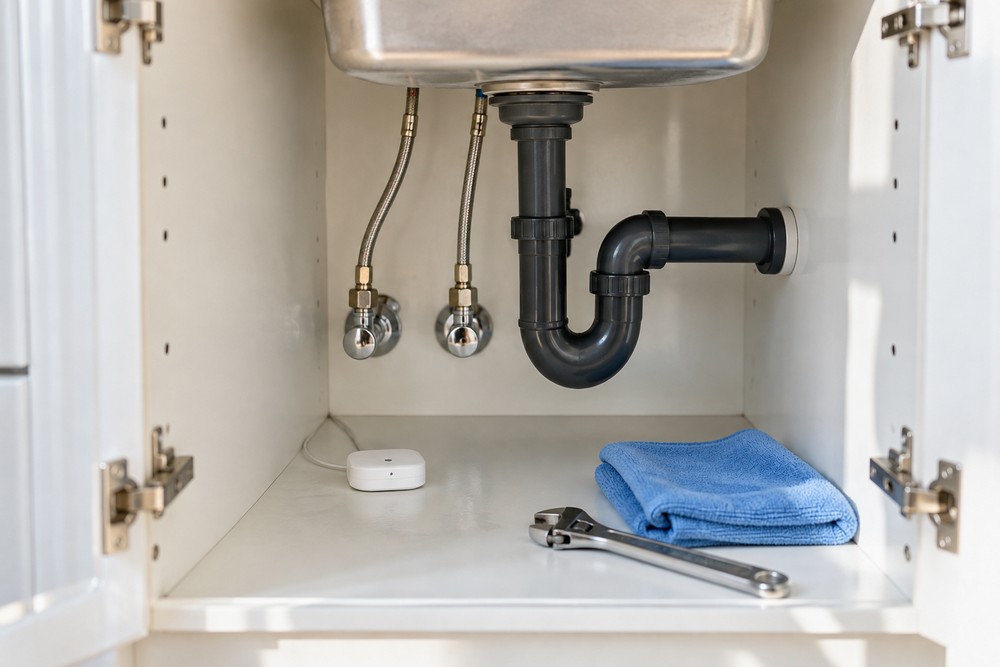
- Smart Leak Sensors: Place low-cost wireless moisture sensors under water heaters and sink drains that alert property managers immediately via smartphone apps.
- Automatic Water Shutoff Valves: Install main line auto-shutoff valves that detect unusual continuous water flow and automatically cut off the water supply.
- Braided Stainless Steel Hoses: Replace old rubber washing machine and toilet supply hoses with burst-resistant braided stainless steel lines across all units.
5. Implement Smart Landlord Capital Expenditure Planning
Quick Answer: Setting aside a dedicated capital expenditure reserve fund allows property owners to replace aging roofs, boilers, and paving on schedule without taking high-interest loans.
Emergency repairs cost significantly more than planned capital replacements. When an aging central boiler or roof fails suddenly in mid-winter, property owners pay premium emergency labor rates and risk tenant displacement costs.
Effective landlord capital expenditure planning requires:
- Asset Lifespan Audits: Catalog the age, condition, and expected remaining lifespan of major building components (roofs, HVAC units, water heaters, parking lots).
- Reserve Fund Allocations: Set aside a fixed percentage of monthly gross rental income (typically 5% to 10%) into a dedicated capital reserve account.
- Bulk Vendor Contracting: Negotiate volume discounts with licensed HVAC, plumbing, and roofing contractors by bundling multi-unit replacement projects.
6. Streamline Tenant Maintenance Reporting and Education
Quick Answer: Providing digital tenant portals and clear emergency guidelines encourages early maintenance reporting, preventing minor issues from worsening.
Tenants often delay reporting minor repairs because they fear being blamed or find reporting inconvenient. By the time a tenant mentions a slow-draining tub, structural damage may already be done.
Achieving effective rental unit turnover cost reduction involves proactive communication:
- 24/7 Digital Maintenance Portals: Use online tenant portals that allow residents to submit photo and video requests directly from their smartphones.
- Move-In Orientation Checklists: Show new tenants where main water shutoff valves are located and explain basic care (e.g., proper garbage disposal usage, avoiding flushable wipes).
- Clear Emergency Protocols: Provide written guidelines defining what constitutes an immediate maintenance emergency versus a standard request.
7. Myth vs. Fact: Multi-Family Property Maintenance
- Myth: Deferring non-essential repairs is the easiest way for landlords to save money during low-cash-flow months.
- Fact: Deferring maintenance increases overall repair costs by 300% to 500% down the road as minor leaks turn into structural rot and mold remediation.
- Myth: Hiring the cheapest unvetted handyman always saves money on routine rental repairs.
- Fact: Unlicensed, low-cost repairs frequently fail code compliance or require costly re-work by licensed professionals shortly after.
Frequently Asked Questions
What percentage of rental income should be set aside for multi-unit maintenance?
A standard benchmark is setting aside 10% to 15% of gross monthly rental income for routine maintenance, plus an additional 5% to 10% for long-term capital expenditure reserves.
How can property owners reduce tenant-caused plumbing clogs?
Install drain strainers in sinks and tubs, replace garbage disposals with heavy-duty units, and provide new tenants with clear lease addendums explicitly prohibiting “flushable” wipes, grease, and feminine hygiene products down drains.
Lowering maintenance costs on multi-unit rental properties requires transitioning from reactive emergency responses to structured, proactive asset management. By conducting regular preventive inspections, upgrading wet zones with durable waterproof materials and heavy-duty glass enclosures, standardizing hardware across all units, deploying smart leak detection technology, and maintaining dedicated capital reserves, property owners protect their investments. Minimizing maintenance friction safeguards building equity and delivers reliable, long-term net operating income.