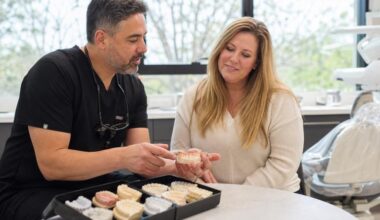
Choosing a full-arch tooth replacement option is a significant health and lifestyle decision. For people in Coventry and nearby Rhode Island communities, the right path depends on more than replacing visible teeth. It also involves chewing comfort, speech, gum health, bone support, daily cleaning habits, treatment timing, and budget. Patients researching full mouth dental implants Coventry, RI, can find educational information from Eric George DMD & Associates. This Coventry practice provides full-arch implant treatment planning, implant-supported restorations, dentures, and related care. Its full-mouth implant resource explains how clinical exams, 3D imaging, temporary teeth, and final restorations can be coordinated for patients in Coventry and surrounding communities with missing or failing teeth.
Why Full-Arch Replacement Needs a Personalized Plan
Full-arch tooth replacement means restoring all teeth in the upper arch, lower arch, or both. Some people are adapting to long-term dentures, while others have several damaged or failing teeth that may need treatment. A careful plan should consider the condition of any remaining natural teeth before extraction is discussed. Replacing missing teeth may help support everyday chewing, speech, appearance, and comfort. However, there is no single treatment that fits every person. Someone who prefers a removable appliance may make a different choice than someone seeking a fixed restoration. Oral health, jawbone anatomy, medical history, lifestyle, and willingness to follow a maintenance routine all matter.
The Main Full-Arch Treatment Options
Traditional Removable Dentures
Traditional dentures rest on the gums and are removed for cleaning. They generally involve fewer surgical steps than implant treatment, making them a practical option for some patients. They can also require periodic adjustments as the mouth changes. Movement during meals or speaking, sore spots, adhesives, and food limitations are common issues worth discussing before choosing this approach.
Implant-Supported Dentures
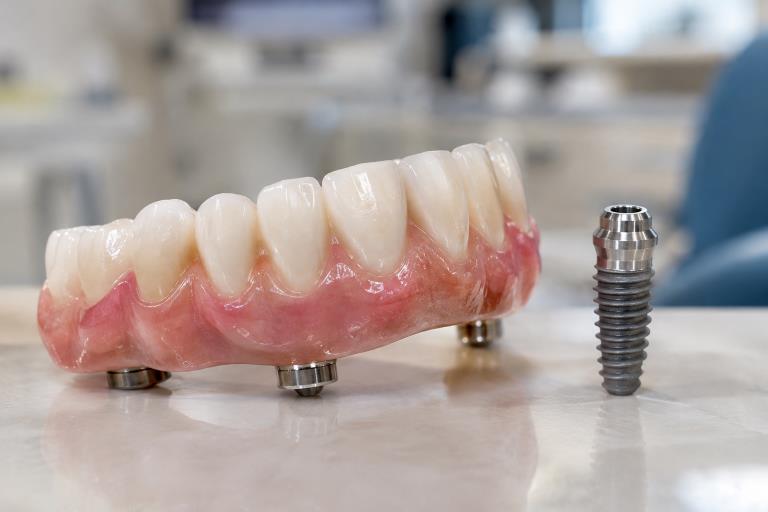
Implant-supported dentures use dental implants to improve retention. Depending on the design, the denture may still be removable by the patient for home cleaning. This approach can appeal to people who want more stability than a conventional denture while keeping a removable option. The number and position of implants depend on the individual treatment plan.
Fixed Implant-Supported Teeth
Fixed full-arch restorations are attached to multiple implants and remain in place except when removed by a dental professional for service. They can provide a stable feel during eating and conversation, but they require surgery, detailed planning, and consistent cleaning beneath the bridge. Fixed does not mean maintenance-free.
How Dentists Evaluate Candidacy
A full-arch consultation commonly includes an examination of the teeth and gums, a review of medical history, a bite evaluation, photographs, and three-dimensional imaging. These steps help the dental team evaluate available bone, identify infection or gum disease, and plan where implants may be placed. Smoking, uncontrolled health conditions, teeth grinding, certain medications, active infection, and bone loss can affect the plan or healing process. Bone loss does not automatically rule out implants. In some cases, treatment may involve grafting, periodontal care, or a different implant design. The FDA notes that overall health and smoking can affect implant candidacy and healing, so reviewing dental implant benefits and risks can help patients prepare for an informed conversation.
Fixed Teeth vs. Removable Teeth in Daily Life
- Stability: Fixed restorations are secured to implants, while removable dentures may move during meals or speech.
- Cleaning: Removable dentures can be taken out and cleaned directly. Fixed bridges require brushing and cleaning around and beneath the restoration.
- Comfort: Both options may need adjustments. Gum pressure, sore areas, speech changes, and bite changes should be reported promptly.
- Maintenance: Regular professional care remains important for dentures, implants, gums, and restorations.
- Cost: Compare the complete treatment plan, including future maintenance, rather than only the initial price.
What the Treatment Process May Look Like
- Consultation and diagnosis: Review goals, health history, teeth, gums, bone, and available alternatives.
- Preparation: Address gum disease, infection, hopeless teeth, or grafting needs when appropriate.
- Implant placement: Place implants according to the surgical and restorative plan.
- Temporary teeth: Some patients receive a temporary appliance during healing, but immediate teeth are not suitable for every case.
- Healing and final restoration: The final bridge or denture is completed after the team confirms healing, bite, appearance, and implant stability.
Timelines vary. A straightforward case may require fewer stages than a case involving extractions, infection treatment, or grafting. Patients should ask what happens if healing takes longer than anticipated, especially when coordinating treatment around work, family obligations, or Rhode Island’s busy holiday and summer travel seasons.
Materials Matter, But So Does the Bite
Full-arch restorations may use acrylic, composite, metal-ceramic, zirconia, or combinations of materials. Material selection can affect appearance, weight, repairability, wear, strength, and cost. A person who clenches or grinds may need different planning than someone with a lighter bite. Dental materials are designed for specific restorative needs, and ongoing dental materials research examines how restorations, implants, and supporting materials perform in the oral environment. Ask which material is proposed, why it fits your case, and how repairs would be handled if needed.
Questions To Ask When Comparing Estimates
- Does the estimate cover one arch or both arches?
- Are extractions, imaging, sedation, temporary teeth, laboratory fees, and follow-up visits included?
- What happens if grafting or additional treatment becomes necessary?
- Which final material will be used?
- Who handles surgery, restoration, repairs, and routine maintenance?
- Are financing terms, warranty details, and repair policies provided in writing?
Recovery and Long-Term Care
Recovery varies depending on the number of implants, extractions, and grafts, general health, and individual healing. Short-term instructions may include eating softer foods, managing swelling, taking prescribed medications as directed, and attending follow-up visits. New or worsening pain, bleeding, swelling, a loose restoration, or a sudden change in the bite should be reported to the dental office. Daily care is essential. Removable appliances need to be cleaned outside the mouth. Fixed restorations need brushing and the specific under-bridge cleaning tools recommended by the dental team. Professional maintenance visits allow the provider to assess the gums, implants, bite, and condition of the restoration.
When a Second Opinion Is Valuable
A second opinion can be useful when a plan involves removing multiple natural teeth, when estimates vary substantially, when alternatives are unclear, or when there is pressure to decide quickly. Bring imaging, written treatment plans, and questions about materials and long-term care. A good comparison should make it easier to understand the diagnosis, not simply identify the lowest price.
Common Questions About Full-Arch Tooth Replacement
Are fixed full-arch teeth better than dentures?
Not automatically. Fixed teeth may offer greater stability, while removable dentures may be easier to clean, less invasive, or more affordable for some people. The right choice depends on health, anatomy, priorities, and maintenance ability.
Can someone with bone loss receive implants?
Possibly. A clinical examination and imaging are needed to determine whether grafting, periodontal treatment, angled implants, or another approach may be appropriate.
Are same-day teeth always permanent?
No. “Teeth in one day” often refers to a temporary restoration placed soon after surgery. The final restoration may be delivered later, after healing and implant stability have been evaluated.
Conclusion
Full-arch tooth replacement is not a one-size-fits-all purchase, as every patient has different dental needs, health considerations, and treatment goals. The right approach depends on factors such as jawbone condition, gum health, bite alignment, medical history, and personal preferences. A thorough examination, a clear explanation of alternatives, a complete written estimate, and a realistic maintenance plan can help Coventry patients understand what each option entails before making a commitment. It is also important to discuss the expected treatment timeline, healing period, possible preparatory procedures, and long-term cleaning requirements. Patients should ask what the quoted cost includes and whether follow-up visits or future adjustments may involve additional fees. Taking time to compare suitable options with a qualified dental professional can help patients choose a plan that supports chewing function, comfort, appearance, and long-term oral health while fitting their lifestyle and budget.