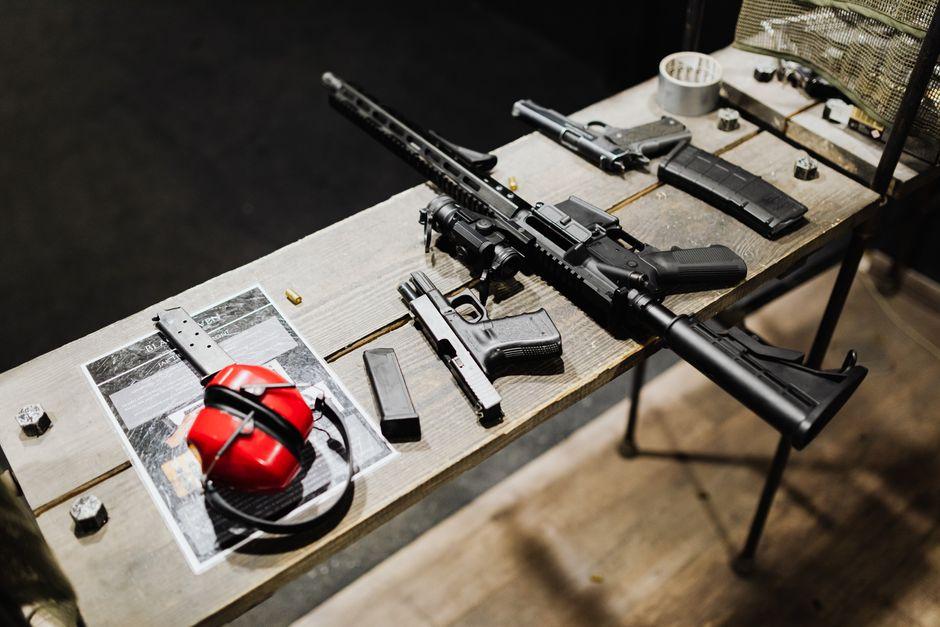
If you’ve spent any time looking at modern firearm setups, you’ve probably noticed how often pistol braces come up in debates about control, legality, and practical use. The topic gets messy fast because product design, federal rules, and actual range use don’t always line up neatly. If you’re considering a brace or just trying to understand the market around them, you need more than marketing claims. You need clear, current, usable information.
Why So Many Buyers Get Confused About the Rules
The confusion around pistol braces isn’t coming from one source. It comes from years of regulatory reversals, legal challenges, shifting ATF interpretations, and a flood of online commentary that often leaves out important details. If you’ve seen people argue about whether a braced pistol is legal, they’re usually reacting to a real issue, just not always with current information.
You need to separate product design from legal classification. A brace may be sold as a lawful accessory, but the complete firearm configuration still matters. Barrel length, overall design, intended use, and current federal or state restrictions can all affect compliance.
A smart move is to read Pistol braces explained by Recover Tactical alongside the latest ATF guidance and your own state laws. That gives you a practical baseline instead of forum rumors and half-remembered YouTube advice.
What a Pistol Brace Actually Does
A pistol brace is an accessory designed to attach to the rear of a large-format pistol, usually one built on platforms that resemble compact carbines. Its original purpose centered on helping the shooter stabilize the firearm with one hand, often by strapping the brace to the forearm.
In practice, many buyers look at braces for added control, better point-of-contact stability, and improved handling during range sessions. That matters most when you’re running a heavier pistol chambered in rifle or PCC calibers. Recoil management, sight tracking, and comfort can all improve when the setup fits your body and shooting style.
Still, a brace is not just a comfort upgrade. It changes how the firearm feels, balances, and stores. Before you buy one, you should treat it like a functional component, not a cosmetic add-on.
The Real Performance Benefits at the Range
If your only exposure to braces comes from legal arguments, you miss the reason they became popular in the first place. They can genuinely improve shootability. For many shooters, a brace adds a more stable rear interface that helps reduce wobble and supports faster follow-up shots.
That benefit becomes obvious with front-heavy setups. If you’ve added a weapon light, optic, hand stop, or larger magazine, the firearm may start feeling less manageable during extended strings of fire. A properly fitted brace can make the platform feel more planted without pushing you into a full rifle build.
Braces can also help newer shooters who struggle with muzzle rise or arm fatigue. Even experienced shooters notice a difference during drills that demand repeated target transitions. You still need fundamentals, but ergonomics can make those fundamentals easier to apply consistently.
How to Evaluate Build Quality Before You Buy
Not all braces are worth your money. Some look solid in product photos and then reveal flex, poor lockup, weak hardware, or awkward ergonomics once they’re mounted. You should evaluate a brace with the same seriousness you’d apply to an optic mount or trigger upgrade.
Start with materials and interface design. Look for durable polymer or metal components, clean machining where applicable, and a mounting system that doesn’t introduce play. Pay attention to deployment if the model folds, telescopes, or uses a modular chassis.
You should also check compatibility with your platform, buffer system, and accessories. A brace that blocks charging controls or creates awkward cheek position can turn a promising setup into a frustrating one. Fit and geometry matter more than hype. The best brace is the one that actually supports your shooting style without creating new problems.
Why Your Intended Use Should Drive the Decision
It’s easy to buy gun accessories based on looks or trends, especially when social media turns certain builds into status symbols. A brace purchase goes better when you start with your actual use case. Home defense, range training, backpack carry, truck storage where lawful, and competition-style drills all place different demands on the platform.
If your priority is compact storage, folding designs may appeal to you. If recoil control matters most, rear support and lockup become bigger concerns. If you run optics and train regularly, you may care more about repeatable indexing and overall balance than size alone.
You should also be honest about how often the firearm will be shot. A setup that feels fine during ten casual rounds can become uncomfortable during a 200-round session. Real-world use exposes hot spots, awkward sling interaction, and poor weight distribution faster than product descriptions ever will.
State Laws, Travel, and the Compliance Problems People Overlook
Federal discussions dominate the brace conversation, but state law can create just as many issues. Some states regulate firearm features more aggressively, and travel adds another layer of risk. A setup that’s lawful where you live may raise problems when transported across state lines.
You should verify local definitions, transportation rules, magazine restrictions, and any assault weapon statutes that could affect configuration. This matters especially if your firearm uses a threaded barrel, accepts detachable magazines outside the grip, or includes other regulated features.
Documentation habits also help. Keep records of the product you purchased, when you bought it, and how the manufacturer classifies it. That won’t override the law, but it can help you stay organized if regulations change or if you need to review your setup later. Compliance is rarely exciting, but it’s far less painful than fixing avoidable mistakes after the fact.
What the Market Says About Where Braces Are Headed
The brace market reflects a larger shift in the firearms industry: buyers want modularity, compactness, and role-specific customization. People increasingly expect one platform to do several jobs well, and manufacturers have responded with chassis systems, improved attachment methods, and more refined control surfaces.
You can expect future products to focus on lighter materials, cleaner folding mechanisms, and better integration with optics, lights, and suppressor-ready builds. At the same time, regulatory uncertainty will keep shaping design choices. Companies now have to think not only about performance but also about how a product may be interpreted by agencies, lawmakers, retailers, and insurers.
For you as a buyer, that means patience often pays off. The newest product isn’t always the smartest one to buy immediately. Watching how a design performs in the market for a few months can reveal durability issues, compatibility complaints, or legal concerns before they land in your safe.