I have always been drawn to the quiet figures who stand in the shadows of history. Few people embody this idea more than Alfred Du Bois. Born around 1833 in Haiti, this man lived a life marked by movement, modest work, and an early departure from his family. Yet his bloodline gave the world one of the most influential thinkers of the 20th century. As I pieced together the fragments of his story, I felt like an explorer charting a river that disappears into mist. Alfred Du Bois may have vanished from his son’s life, but his legacy flows powerfully through generations.
The Haitian Origins of Alfred Du Bois
Alfred Du Bois entered the world in Haiti circa 1833. His father, Alexander Du Bois, was a free Black sailor and merchant with roots that crossed the Caribbean and New England. Alexander had connections to a French Huguenot lineage through his own father, a physician and landholder. Young Alfred spent his early years in Haiti before his father brought him to the United States, likely between 1830 and 1838. They settled first in the New Haven, Connecticut area among free Black communities.
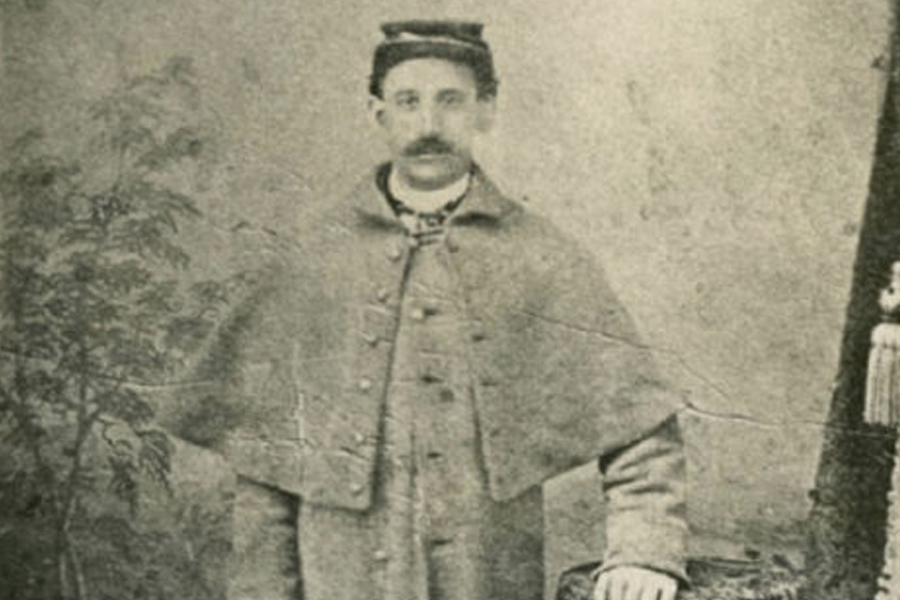
This transatlantic journey shaped Alfred in subtle ways. He carried the refined manners of someone who had known a wider world. Standing about five feet six inches tall with light skin and Franco-Haitian features, he stood out wherever he went. I often imagine him as a young man stepping onto American shores, carrying stories from Haiti that would one day echo in his son’s Pan-African vision.
By the 1850s Alfred had moved north. He found work as a waiter at the exclusive temperance Delavan Hotel in Albany, New York. This position in a high-end establishment suited his polished demeanor. Life seemed stable until the winds of war changed everything.
Military Service and a New Chapter in Massachusetts
The Civil War called many men to duty. Around 1861 to 1865 Alfred enlisted as a private. Records suggest service in a New York regiment or possibly with the 20th US Colored Troops, Company D. Some accounts place him briefly in Louisiana. Like thousands of others, he faced the chaos of conflict. His military chapter ended in desertion, a common occurrence amid the war’s hardships. No pensions or honors followed.
After the war Alfred arrived in Great Barrington, Massachusetts, around 1866. There he took up barbering. He partnered with his future brother-in-law James Burghardt and settled into the small community. This period marked the start of his most documented years in America, spanning roughly four years of family life.
Marriage to Mary Silvina and the Birth of a Son
Alfred Du Bois married Mary Silvina Burghardt in Housatonic, Great Barrington, on February 5, 1867. Their ages were around 34. Mary was from a long-standing Dutch-African free Black family. Her ancestors were local land owners and Revolutionary War veterans. Domestic servant, she was.
A child was born from their relationship. Their son William Edward Burghardt Du Bois was born in Great Barrington on February 23, 1868. In his birth certificate, Alfred was a San Domingo, Hayti barber. Briefly, the family lived together. Alfred’s refined style clashed with Mary’s traditionalist folks. They liked his fair skin and manners but thought him snobbish.
Disaster and isolation followed swiftly. Alfred left the family in 1870, when his son was two. He may have gone to Vermont or somewhere. No contact continued. Burghardt family and neighbors helped Mary Silvina raise their son alone. She died in 1885 after a stroke in the early 1880s. The family went broke after the defection. But it also connected young W. E. B. Du Bois to the Burghardt network that supported his early education.
Family Members and Extended Relationships
Alfred Du Bois’s personal relationships reveal a complex web. His marriage to Mary Silvina Du Bois lasted only a few years on paper but left a permanent mark. She passed away in 1885 at around age 54. Their son grew into the legendary scholar, activist, and NAACP co-founder W. E. B. Du Bois, who lived from 1868 until 1963.
I find the generational spread fascinating. Here is a clear overview of the key family connections:
| Relationship to Alfred Du Bois | Name | Birth and Death Years | Notable Details |
|---|---|---|---|
| Spouse | Mary Silvina Du Bois | circa 1831 to 1885 | Domestic worker, raised son alone |
| Son | W. E. B. Du Bois | 1868 to 1963 | Civil rights leader, author of The Souls of Black Folk |
| Granddaughter | Yolande Du Bois | 1900 to 1961 | Teacher, attended Fisk University |
| Grandson (step) | David Graham DuBois | 1925 to 2005 | Journalist and Pan-African activist |
| Grandson | Burghardt Du Bois | 1897 to 1899 | Died in infancy |
| Grandson | Burghardt Williams | Unknown | Named in family tradition |
| Great-granddaughter | Yolande Du Bois Williams | Died 2021 | Activist and family historian |
Alfred also had a father named Alexander Du Bois, born around 1803. Alexander traveled extensively and married Sarah Marsh Lewis. An unnamed Haitian mother gave birth to Alfred in Haiti. These Caribbean roots added layers to the family identity.
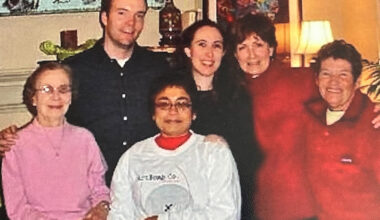
W. E. B. Du Bois later explored his paternal Haitian heritage. He met his grandfather Alexander once around 1883. This encounter helped shape his global perspective. Through W. E. B.’s children and grandchildren, Alfred’s line continued. His great-granddaughter Yolande Du Bois Williams became a keeper of family stories until her death at age 89 in 2021. The family tree stretches across more than 150 years from Alfred’s birth to living descendants today.
Career, Finances, and Daily Realities
All his life, Alfred Du Bois was working-class. His most esteemed position was Delavan Hotel server. Late Great Barrington barbering gave steady but modest revenue. He had little riches and no property. His erratic lifestyle after 1870 reflects financial problems.
Statistics tell part of the tale. Haiti, New York, and Massachusetts were his residences. He separated after three years of marriage. Alfred never saw his son’s stardom. Alfred was a worker whose biggest contribution was genetic and inspiring, not material.
Recent Interest and Lasting Mentions
Even in the 2020s Alfred Du Bois surfaces in discussions about his famous son. Social media posts on platforms like X often highlight his Haitian birth with surprise. Around W. E. B. Du Bois’s birthday each February 23 and during Black History Month, people share facts about the father from Haiti who served briefly in the Union Army. Veterans Day mentions sometimes note his military record at memorials.
These modern echoes keep his name alive in small but meaningful ways. Blogs focused on Haitian American history and family genealogy groups on Facebook occasionally explore his story in greater depth. Alfred remains a figure of curiosity rather than fame in his own right.
FAQ
Who exactly was Alfred Du Bois?
Alfred Du Bois was a Haitian-born man who immigrated to the United States. He worked as a waiter and barber, married in 1867, and fathered the famous civil rights leader W. E. B. Du Bois in 1868 before leaving the family around 1870.
When and where was Alfred Du Bois born?
He was born around 1833 in Haiti. His father later brought him to the United States as a child, probably between 1830 and 1838.
What happened to Alfred Du Bois after he left his family?
Records become sparse after 1870. He may have moved to Vermont or continued a wandering life. Possible death dates range from 1887 onward, though exact details remain unclear.
How did Alfred influence his son W. E. B. Du Bois?
Though absent after age two, Alfred provided the Haitian paternal lineage that W. E. B. later celebrated in his autobiographies. This heritage fed into the younger Du Bois’s Pan-African worldview and global activism.
Who were the main family members connected to Alfred Du Bois?
His wife was Mary Silvina Du Bois. Their only confirmed son was W. E. B. Du Bois. Grandchildren included Yolande Du Bois, David Graham DuBois, and Burghardt Du Bois. Great-grandchildren such as Yolande Du Bois Williams carried the line forward into the 21st century.
Did Alfred Du Bois have any notable career achievements?
No major professional triumphs exist in the records. He held ordinary jobs as a hotel waiter and town barber. His brief Civil War service ended in desertion. His primary historical importance lies in his role as father to a towering intellectual figure.
Why does Alfred Du Bois matter today?
His story reminds us that legendary lives often grow from ordinary and imperfect roots. Like a single seed that grows into a mighty oak, Alfred Du Bois planted the beginnings of a family legacy that changed American history and inspired movements worldwide.