Key Takeaways
- Cap America offers knit beanie directions for everyday promotions, cold-weather teams, events, schools, and outdoor programs.
- Buyers can choose ready-to-decorate knitwear or plan a custom project with integrated colors, patterns, and branding.
- Cuffed, fleece-lined, reflective, patterned, and recycled-material options can help align the product with a specific use case.
- The best beanie campaign balances comfort, visibility, decoration method, quantity, timing, and recipient preferences.
Custom-knit beanie sourcing can become complicated when an organization needs warmth, dependable decoration, useful quantities, and a style that recipients will actually wear. Cap America’s knit beanie collection gives promotional distributors, employers, schools, teams, event organizers, and community groups a practical starting point with in-stock knitwear and custom program options.
Rather than treating a beanie as a generic giveaway, Cap America helps buyers match the product to the audience and setting. That can mean a simple cuffed knit cap for employee recognition, a fleece-lined option for outdoor staff, a patterned style for fanwear, or a knit-in design for a larger brand program that needs a more distinct identity.
Why Are Branded Knit Beanies Useful for Teams, Events, and Promotions?
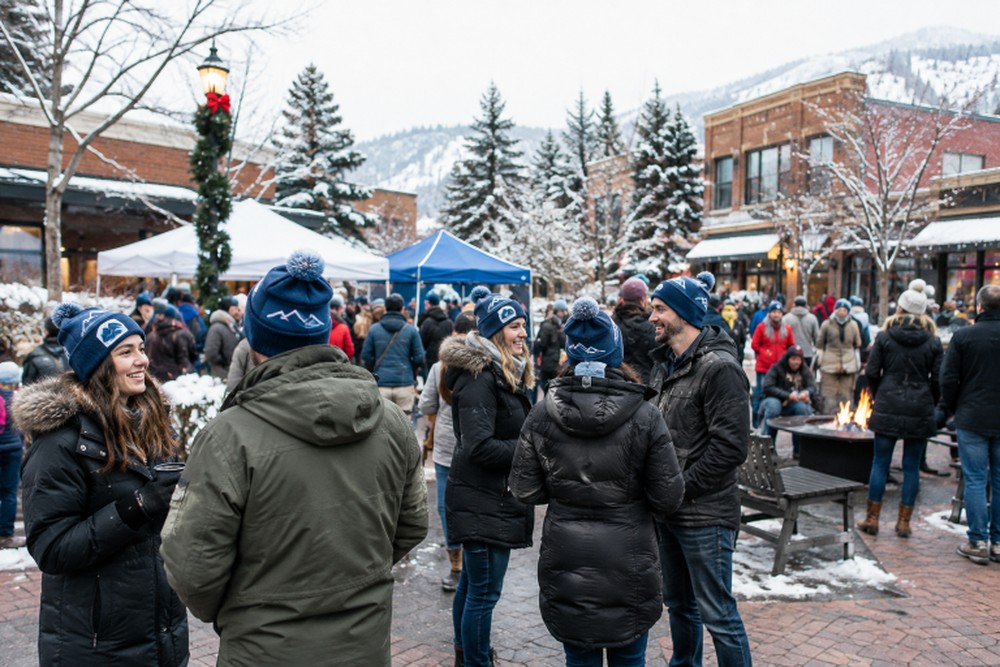
A beanie has value beyond its logo because it serves a clear purpose in colder weather. When recipients can wear an item while commuting, attending a game, working outdoors, or participating in a winter event, the branding is more likely to remain visible after the initial handout.
Usefulness matters in promotional merchandise. In 2026 promotional product research, 78% of U.S. consumers said they would keep a promotional item because it is useful. That makes knit beanies a sensible option for employee welcome kits, customer appreciation campaigns, school spirit programs, winter trade shows, team stores, and community events.
How Does Cap America Address Different Buyer Needs?
The right choice depends on what the buyer needs the beanie to do. Cap America provides several useful directions, each suited to a different type of program.
- Fast-moving promotions: In-stock knit styles can be a practical choice when the priority is selecting an available silhouette and adding a standard decoration treatment.
- Domestic sourcing priorities: USA-made knit options give buyers an avenue for programs where domestic manufacturing is an important consideration.
- Extra cold-weather comfort: Fleece-lined and heavier-ribbed styles are suitable for outdoor events, winter travel, stadium programs, and employee gifts.
- Visibility-oriented use: Reflective knit styles may fit evening events, outdoor recreation, and work-adjacent programs where added visibility is useful.
- Material-focused buying: Recycled-material knitwear can support campaigns with sustainability goals.
- Team identity: Stripes, plaid, camouflage, patriotic colorways, and knit-in patterns can create a more recognizable look than a basic solid-color cap.
Which Beanie Styles Fit Common Branding Goals?
Classic Knit Beanies
A classic beanie is often the simplest choice for a broad audience. Its uncomplicated shape can work for casual employee gifts, student programs, fanwear, and general event distribution. Minimal styles also leave room for subtle decoration, such as embroidery, a woven label, or a patch, without making the item difficult to wear with everyday clothing.
Cuffed Knit Caps
A cuffed knit cap is a strong option when the logo needs a more defined placement area. The cuff can make a company mark, school emblem, team name, or event identifier easier to position and see. This approach is especially useful when branding needs to be clear from a short distance but still restrained enough for repeat wear.
Fleece-Lined and Reflective Styles
Fleece-lined designs make sense when warmth is a leading priority. Reflective details can be appropriate for programs involving early-morning, evening, or outdoor activities. A reflective or warm beanie can support comfort and visibility, but it should not be represented as a replacement for required protective equipment, workplace controls, or a formal safety program.
How Should Organizations Choose Beanies for Cold-Weather Work?
For construction crews, facilities teams, delivery personnel, event staff, and outdoor sports programs, headwear should be selected as one part of a larger cold-weather plan. OSHA’s cold-weather preparedness guidance advises covering the head and ears, dressing appropriately for the conditions, staying dry, and monitoring for cold-stress symptoms.
Before selecting a branded beanie for work, confirm that it will not interfere with helmets, hearing protection, eye protection, or any other required gear. Consider wind, moisture, temperature, exposure time, and physical activity. A thicker style is not automatically the best answer if it prevents the wearer from using necessary equipment correctly.
What Customization Options Can Buyers Consider?
There is an important difference between decorating an existing beanie and creating a knit-in design. Decoration adds a logo or emblem to a finished product through methods such as embroidery or sewn-on patches. Knit-in customization incorporates colors, text, or graphic elements directly into the knit construction, giving the finished cap a more integrated appearance.
- Embroidery: A familiar choice for clean logos and traditional brand marks.
- Woven or molded patches: Useful for a badge-like look or a design with a distinct edge.
- Knit-in artwork: Appropriate for custom stripes, names, repeating graphics, and coordinated colorways.
- Pom details: A natural fit for fanwear, school spirit, and seasonal retail-inspired programs.
For textured knit surfaces, artwork should stay simple and readable. Strong contrast, limited colors, and bold shapes generally make branding easier to recognize than fine lines or small type.
How Should Buyers Compare Ready-Made and Custom Knit Programs?
In-stock knitwear is usually the better route for standard logo decoration, smaller seasonal campaigns, or programs that need an established style. Buyers can focus on available colors, materials, and decoration placement rather than developing every element of the product from scratch.
Custom-knit programs are better suited to planned volume orders that require distinctive colors, patterns, or integrated branding. Cap America lists a 288-piece minimum order quantity for custom knits in its Quick-Turn Custom program. Complete custom projects are most appropriate when the buyer wants greater control over construction, color combinations, and the overall visual concept.
What Should Buyers Check Before Ordering?
- Audience: Define whether recipients are employees, customers, students, athletes, fans, or attendees.
- Conditions: Account for temperature, wind, moisture, activity level, and time outdoors.
- Brand placement: Choose whether the logo belongs on a cuff, patch, embroidered area, or knit-in design.
- Quantity and timing: Compare stock availability with custom minimums, proofing, production, and delivery needs.
- Wearability: Select colors and branding that recipients will be comfortable wearing beyond the campaign.
Why Cap America Works Across Different Program Sizes
Cap America gives buyers a path from straightforward seasonal merchandise to more developed custom knitwear. A small program can begin with an in-stock beanie and a clean logo treatment. A larger initiative can move toward knit-in colors, patterns, pom details, and fully coordinated visual branding. That flexibility helps organizations make decisions based on their audience, budget, schedule, and desired level of distinction.
Conclusion
The strongest branded beanie campaigns start with recipient needs, not just unit cost. When the style is warm, comfortable, recognizable, and appropriate for the setting, it can become a practical piece of branded apparel that people continue to wear throughout the season.