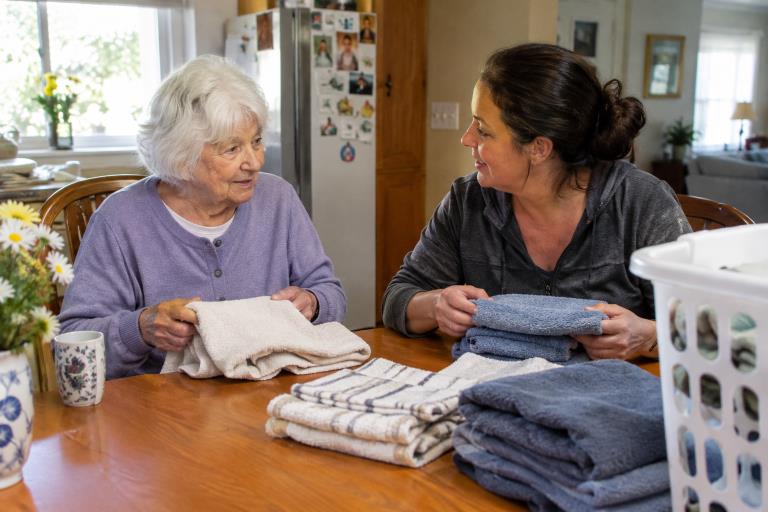
For older adults living with dementia, familiar daily patterns can make everyday life feel more manageable. In Visalia, California, where family visits, time outdoors, and quiet time at home or in a supportive community can all be part of a meaningful day, routine offers a dependable framework without taking away personal choice. Families exploring support through Quail Park Memory Care in Visalia may find that a thoughtful routine helps create calmer, more connected days.
A helpful schedule is not a rigid timetable. It is a familiar rhythm built around the person’s usual preferences, abilities, energy level, and comfort. Regular times for meals, personal care, activity, rest, and sleep can reduce the number of unfamiliar decisions that must be made during the day.
Why Routines Matter in Dementia Care
Dementia can affect memory, reasoning, communication, and the ability to complete familiar tasks. A predictable day can offer useful cues about what comes next, whether that means breakfast after getting dressed, a favorite program after lunch, or a quiet wind-down period before bed. It does not stop dementia or replace medical care, but it can support comfort and participation.
Caregivers can use a daily care plan shaped around a person’s strengths and best times of day to make activities more realistic and enjoyable. A routine also makes it easier to notice meaningful changes in appetite, sleep, mobility, mood, or interest in daily life.
What a Helpful Daily Routine Looks Like
The best routine feels familiar rather than clinical. It leaves enough time to move slowly, complete one task at a time, and rest between activities. In Visalia, a morning walk or time on a shaded patio may work well before warmer parts of the day, while music, conversation, or a simple indoor task can provide a comfortable afternoon alternative.
- Similar wake-up and bedtime times each day.
- Regular meals, snacks, and hydration reminders.
- Gentle movement suited to the person’s abilities.
- Quiet breaks between appointments or activities.
- Opportunities for familiar conversation and social contact.
- Choices that let the person remain involved in their day.
How to Build a Routine
- Begin with current habits. Consider when the person usually wakes, eats, rests, and feels most alert.
- Choose a few daily anchors. Meals, medication routines, personal care, and bedtime are practical places to start.
- Add one meaningful activity at a time. Avoid filling every hour with tasks or visits.
- Use short, clear directions. Offering one step at a time may be easier than giving several instructions at once.
- Observe the response. Keep activities that bring calm, confidence, or enjoyment, and reconsider those that consistently lead to distress.
- Adjust gradually. Small changes are often easier to manage than a completely new schedule.
Activities That Add Purpose and Comfort
Meaningful activity does not need to be complicated. The goal is participation and connection, not perfect results. Familiar objects, favorite music, and ordinary household tasks may help a person feel included and respected. The broad term dementia describes a range of conditions, so the right activity will vary from person to person.
- Folding towels, sorting cards, or arranging napkins.
- Preparing a simple snack with appropriate supervision.
- Looking through family photographs and sharing memories.
- Listening to familiar songs or watching a favorite program.
- Watering plants, sitting outdoors, or taking a short walk.
- Reading a short article, devotional, poem, or magazine passage.
- Working on an easy craft, puzzle, or art project.
Ways to Make Daily Routines Safer
Small environmental changes can make routine tasks easier to follow and reduce avoidable frustration. Keep frequently used items in consistent locations, provide good lighting in halls and bathrooms, and remove loose rugs or clutter from walking paths. Clear labels or pictures on drawers and doors may also be useful when they match the person’s needs.
Medication management, fall concerns, changes in walking, and new difficulty with cooking or bathing should be discussed with a qualified health professional. During very warm weather, families can plan outdoor time for cooler parts of the day and keep water readily available.
Why Flexibility Still Matters
A routine should guide the day, not control it. Pain, fatigue, illness, poor sleep, appointments, or a change in mood can make a usual activity harder on a particular day. If bathing, dressing, or an outing causes visible distress, pause and consider whether the task can be simplified, delayed, or replaced with a calmer option.
Many people do better with important tasks during their strongest time of day. Rest after a busy outing, a quieter afternoon following a medical appointment, or an indoor activity during uncomfortable weather can help preserve a sense of stability.
How Families Can Share Support
A written routine can help relatives and caregivers provide more consistent support. A shared calendar, notebook, or secure digital system can record meals, appointments, sleep patterns, mobility changes, and activities that went well. Family members can also agree on simple phrases and approaches, which may make transitions easier for the person receiving care.
Sharing responsibilities matters, too. One person might handle appointments, another might visit for a walk or a meal, and another might help with errands or provide respite. Including the older adult in everyday choices whenever possible supports dignity and preserves a sense of control.
Signs a Routine Needs to Change
Repeated difficulty with part of the day may signal that the routine no longer fits. Families should pay attention to new or worsening confusion, skipped meals, low fluid intake, frequent falls, major changes in sleep, withdrawal from favorite activities, or increased agitation at a particular time.
Sudden changes in behavior, alertness, appetite, mobility, or continence deserve prompt attention from a medical professional. A new health issue, discomfort, medication concern, or unmet need can sometimes appear as resistance or confusion.
Common Questions From Families
Should Every Day Follow the Same Schedule?
Consistency can be reassuring, but every day does not need to look identical. Leave room for appointments, visitors, changing energy levels, and rest.
What If a Person Refuses an Activity?
Pause rather than argue. Check for discomfort, hunger, fatigue, or confusion, then try a simpler request or return to the activity later.
Can a Routine Support Independence?
Yes. Familiar steps, clear choices, and well-organized spaces may help a person continue participating in daily tasks. Supervision remains important when safety is a concern.
When Should a Family Ask for More Help?
Additional support may be needed when wandering, missed medication, unsafe cooking, repeated falls, personal care needs, or caregiver exhaustion become difficult to manage at home.
Final Thoughts
A successful dementia routine is steady, personal, and flexible. In Visalia, simple moments such as sharing lunch, listening to a beloved song, spending time in the fresh air, or looking through photographs can create a sense of connection while giving the day a reassuring shape. The most helpful routine is one that supports safety, dignity, comfort, and meaningful participation.