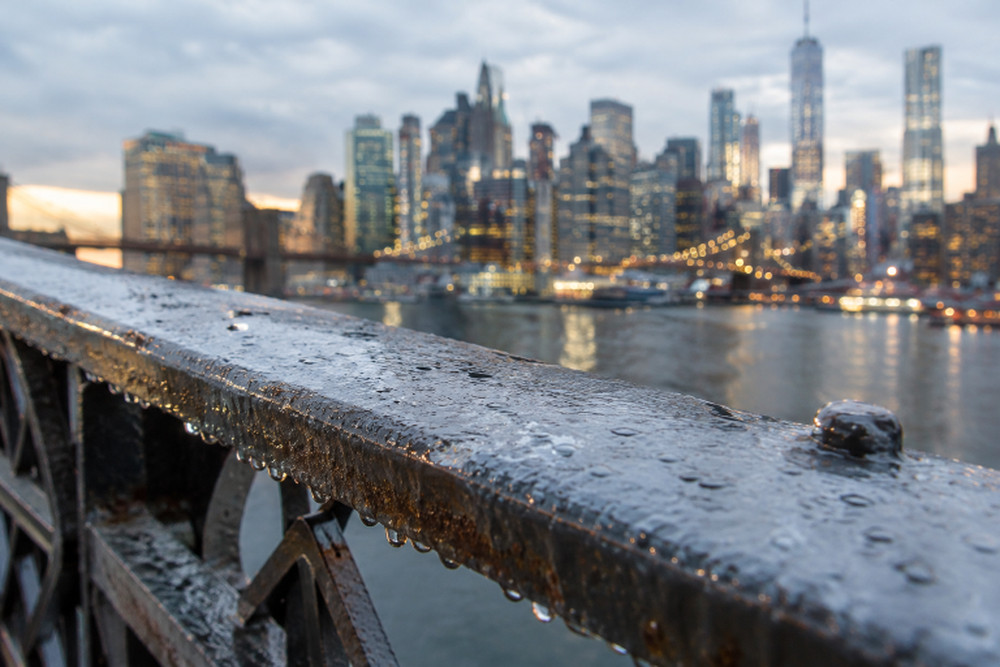
A great skyline day in New York City, New York, is less about chasing every famous viewpoint and more about choosing a few moments that fit together. Start with the kind of city scene you want, then build the rest of the day around it. Checking NYC events before you leave can also help you avoid an unexpectedly crowded area or find an activity that fits naturally into your route.
The city looks different from every borough, waterfront, bridge, rooftop, and observation deck. A relaxed plan gives you time to notice the details between the major views, including ferries on the river, changing light on glass towers, neighborhood streets, and the contrast between historic buildings and new construction.
Choose The View You Want
There is no single best skyline view for every visitor. Some travelers want a high, wide panorama of Manhattan. Others would rather see the city from ground level, framed by a bridge, a park, or the East River and Hudson River waterfronts. Choosing one main perspective early keeps the day focused.
- Pick an elevated viewpoint for a broad sense of the city’s scale.
- Choose a waterfront park for open skies, river traffic, and a fuller view of the skyline.
- Walk a bridge if architecture, movement, and changing angles matter most.
- Explore a neighborhood street if you prefer close-up building details and everyday city energy.
Pick The Right Time Of Day
Light and crowd levels can shape the entire experience. Morning is often a comfortable choice for visitors who want a quieter walk and softer light. Afternoon works well when pairing the skyline with lunch, shopping, or a museum visit. Sunset can be visually rewarding, but it requires patience and a little more flexibility. Evening brings illuminated towers, traffic, and a distinctly active New York atmosphere.
Whatever time you choose, arrive before the light you want. That extra margin lets you pass through security at ticketed attractions, find a place to stand, and enjoy the scene before reaching for a camera.
Build A Walkable Route
A skyline day feels better when stops are grouped by area instead of scattered across the five boroughs. Crossing town repeatedly can consume hours and leave little energy for the view itself. Build around one anchor stop, then add only nearby experiences.
- Choose one main observation point, bridge walk, or waterfront destination.
- Add one nearby outdoor stop where you can sit or stroll.
- Reserve a meal or coffee break within the same neighborhood.
- Leave unscheduled time for a park, a shop, a street scene, or an unexpected photo opportunity.
A Lower Manhattan route, for example, can combine downtown streets, public green space, river views, and a bridge without requiring a long cross-city transfer.
Compare Paid And Free Viewpoints
Ticketed observation spaces and free public viewpoints serve different purposes. A paid attraction may be a strong choice when elevation, amenities, or a guaranteed timed entry matters. Free parks, promenades, and bridge approaches can be better for visitors seeking a slower experience and a view of the skyline itself.
- Paid viewpoints can provide height, structured entry, and indoor shelter.
- Free viewpoints offer flexibility and make it easy to stay longer when conditions are good.
- Waterfront spaces can reveal the city’s full outline across the river.
- Public parks create useful breaks for families and anyone balancing a busy itinerary.
For many visitors, one paid experience is enough. Save the rest of the day for the views that appear naturally as you walk through the city.
Use The Waterfront For A New Angle
New York City’s shoreline gives the skyline room to breathe. Water creates distance between you and the buildings, which makes the shape of Lower Manhattan, Midtown, or the growing Brooklyn and Queens skylines easier to appreciate. On calmer days, reflections and boat traffic add visual interest without requiring a complicated plan.
When selecting a place to pause, use the city’s public park listings to identify green spaces near your route. Pairing a waterfront stop with a nearby neighborhood meal or ferry ride can turn a quick photo stop into a satisfying part of the day.
Check Weather And Visibility
For skyline plans, visibility matters as much as temperature. Haze can soften distant buildings, low clouds can hide upper floors, and strong wind can make exposed decks and waterfront paths less comfortable. Check conditions the night before and again before heading out, especially if your main stop is outdoors.
- Bring a light layer for breezy waterfront areas and elevated viewpoints.
- Carry compact rain protection when showers are possible.
- Keep an indoor attraction or café in the same neighborhood as a backup.
- Do not dismiss cloudy weather, since softer light can still make for appealing photos.
Plan Transportation With Care
Walking is often the best way to connect nearby skyline stops, but New York distances can be deceptive on a map. Use the subway or bus for longer neighborhood changes, and allow extra time if you are traveling during busy commuting periods. Before setting out, review service information for New York City transit so a planned transfer does not become an avoidable interruption.
Keep one alternate route in mind. A different station entrance, a short taxi ride, or a slower walk can be useful when sidewalks are crowded, weather changes, or someone in your group needs a break.
Use Simple Photo Techniques
You do not need specialized equipment to capture a memorable skyline. The most useful approach is variety. Take a wide image that shows the setting, then look for details that make the picture feel connected to New York City.
- Photograph one broad view to establish the full skyline.
- Capture a closer view of a building, bridge cable, ferry, or street-level detail.
- Use people, trees, railings, or boats to show scale.
- Return to the same view as the light changes, if your schedule allows.
Take the photo, then put the phone away for a few minutes. Some of the best parts of a skyline day are the sounds, weather, and movement that a picture cannot fully preserve.
Create A Backup Plan
Rain, fatigue, ticket delays, crowds, and low clouds can change a carefully designed itinerary. A backup plan should make the day easier, not add another packed list of obligations. Choose one indoor stop, one casual place to eat, and one free nearby space to regroup if plans shift.
Leaving open time is especially valuable for families and first-time visitors. It gives everyone permission to slow down without feeling that the day has gone off course.
Common Questions
How Many Skyline Stops Should A Visitor Plan?
One main viewpoint plus one or two nearby stops is usually enough for a full day. More stops can create extra transfers, longer lines, and a rushed experience.
Is Sunrise Or Sunset Better For Photos?
Sunrise can feel calmer, while sunset often offers warmer light and a transition into the city’s evening glow. Choose the time that best fits your energy level and schedule.
What Should Visitors Do On A Cloudy Day?
Shift attention to museums, markets, architecture, neighborhood walks, or indoor views. Clouds can still create mood and texture when breaks in the weather appear.
Final Thoughts
The best New York City skyline day is not the one with the longest checklist. It has a clear visual goal, a sensible route, room for changing conditions, and enough unplanned time to enjoy the streets between the major stops. Plan for the view, but leave space for the parks, food, river air, architecture, and small surprises that make New York memorable.