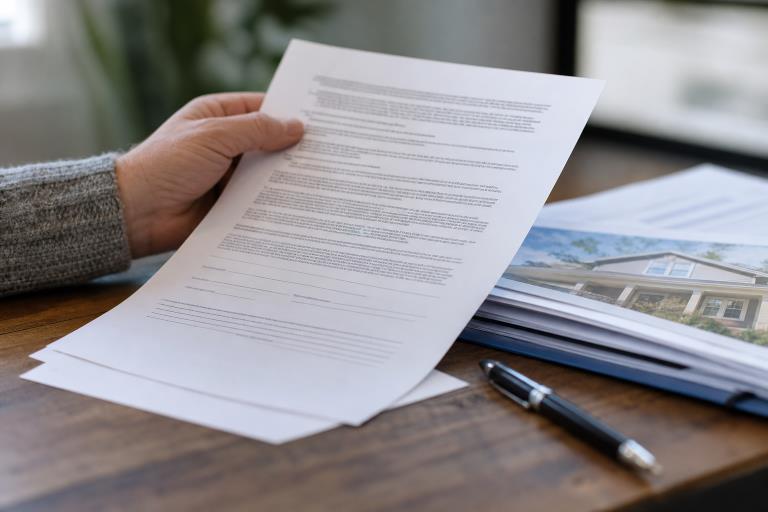
Selling quickly can be a practical goal for a homeowner facing a move, inherited property, financial pressure, divorce, or an older house that no longer fits their plans. The key is to move efficiently without skipping the steps that protect the seller. Homeowners exploring a direct-sale route can start by learning how companies that we buy homes in Somersworth, NH approach property condition, offers, and closing timelines.
Somersworth features a blend of established neighborhoods, older homes, and properties near Dover, Rochester, and the Seacoast area. This diversity means there isn’t a one-size-fits-all approach to quick sales. A well-kept home might be market-ready, while a property needing repairs, involved in an estate, or facing a deadline could require a straightforward as-is sale.
Why Somersworth Homeowners May Need To Sell Faster
A quicker sale is often about reducing uncertainty. An empty house still needs insurance, utilities, lawn care, snow removal, and regular monitoring. A seller may also be trying to avoid carrying two mortgages after relocating, divide assets during a family transition, settle an estate, or resolve a property that has become difficult to maintain.
Speed does not have to mean accepting vague terms or making a rushed decision. It means identifying the deadline, understanding the home’s condition, and choosing a sales path that aligns with the seller’s priorities. For owners seeking a straightforward local option, IPS Cash in New Hampshire may be one point of comparison alongside an agent-assisted listing or another qualified buyer.
What the Somersworth Market Means for a Fast Sale
Citywide housing data can be useful for setting expectations, but it cannot determine the value or timeline for a specific property. A home’s location, lot, age, layout, condition, recent updates, and buyer demand all affect how it may perform. Homes that are clean, priced realistically, and easy to show may attract more interest than homes that need major work, but every property should be evaluated on its own merits.
Before setting a target price or closing date, consider recent comparable sales, the amount owed on any mortgage, estimated closing costs, and the cost of holding the property for another month or season. Those numbers help determine whether a higher possible sale price is worth a longer and less certain process.
Compare the Main Ways To Sell Quickly
- Traditional listing: A real estate agent markets the home, coordinates showings, and seeks offers from buyers. This route may provide broader exposure, but it can involve preparation, showings, buyer financing, appraisals, and post-inspection negotiations.
- As-is listing: The house is offered in its present condition, with limited or no seller repairs. This can reduce upfront work, although buyers may still request inspections, credits, or a lower price because of the condition.
- Direct cash offer: A buyer makes an offer based on the current condition and an agreed-upon closing schedule. This may reduce the need for repairs, staging, and lender-related delays, but sellers should still review the buyer and contract carefully.
Price, speed, convenience, and certainty rarely peak at the same time. A seller who needs the highest possible price may choose a different path than a seller who values a predictable closing date and less preparation.
When Repairs Make Sense, and When They Do Not
Small repairs can make a meaningful difference when they address a visible or active problem. Fixing a leak, correcting a safety concern, replacing broken light fixtures, removing clutter, cleaning thoroughly, and addressing strong odors can improve a buyer’s first impression without turning the sale into a renovation project.
Major projects deserve more caution. A full kitchen remodel, extensive landscaping, or the replacement of a functioning system can consume time and money without guaranteeing a proportional increase in sale proceeds. Before approving work, ask four questions: What will it cost? How long will it take? Will it disrupt the sale? What is the realistic benefit of the expected offer?
Local Property Details To Review Early
Older Somersworth homes can require extra attention to heating equipment, roof age, basement moisture, drainage, electrical updates, driveway condition, and winter-related wear. Sellers should gather available service invoices, permits, warranties, fuel records, surveys, and prior inspection reports. Organized records can answer buyer questions faster and help prevent last-minute confusion.
New Hampshire requires written disclosures for certain information about one- to four-family residential property. The state’s written disclosure requirements address items such as private water supplies, private sewage systems, insulation, federally designated flood hazard zones, and residential heating-oil underground storage tanks. Selling as-is does not remove the need to provide the required information honestly.
Water, Septic, and Property Records
If the property has a private well or septic system, locate available records for testing, installation, pumping, repair, and service early. Sellers planning work involving an individual sewage disposal system should account for the fact that New Hampshire’s rules for individual sewage disposal systems may apply to approvals, design issues, and related property changes. When records are unavailable, disclose that fact in writing where required rather than guessing.
How To Review a Fast Offer
The highest number on an offer is not always the strongest result. A lower offer with verified funds, limited contingencies, and a firm closing date may be more dependable than a higher offer dependent on uncertain financing, a lengthy inspection period, or extensive repair requests.
- Purchase price and earnest money deposit
- Proof of funds or financing preapproval
- Inspection, appraisal, financing, or sale-of-home contingencies
- Requested repairs, credits, or personal property
- Closing date and possession date
- Responsibility for taxes, title charges, recording fees, and other costs
- The estimated amount the seller will receive at closing
Questions To Ask a Cash Buyer
- Can the buyer provide current written proof of funds?
- Who is named as the buyer in the purchase agreement?
- Does the contract allow assignment to another party?
- Are inspections or other contingencies included?
- Which closing costs will the buyer and seller pay?
- What happens if the buyer does not close on time?
- Will an independent title company or real estate attorney handle the closing?
Ways To Avoid a Rushed Transaction
Be cautious when someone pressures you to sign immediately, refuses to put promises in writing, cannot explain fees, or will not provide proof of funds. Read every page of the agreement, confirm whether the buyer can cancel, and ask for a clear estimate of net proceeds before agreeing to move forward.
Conclusion
A fast sale in Somersworth, NH, can still be a careful, well-documented one. Compare realistic options, collect property records, make thoughtful repair decisions, verify the buyer’s ability to close, and review the full agreement before signing. Those steps help protect the seller while keeping the transaction moving toward a timeline that works.