A clean, well-maintained bathroom is more than just a pleasant sight—it is a vital component of a healthy, efficient home. Because your bathroom handles high humidity, frequent water use, and daily wear and tear, it requires consistent care to stay in peak condition. Taking a proactive approach to maintenance prevents minor inconveniences from turning into expensive structural repairs or emergency plumbing calls.
By establishing a simple routine, you can preserve your bathroom’s sparkle and ensure all fixtures function seamlessly for years to come. Here are the essential bathroom maintenance tips every homeowner should know.
1. Tackle Hard Water and Soap Scum Early
One of the biggest challenges in maintaining a spotless bathroom is dealing with stubborn mineral deposits and soap scum. When hard water dries on glass doors, tile, and chrome fixtures, it leaves behind a chalky white residue that becomes increasingly difficult to remove over time.
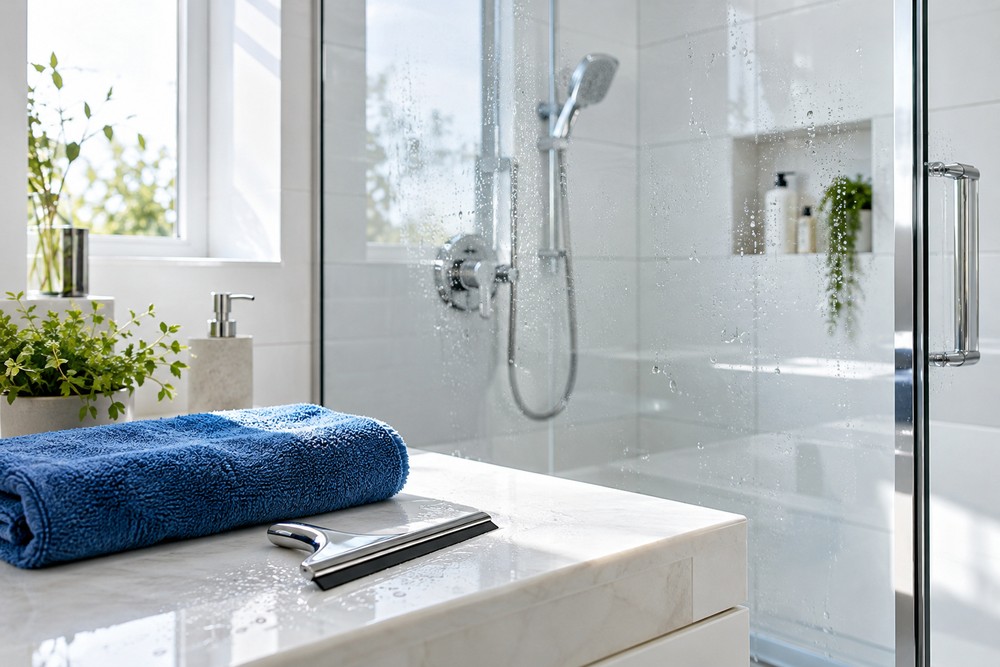
To combat this, get into the habit of using a squeegee on glass shower doors and tile walls after every shower. This simple 30-second task removes most of the standing water before minerals can settle. For residents dealing with high mineral content in tap water, installing a soft water system in Utah is one of the most effective long-term solutions, as it eliminates scale buildup at the source, extends the life of your plumbing, and makes weekly cleaning effortless.
2. Prioritize Ventilation to Stop Mold and Mildew
High humidity is the primary driver of mold, mildew, and peeling paint in the bathroom. Excess moisture creates an ideal environment for fungal growth, which can deteriorate drywall and harm indoor air quality.
Always run your bathroom exhaust fan during showers and leave it running for at least 15 to 20 minutes afterward to clear out trapped steam. If your bathroom lacks an exhaust fan, open a window slightly or use a portable dehumidifier to maintain airflow. Cleaning fan vents every few months to remove dust buildup will also ensure maximum ventilation efficiency.
3. Inspect and Refresh Caulking and Grout
Caulk and grout serve as your bathroom’s primary defense against water intrusion. Over time, caulk around sinks, tubs, and showers can crack, peel, or harbor mold, while tile grout can erode. When these barriers fail, water can seep behind tiles or beneath flooring, causing costly subfloor rot and structural damage.
Inspect caulked seams every six months. If you spot cracking or discoloration, strip away the old caulk with a putty knife, clean the surface thoroughly, and apply a fresh bead of mold-resistant silicone caulk. Sealing tile grout once a year will also repel moisture and keep grout lines looking brand new.
4. Maintain Drains and Prevent Clogs
Hair, soap residue, and grooming products can quickly accumulate in sink and shower drains, leading to slow drainage or unpleasant odors. Instead of waiting for a total blockage, take preventive action.
Use mesh drain strainers to catch hair and debris before they enter the pipes. Once a month, flush your drains with a mixture of hot water, baking soda, and vinegar to break down organic buildup naturally without resorting to harsh chemical cleaners that can corrode your plumbing.
5. Check for Hidden Leaks and Drips
Even a tiny faucet drip or silent toilet leak can waste hundreds of gallons of water each month and significantly increase your utility bills. Regularly check under vanity sinks for dampness, water stains, or warped cabinetry.
For toilets, test for silent flapper leaks by adding a few drops of food coloring into the toilet tank. If color appears in the bowl after 15 minutes without flushing, your flapper valve needs replacement. Addressing minor drips promptly keeps your fixtures operating efficiently and protects your home against water damage.
Create a Sustainable Maintenance Routine
Keeping your bathroom sparkling doesn’t require hours of intensive scrubbing every day. By incorporating small daily habits—like wiping down wet surfaces and ensuring proper airflow—with periodic monthly checks, you can maintain a pristine, serene environment while protecting your home’s long-term value.