Early Life and Unexpected Entry into History
I have long been drawn to the lesser told stories of powerful women in closed societies. Kim Song-ae stands out as one such figure. Born on December 29 1924 in Kangso guyok of South Pyongan Province she grew up under Japanese rule in what is now North Korea. She attended Kangso Middle School and later Pyongyang University of Education for Women. By 1948 at age 24 she took a clerical secretary post in the Ministry of National Defense. There she first crossed paths with Kim Il sung.
Life changed dramatically after the death of Kim Il sung’s first wife in September 1949. Kim Song-ae stepped in to manage his household. She cared for his children during the Korean War including risky evacuations to China. Those early years forged a bond that would reshape her destiny. Like a quiet river carving through rock her influence began subtly yet steadily.
Marriage to Kim Il sung and Rise as First Lady
War upheaval forged their 1952 union. No big ceremony was held. A secret affair produced three children. North Korea’s founder’s second wife was Kim Song ae. Public recognition was sluggish. Around 1958, officials discovered her. Only state media reported it in 1965.
First Lady from 1963 till 1974. Her transformation from household manager to national emblem is remarkable. She entertained international dignitaries’ wives. She joined Kim Il Sung’s 1975 tour to Algeria, Bulgaria, and beyond. Her presence gave the dictatorship an elegant look. She constructed something stronger beneath the surface.
Family Members: An Exhaustive Look at Kinship Ties
Family defined Kim Song ae’s world. Her relationships pulsed with ambition rivalry and quiet resilience. She married Kim Il sung who remained her spouse until his death in 1994. Together they raised three children while navigating tensions with his offspring from the first marriage.
Here is a clear table of her immediate family based on verified connections:
| Relation | Name | Key Details |
|---|---|---|
| Spouse | Kim Il sung | Married around 1952. North Korea’s founding leader. Died July 1994. |
| Daughter | Kim Kyong Jin | Born around 1951 to 1953. Lives abroad in Europe often Vienna area. Married to a diplomat. Has at least two sons. |
| Son | Kim Pyong Il | Born 1953 or 1954. Career diplomat in countries including Hungary Bulgaria Finland Poland Czech Republic. Married Kim Sun kum in 1982. Repatriated around 2019. |
| Son | Kim Yong Il | Born around 1955. Died 2000 from cirrhosis. Least documented child. |
| Grandson | Kim In kang | Born around 1981 via Kim Pyong Il. Studied at university in Poland. |
| Granddaughter | Kim Eun song | Born around 1983 via Kim Pyong Il. Also studied in Poland. |
| Additional Grandchildren | Via Kim Kyong Jin | At least two grandsons. Details remain sparse but tied to diplomatic circles. |
Kim Song ae promoted her son Kim Pyong Il as a potential successor. She drew support from her brothers and even Kim Il sung’s brother Kim Yong ju. Yet Kim Jong il the eldest son from the first marriage viewed her as a threat. He sidelined her network in the 1970s. I see their dynamic as a classic tale of stepfamily power plays where loyalty clashed with legacy. Her daughter in law Kim Sun kum strengthened ties to the Ministry of Public Security. Post 1994 her surviving children often lived in the European Union returning only periodically. Grandchildren like Kim In kang and Kim Eun song carried the line forward through education abroad in Poland.
These bonds were not mere footnotes. They fueled succession struggles that echoed for decades. Kim Song ae’s grandchildren via Kim Pyong Il attended top universities. This ensured the family’s global reach even as official history faded their names.
Career Milestones Achievements and Political Clout
Kim Song-ae’s career combined duty and determination. She was deputy chair of the Korean Democratic Women’s Union in 1965 and chair from 1969 or 1971 until 1976. She was a Workers Party Central Committee member from 1970 to 1998. She was a Supreme People’s Assembly deputy and Presidium member from 1972 to 1998.
She worked on women’s problems. Let Us Women Become Revolutionary Fighters (1969) and On the Women’s Emancipation Movement in Korea (1970) were her major works. She received the 1982 Order of Kim Il Sung and Mali, Burundi, and Romanian prizes. She performed domestic inspections at her peak. She gave public orders that sounded regal.
Statistics tell part of the tale. She reported at the 1971 Women’s Union Congress. She accompanied dozens of delegations. As the Great Chairwoman, she was influential in the early 1970s. But she lost the Women’s Union chair in 1976. The 1993 reinstatement was nominal. Her achievements infused women’s organizations with personality cults. Even with minimal power, revolutionary discourse boosted female roles.
All North Korean elites keep their finances secret. She received state-provided villas and inner-circle assistance. No independent riches. She had privileges until 1994, when everything changed.
Challenges Decline and Later Years
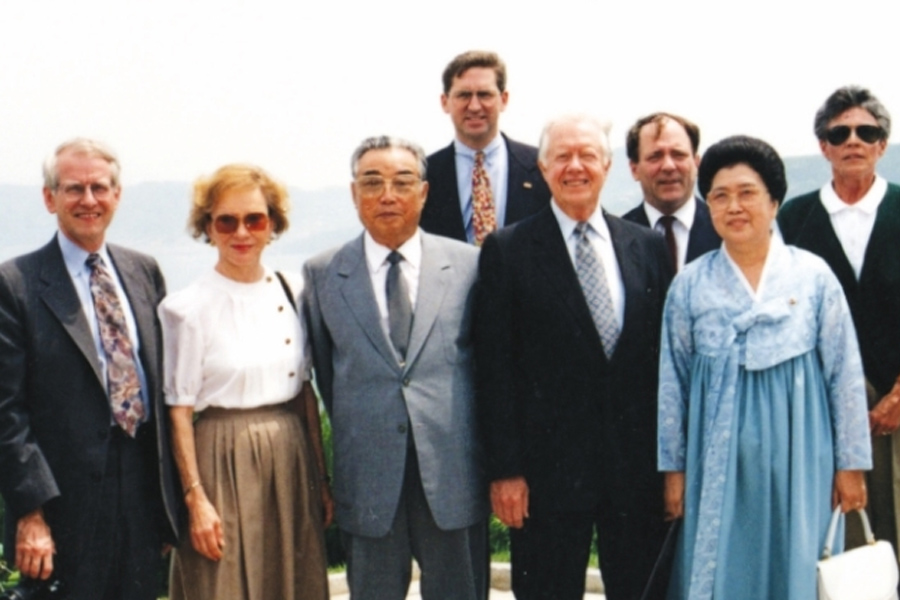
Kim Song ae last appeared publicly with Jimmy Carter in July 1994 after Kim Il sung died. A funeral ranking of 103–114 placed her low. At Chamo Mountain House near Pyongsong, house arrest followed. Her media presence evaporated. In the early 1990s, seclusion and illness rumors circulated. Son Kim Yong Il died in 2000. In September 2014, she died at 89 in Kanggye Chagang Province. South Korea confirmed on December 2018.
Her story resembles lost pillars. Once central, she became a ghost in official narratives. However, her family’s diplomatic posts and international lives retained connections. Kim Pyong Il was European ambassador till 2019. Her grandchildren studied outside Pyongyang. These moves maintained global influence.
Extended Timeline in Dates and Numbers
To capture her journey I compiled this timeline table with 15 key moments:
| Year | Event |
|---|---|
| 1924 | Birth on December 29 in South Pyongan Province. |
| 1948 | Starts work as clerical secretary age 24. |
| 1949 | Assumes household role after first wife’s death. |
| 1952 | Secret marriage forms around this time. |
| 1953 to 1955 | Births of three children. |
| 1958 | Introduced to officials as wife. |
| 1963 to 1974 | Serves as First Lady for 11 years. |
| 1965 | Appointed Women’s Union vice chair. |
| 1969 | Becomes full chair of Women’s Union. |
| 1970 | Elected to Workers Party Central Committee. |
| 1975 | Joins major international tour. |
| 1976 | Loses Women’s Union chair position. |
| 1982 | Receives Order of Kim Il sung. |
| 1994 | Last public appearance in June. Kim Il sung dies July. |
| 2014 | Death in September at age 89. |
This sequence spans 90 years. It shows a life of 11 years as First Lady 28 years on the Central Committee and over 30 years of nominal titles. Dates reveal the sharp drop after 1994.
FAQ
How many children did Kim Song ae have and what became of them?
Kim Song ae had three children with Kim Il sung. Daughter Kim Kyong Jin born around 1951 to 1953 lives abroad in Europe with diplomatic ties and at least two sons. Son Kim Pyong Il born 1953 or 1954 built a long diplomatic career across six European nations before repatriation around 2019. Son Kim Yong Il born around 1955 died in 2000 from illness. Each child navigated exile or elite status shaped by succession battles.
What political roles defined Kim Song ae’s career peak?
She chaired the Korean Democratic Women’s Union for roughly seven years starting 1969. She held Central Committee membership for 28 years from 1970. Supreme People’s Assembly roles lasted from 1972 to 1998. These positions let her author books deliver congress reports and guide women’s revolutionary efforts across North Korea.
Who were Kim Song ae’s key grandchildren and their paths?
Grandson Kim In kang born around 1981 studied in Poland. Granddaughter Kim Eun song born around 1983 followed the same educational route. Additional grandsons came through daughter Kim Kyong Jin. All maintained low profiles yet represented the family’s continued presence in Europe tying back to diplomatic roots.
Why did Kim Song ae’s influence fade after 1994?
Kim Il sung’s death in July 1994 triggered her removal. She ranked low at the funeral. House arrest at Chamo Mountain House followed. Media erased her name. Rivalries from the 1970s with Kim Jong il’s faction sealed the decline. By 1998 all positions ended.
Did Kim Song ae leave any lasting writings or awards?
Yes she published two major works in 1969 and 1970 on women’s emancipation. Awards included the Order of Kim Il sung in 1982 and honors from Mali Burundi and Romania. These marked her contributions even as history later minimized them.