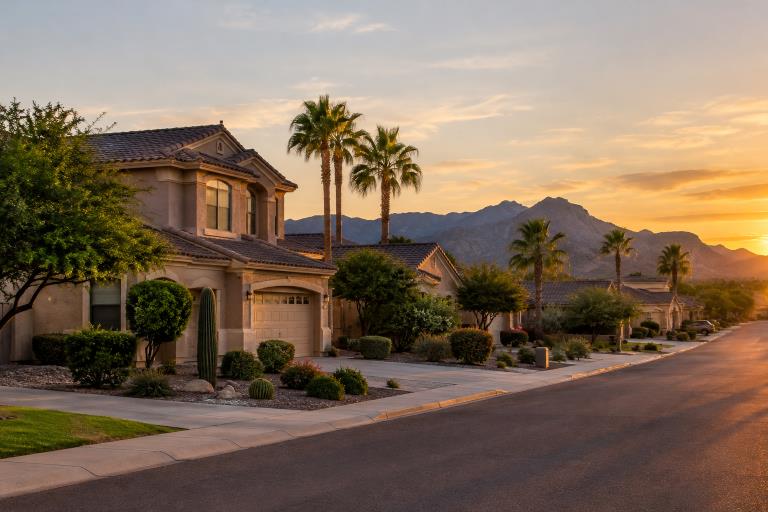
Selling a home in Gilbert can feel especially demanding when the property is inherited, vacant, dated, tenant-occupied, or in need of substantial repairs. Homeowners weighing a quick sale can review A2B Invest, a Gilbert-area cash home-buying option whose local page describes direct purchases for homes in varying conditions. The company says its founders handle transactions directly, are licensed Arizona real estate agents, and include a certified residential appraiser, giving sellers useful local valuation context when comparing a cash offer with a conventional sale.
There is no single best way to sell every Gilbert property. A well-maintained home near neighborhood amenities may benefit from broad market exposure, while a house with an aging roof, deferred maintenance, estate paperwork, or a tight deadline may call for a different approach. The right decision comes from comparing the likely net proceeds, timeline, effort, and risk of each route.
Why Selling a Gilbert Home Can Feel Complicated
Life events often create the pressure behind a sale. An inherited home may need to be cleared out while family members coordinate decisions. A vacant house can require ongoing utility service, insurance, landscaping, and routine checks. A rental property can add lease terms, deposits, tenant communication, and access concerns.
Gilbert’s desert climate adds another layer to the evaluation. Intense sun and heat can make buyers pay close attention to cooling systems, exterior paint, roofing, irrigation, pool equipment, and shade structures. A home does not have to be flawless to sell, but visible defects should be identified honestly and reflected in the pricing strategy.
For homeowners who want to compare direct-sale routes beyond one property type, the broader A2B Invest site outlines the company’s Arizona home-buying services and its focus on Phoenix-area transactions. Any seller should still request clear written terms and compare them with other available options.
Gilbert’s 2026 Market Calls for Careful Pricing
Broad Phoenix headlines are less useful than current Gilbert data and nearby comparable sales. Zillow reported a typical Gilbert home value of $565,459 as of September 30, 2026, with homes going pending in about 33 days. Its market page also reported 1,106 homes for sale, a median sale-to-list ratio of 0.987, and a median sale price of $578,000 in the most recently available periods. Reviewing Gilbert housing market data can provide a starting point, but it cannot replace an analysis of similar homes that have actually sold nearby.
A clean, updated property may appeal to more retail buyers than one needing a new HVAC system, roof repairs, flooring, or pool work. Still, setting an unrealistic asking price can create a longer marketing period and additional carrying costs. Consider the home’s location, lot, layout, school proximity, competing inventory, and actual condition before selecting a list price.
First Decision: Sell As-Is or Improve the Property?
When selling as-is may fit
- You need to reduce upfront work and prepare the home quickly.
- The property requires major repairs or has been vacant for an extended period.
- You prefer to let a buyer assess and budget for renovations.
When improvements may be worthwhile
- The home needs only light paint, cleaning, landscaping, or minor repairs.
- Comparable homes show that buyers in the area strongly favor move-in-ready condition.
- You have enough time and funds to complete work without creating financial strain.
Get written estimates for significant roofing, HVAC, plumbing, electrical, flooring, and landscape projects before committing. Safety and water-intrusion issues generally deserve priority over cosmetic upgrades. Avoid expensive renovations unless recent comparable sales support the likely return.
Two Main Selling Paths
Listing with a real estate agent
A conventional sale generally involves pricing, preparation, photography, marketing, showings, offer review, inspections, appraisal, title work, and closing. This route can create competition among buyers, but sellers should budget for possible commissions, repairs, concessions, cleaning, staging, utilities, insurance, and property upkeep while the home is marketed.
Before signing a listing agreement, ask what recent sales support the recommended price, which repairs are essential, how the home will compete with newer construction, and what the estimated net proceeds will be after all known expenses.
Selling directly to a cash buyer
A direct sale may reduce the need for showings, extensive cleaning, repairs, and lender-related delays. In exchange, the stated offer may be lower than the price a renovated home could potentially command on the open market. Verify the buyer’s identity, proof of funds, inspection rights, earnest-money terms, closing company, and the exact condition requirements in the contract.
How to Compare a Cash Offer With a Retail Sale
- Estimate the likely retail sale price using recent comparable sales.
- Subtract commissions, repairs, cleaning, staging, concessions, and closing charges.
- Add projected mortgage payments, taxes, insurance, utilities, and maintenance during the selling period.
- Calculate the direct-sale amount after any costs assigned to you.
- Compare the final figures alongside your deadline, workload, privacy needs, and risk of a buyer canceling.
The highest offer is not automatically the best result. A lower-risk transaction with a dependable closing date can be more valuable for a seller facing an estate deadline, relocation, or costly repairs.
Special Issues With Inherited Homes in Arizona
Heirs should first confirm who has legal authority to sign a sale contract and whether probate, a trust, an affidavit, or other title documents are needed. Identify every owner or person with a potential interest in the property, then gather records for taxes, insurance, utilities, repairs, mortgage balances, liens, and HOA charges.
Tax treatment depends on the facts of the estate and the sale. The IRS discusses inherited-home basis rules within its guidance for selling a home, including circumstances in which basis relates to fair market value at the decedent’s date of death. An Arizona estate attorney and qualified tax professional can address the details before heirs sign a contract.
Questions to Ask Before Accepting an Offer
- Is the offer contingent on financing, inspections, appraisal, or another home sale?
- Who pays title, escrow, recording, and other closing costs?
- Will the buyer purchase the property in its present condition?
- What is the proposed closing date, and can it meet your timeline?
- Has the buyer provided lender preapproval or proof of funds?
- What happens to the earnest money if the buyer cancels?
- Are liens, taxes, HOA balances, or code issues likely to require resolution?
A Seven-Day Planning Checklist
- Collect the deed, mortgage statement, tax records, insurance information, and HOA documents.
- Walk through the home and document urgent repairs, leaks, and safety concerns.
- Photograph each room, exterior area, and major defect.
- Request a comparative market analysis or current valuation.
- Obtain at least one estimate for large repair projects.
- Compare a traditional listing with direct-sale options using net proceeds.
- Seek legal, title, or tax guidance when ownership or estate issues are unclear.
Final Decision Framework
Choose a traditional listing when the home is in good condition, time is available, and maximum market exposure is the priority. Consider a direct sale when speed, convenience, privacy, or extensive repairs matter more than preparing the home for retail buyers. Pause for professional advice when an inheritance, shared ownership, liens, or unresolved title questions could affect the transaction.
Selling a Gilbert home is both a financial and personal decision. A clear review of condition, market competition, repair costs, taxes, timeline, and net proceeds can help prevent a rushed choice and support a sale plan that fits the property and the people involved.