A collision on a Philadelphia street, the Schuylkill Expressway, or a rural Pennsylvania road can leave everyone asking the same difficult question: who caused it? The answer is not always one-sided. A driver may have made a mistake, such as speeding, changing lanes too quickly, or looking away from traffic, while another driver also acted carelessly. A partial fault can affect compensation for medical treatment, vehicle repairs, lost income, and other losses connected to car crash injuries.
Being partly responsible does not automatically mean an injured person has no claim. Pennsylvania uses a comparative-negligence rule, but the percentage of fault assigned to each person can make a major difference. Knowing what to do after the crash can help preserve the facts needed to evaluate responsibility fairly.
How Partial Fault Works In Pennsylvania
Pennsylvania’s comparative-negligence law allows damages if an injured person’s negligence isn’t greater than the defendant’s, with damages reduced by the injured person’s share of fault. Someone found 51% or more at fault typically cannot recover damages. Fault isn’t based solely on traffic tickets or apologies; courts consider traffic laws, evidence, witness accounts, and other factors. Multiple parties can share responsibility in some crashes.
How Fault Percentages Can Affect A Claim
If damages total $100,000 and the driver is 20% responsible, recovery is $80,000. At 50% responsibility, recovery may be halved. At 51%, recovery is barred under Pennsylvania law. These examples are illustrative; claim value depends on injury severity, insurance, policy terms, lost earnings proof, and collision facts.
What To Do At The Crash Scene
Safety first: check injuries, call 911 if needed, and only move to safety when it’s safe. Philadelphia traffic is fast, so stay out of active lanes to avoid danger. Remain calm, exchange identification and insurance info, but keep it factual. Avoid guesses about speed, distances, injuries, or fault, as rushed comments can be misunderstood.
Information To Collect
- Names, phone numbers, driver’s license details, and insurance information.
- License plate numbers and descriptions of each vehicle.
- The crash location, time, weather, traffic conditions, and direction of travel.
- Witness names and contact information.
- The responding officer’s name and any report or incident number.
Evidence That Can Affect Fault
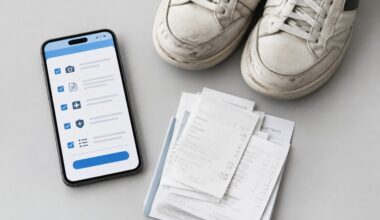
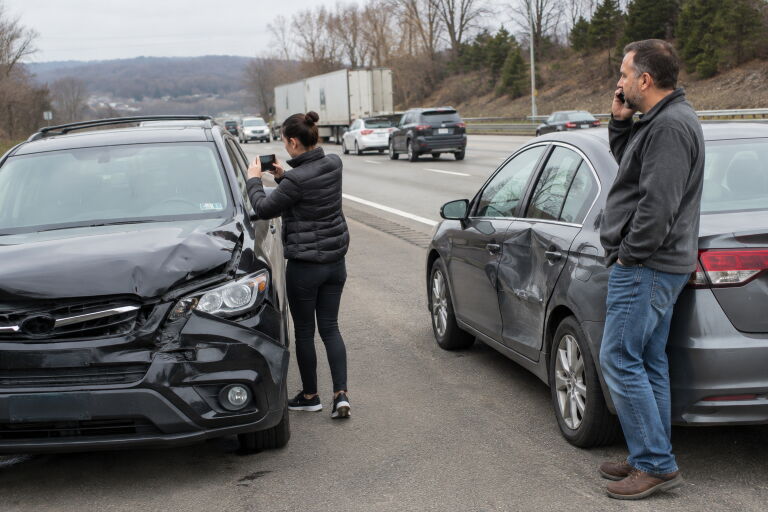
Shared-fault disputes are often decided by details. Take photographs, when safe, of the entire scene rather than only the damage to your vehicle. Include vehicle positions, traffic signals, stop signs, lane markings, skid marks, debris, road defects, nearby businesses, and visibility conditions. Save dash-camera footage before it is overwritten.
Write down your recollection soon after the crash. Include what you saw before impact, what the other vehicle did, and anything said by witnesses. If the Pennsylvania State Police investigated the collision, eligible people may request a copy of the vehicle crash report after it becomes available. Keep in mind that a report is one piece of evidence, not necessarily the final word on legal responsibility.
Insurance Issues After A Shared-Fault Crash
Notify your insurer promptly and provide truthful information. Before giving a recorded statement, review what the insurer is asking and answer only what you know. It is reasonable to say that you do not know the answer or that you need to review records rather than speculate.
Pennsylvania drivers may have different insurance coverages and tort options. Those choices can affect which benefits are available and whether certain injury-related damages may be pursued. An insurer may also evaluate whether another driver was uninsured, underinsured, working for a company, or operating a commercial vehicle.
Common Mistakes To Avoid
- Admitting responsibility before the circumstances are fully understood.
- Posting detailed crash or injury updates on social media.
- Deleting photos, messages, repair estimates, or medical paperwork.
- Accepting a settlement before the extent of an injury is reasonably clear.
- Ignoring deadlines or requests for information from your own insurer.
Medical Care And Documentation
Seek medical attention based on your symptoms and a medical professional’s advice. Some crash-related symptoms, including headaches, stiffness, dizziness, or back pain, may become more noticeable after the initial shock wears off. Prompt evaluation also creates a record of the concerns reported after the collision.
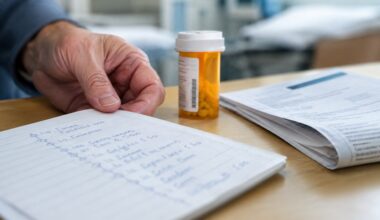
Keep copies of emergency room paperwork, visit summaries, prescriptions, therapy records, medical bills, work-restriction notes, and proof of lost income. These records may help link the losses to the crash and demonstrate the practical effects of the injuries.
Special Situations That Need Extra Care
Hit-And-Run Collisions
Call the police, preserve every detail you remember, and look for witnesses or nearby cameras. Do not try to pursue the fleeing vehicle.
Commercial-Vehicle Crashes
A delivery van, bus, rideshare vehicle, or tractor-trailer may involve business records, multiple insurance policies, and more than one potentially responsible party. Preserve evidence quickly.
Pedestrian And Bicycle Crashes
These collisions can involve serious injuries and complex questions about signals, crosswalks, lighting, roadway design, and driver attention. Medical care and scene documentation are especially important.
Common Questions About Partial Fault
Can I Still Make A Claim If I Received A Ticket?
Possibly. A citation may be relevant, but it does not automatically answer every question about civil fault or the value of a claim.
What If Both Drivers Say The Other Person Caused The Crash?
Fault may depend on available evidence, including photographs, video, witness statements, vehicle damage, and accounts from those involved.
Should I Apologize At The Scene?
Focus on safety and basic information exchange. Statements made while upset can be interpreted as admissions, even when they were intended only as concern for another person.
Final Thoughts
A partial fault can complicate a Pennsylvania accident claim, but it does not always prevent recovery. Protect your health, document the collision, preserve records, and communicate carefully with insurers. This article provides general information and is not a substitute for legal or medical advice about a specific accident.