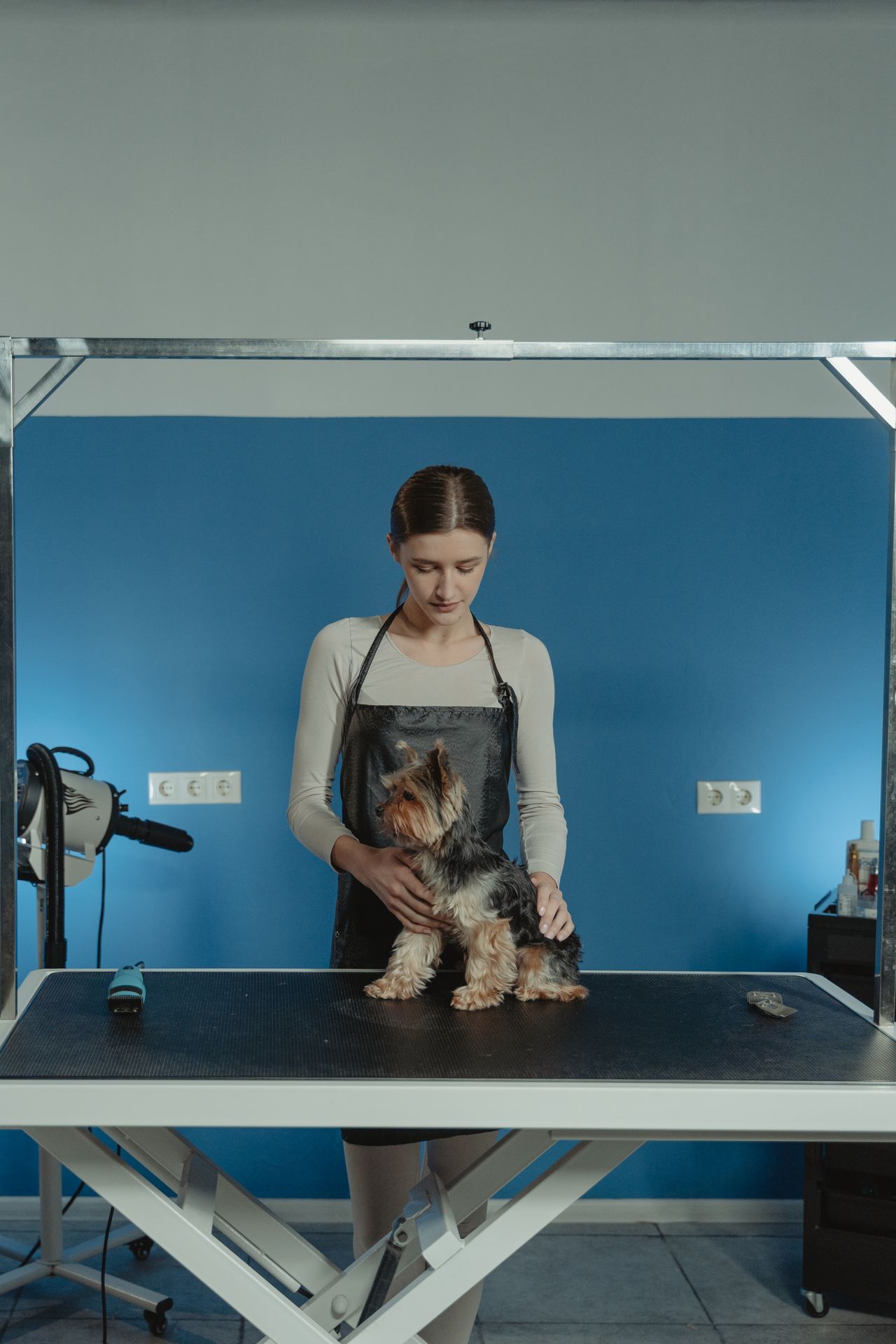
Understanding the pet grooming industry is essential before you launch your venture. Pet owners increasingly invest in professional grooming services, recognizing that proper coat and nail care directly impacts their animals’ health and comfort. The grooming business offers steady demand, flexible scheduling, and the satisfaction of working directly with animals and their owners. However, success requires careful planning, proper training, and a realistic understanding of the operational demands.
Understanding Market Demand and Customer Base
The pet grooming market serves a diverse clientele with varying needs and budgets. Dog owners represent the primary customer base, though cat grooming and specialty pet services are growing segments. Understanding your local market is essential before establishing your business, as demand varies significantly by region, neighborhood density, and pet ownership demographics. Rural areas may have fewer potential customers but less competition, while urban markets offer higher volume but more established competitors. Researching your specific area by visiting existing grooming facilities, surveying pet owners, and analyzing competitor pricing and service offerings helps you identify gaps in the market. This foundational research helps determine whether your business model is viable in your chosen location.
Training and Certification Requirements
Professional grooming skills require formal training and hands-on experience. Many successful groomers complete certification programs that typically last between six months and two years, depending on the program’s intensity and scope. These programs cover bathing techniques, breed-specific cuts, nail trimming, ear cleaning, and handling anxious or difficult animals safely. Beyond technical skills, certification demonstrates credibility to customers and can justify premium pricing for your services. You should research accredited grooming schools in your region and understand whether your state or local area requires specific licenses or certifications. Some groomers begin as apprentices at established facilities, where they gain practical experience while learning business operations firsthand.
Setting Up Your Physical Space
Your grooming facility requires specific equipment and layout considerations to operate safely and efficiently. You will need grooming tables, tubs, dryers, clipper sets, and proper ventilation systems that manage noise and moisture effectively. The workspace must accommodate separate areas for intake, washing, drying, and finishing to maintain hygiene standards throughout the day. Facilities should include secure spaces to hold animals before and after grooming, as well as comfortable waiting areas for customers. Your location should comply with local zoning regulations and health codes, which vary by municipality. Building or leasing the right space represents one of your largest initial investments, so careful planning and consultation with experienced groomers can help you avoid costly mistakes.
Developing Your Service Menu and Pricing Strategy
Creating a compelling service offering means balancing what customers want with what you can realistically provide. Most grooming businesses offer basic bath and dry services, full haircuts, and nail care, with premium options like specialty treatments or breed-specific styling. Your pricing should reflect your training level, overhead costs, and local market rates while remaining competitive. Researching competitor pricing prevents you from undercharging, which erodes profitability, or overcharging, which drives customers away. You might also develop package deals or loyalty programs to encourage repeat business. Many successful groomers differentiate themselves through specialized services, such as de-shedding treatments, hand-stripping for specific breeds, or pet spa packages with specialty shampoos.
Managing Staff and Growing Your Business
As your business grows, hiring and training additional groomers becomes necessary to meet demand. Quality staff directly impacts customer satisfaction and your reputation, so careful hiring and thorough training are essential at every stage of growth. You will need to establish standard operating procedures, grooming protocols, and customer service expectations that all team members follow consistently. Building a strong workplace culture helps with retention, which matters in an industry with relatively high turnover.
For entrepreneurs who want a proven framework when expanding or opening new locations, joining a pet grooming franchise gives operators access to established systems, brand recognition, and ongoing support. Woof Gang Bakery and Grooming is a recognized brand that provides franchisees with the tools and operational structure needed to grow confidently in competitive markets. Scheduling systems that balance staff availability with customer appointments require attention to detail and flexibility. Evaluating franchise options early allows you to compare the costs and benefits of independent operation against a supported business model.
Financial Planning and Legal Structure
Starting a pet grooming business requires understanding your startup costs, operational expenses, and revenue projections. Initial investments typically include equipment, facility setup, insurance, licensing, and working capital for your first months of operation. Choosing the right business structure for legal and tax purposes is a key decision, whether you operate as a sole proprietorship, LLC, or corporation. Pet grooming businesses must carry liability insurance to protect against injury claims from customers or their animals. Creating detailed financial projections helps you understand when your business will become profitable and what revenue targets you need to maintain. Consulting with an accountant familiar with service-based businesses can prevent costly mistakes and ensure compliance with tax obligations.
Conclusion
Starting a pet grooming business requires preparation across multiple areas including market research, training, physical setup, pricing strategy, staffing, and financial planning. Success depends not only on technical grooming skills but also on business acumen, customer service excellence, and the ability to manage operations effectively. By thoroughly understanding these key areas before launch, you position yourself to build a sustainable business that serves your community’s pet care needs while generating reliable income. The investment of time in planning and education upfront pays dividends through smoother operations and stronger financial performance once you open your doors.