When winter arrives, snow-dusted vistas and cozy evenings by the fireplace bring a festive charm to the season. However, severe freezes, heavy snowfall, and icy winds also present real hazards to your home, health, and family routines. Transitioning smoothly into sub-zero temperatures requires foresight, structured planning, and proactive home maintenance. By establishing a comprehensive winter readiness plan, you can protect your household from common seasonal risks and focus on enjoying the winter months with complete peace of mind.
Mastering Personal Warmth: The Three-Layer System
Keeping family members comfortable outdoors starts with a strategic approach to clothing. Relying on a single bulky jacket is rarely effective because it fails to regulate body temperature across fluctuating activity levels and environments. Implementing the proven three-layer clothing system ensures maximum heat retention and moisture control:
- Base Layer: A moisture-wicking synthetic or merino wool base layer pulls sweat away from the skin, preventing severe chills when moving between outdoor cold and heated indoor spaces. Avoid cotton, which retains moisture and rapidly drains body heat.
- Insulating Middle Layer: Fleece jackets, wool sweaters, or down vests trap warm air generated by the body to maintain a steady core temperature.
- Weatherproof Outer Layer: A durable, wind-resistant, and waterproof jacket guards against driving snow, sleet, and icy gusts.
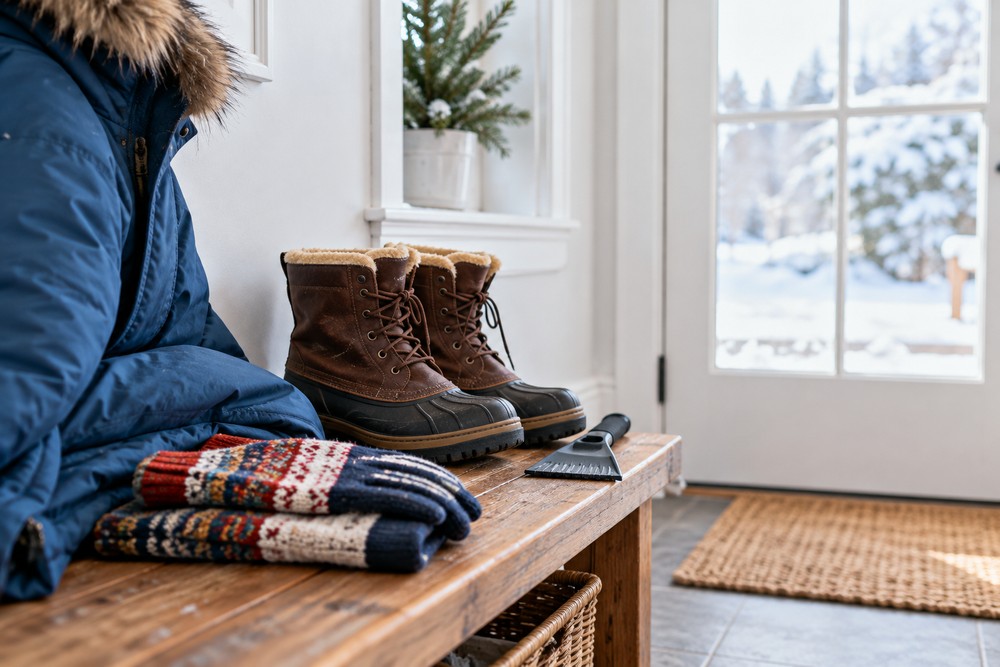
Do not overlook extremities where body heat escapes quickly. Equip everyone with fleece-lined hats, waterproof thermal gloves, thick wool socks, and insulated winter boots featuring deep rubber treads to prevent hazardous slips on icy walkways.
Regular maintenance helps ensure heating equipment operates smoothly when outdoor temperatures drop sharply. Homeowners who rely on regional specialists like Semper Fi Heating and Cooling can identify minor component wear or system inefficiencies before harsh weather sets in, supporting consistent warmth and lower energy usage throughout the winter season.
Fortifying Your Home Against Severe Sub-Zero Freezes
Your home is your family’s primary sanctuary during harsh winter weather. Preparing your living space before the first severe freeze prevents costly repairs, structural damage, and unexpected heating failures.
Start by auditing your home’s thermal envelope. Seal air leaks around drafty windows and exterior doors using fresh weatherstripping and caulk. Inspect attic insulation to ensure it retains warm air effectively. Schedule a professional inspection for your furnace or HVAC system early in autumn to verify safe and efficient operation before round-the-clock heating begins.
Regular system checks are essential for catching small mechanical issues before freezing temperatures arrive. If your heating unit begins making unusual sounds or struggles to heat your living space evenly, securing a reliable furnace repair service in Suffolk can resolve these underlying problems early, ensuring consistent indoor warmth and reducing the likelihood of unexpected heating failure during severe winter storms.
Seasonal weather shifts can put unexpected strain on home climate systems when least expected. While winter demands reliable heat, unexpected temperature spikes or sudden system failures during transitional months can make indoor spaces uncomfortable fast. Promptly arranging emergency ac repair ensures household temperatures remain stable and prevents minor mechanical problems from turning into costly system failures during extreme weather conditions.
Exterior plumbing requires immediate attention prior to freezing temperatures. Drain and disconnect outdoor hoses, shut off interior water supply lines to exterior spigots, and wrap vulnerable unheated pipes in thick foam insulation sleeves or heavy-duty heat tape.
Heavy snow accumulation on roofs and gutters poses another major threat. When escaping heat melts roof snow, meltwater flows toward cold eaves and refreezes, creating dangerous ice dams that force water back beneath shingles into ceiling structures. To prevent structural overloading and severe interior leaks, many homeowners living in heavy snowfall regions install specialized systems such as a snow melt system in Utah to maintain open drainage channels along vulnerable valleys and eaves.
Vehicle Readiness and Safe Travel Habits
Navigating icy roads during winter storms requires elevated caution, proper maintenance, and essential emergency supplies. Slippery conditions significantly increase braking distances and accident risks.
Equip your vehicle with dedicated winter tires to maintain traction on packed snow and black ice. Always keep your fuel tank at least half full to prevent fuel line freeze-ups and ensure you can run the vehicle heater if stranded. Before setting out, clear all snow and ice completely from windshields, side mirrors, headlights, and the roof to ensure optimal visibility and prevent flying ice hazards for other drivers.
Store a dedicated winter car emergency kit in your trunk containing:
- A compact snow shovel and ice scraper.
- Heavy wool blankets, extra gloves, and thermal socks.
- A high-lumen flashlight with extra batteries.
- Non-perishable energy snacks and bottled water.
- A bag of sand or cat litter to provide traction if stuck.
Household Emergency Preparedness and Health
Winter blizzards can bring unexpected power outages and travel disruptions. Keep a well-stocked home emergency kit accessible, including flashlights, charged portable power banks, a first-aid kit, and several days’ supply of non-perishable food and bottled water.
Finally, pay attention to indoor health. Dry winter air dehydrates the body quickly and irritates respiratory systems. Use indoor humidifiers to maintain comfortable humidity levels and encourage consistent water consumption for the entire family throughout the cold season.
By taking these proactive steps now, you convert winter preparation into a stress-free routine, ensuring your family stays warm, safe, and comfortable all season long.