Pool equipment seldom stops working without giving some indication that something has changed. A drip at the equipment pad, an unfamiliar sound, a pressure reading that looks different, or weaker return flow can signal a developing problem. For homeowners in Denver, Aurora, and nearby communities, quick attention can be especially valuable before a cold snap, a busy swim weekend, or seasonal closing.
Routine observation and professional support from Laguna Pools can help determine whether a symptom is due to a simple blockage, an air leak, normal wear, or a repair issue. The goal is not to diagnose each component in isolation. It is to recognize when the pool system is behaving differently and avoid letting a small concern become a larger interruption.
1. Why Warning Signs Matter
Your pump, filter, heater, plumbing, and controls work as one circulation system. When one part struggles, the effect can spread to water quality, heating performance, and equipment wear. Keep model and serial numbers accessible, especially for new or older equipment. For example, homeowners should review the 2026 CPSC recall for certain Hayward Universal-HC pool heaters if their equipment matches the affected model information.
2. Pump Problems To Watch For
The pool pump moves water through the filter, heater, and return lines. Grinding, screeching, rattling, humming without starting, repeated shutdowns, or breaker trips are all reasons to investigate. Other visible clues include water beneath the pump, air bubbles in the pump basket, poor skimmer suction, and weak flow from return jets.
One symptom can have several causes. Weak flow may result from a full skimmer basket, low water level, a dirty filter, a valve not in its normal position, or a pump-related issue. Avoid assuming the motor is at fault before checking the basics.
3. Filter Pressure And Water Flow
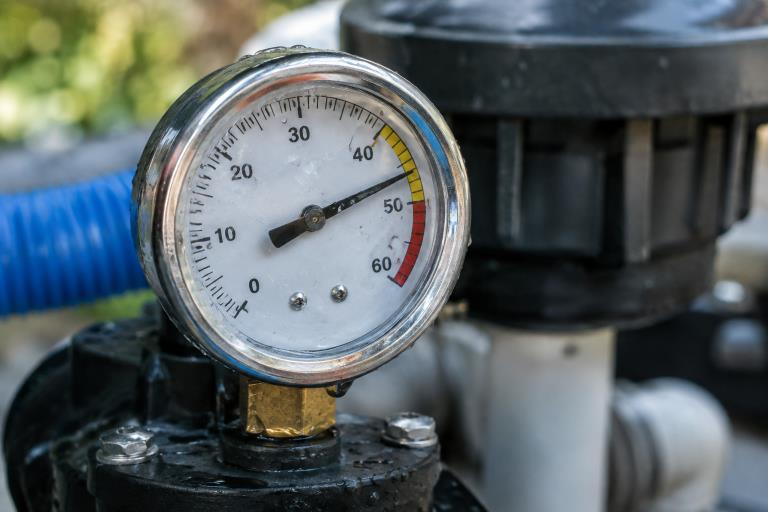
A filter pressure gauge is most useful when compared with your pool’s normal clean operating reading. Record that baseline after appropriate filter service. A noticeable rise can indicate that the filter needs attention or that water is restricted after the filter. An unusually low reading can point to reduced circulation, a suction-side air leak, or another flow problem.
Filter tanks are pressurized equipment. Never open a filter tank while the pump is running or while pressure remains in the system. If the gauge, clamp, tank, or fittings appear damaged, stop and arrange professional service.
4. Leaks And Unusual Water Loss
Standing water around equipment, damp soil near plumbing, cracked fittings, air entering the pump basket, or a fill system that runs frequently can suggest a leak. In the Denver metro area, dry conditions, wind, splashing, and evaporation can also lower a pool’s water level, so compare water loss under similar conditions before drawing conclusions.
The EPA notes that pools lose water through evaporation, cleaning, leaks, and splashing, and that pool covers can reduce evaporation while helping homeowners manage water use. A persistent loss of water, however, is still worth documenting and evaluating.
5. Heater Warning Signs
A heater may show trouble before it fails completely. Watch for slow heating, repeated start-and-stop cycles, recurring error codes, corrosion, soot, or an unexplained increase in energy use. Weak water flow can also affect heater operation, so circulation issues should not be ignored.
Shut off the heater and seek qualified help if you notice a gas odor, smoke, soot, damaged venting, unusual flame behavior, or a carbon monoxide concern. Do not remove gas components or attempt combustion-related repairs yourself.
6. Electrical And Automation Issues
Timers, control panels, lights, salt systems, sensors, and automated valves can develop faults that appear as unexpected schedule changes, lost connections, valves that do not move, or repeated error messages. Resetting a control may temporarily clear a message, but repeated resets can conceal an unresolved issue.
Because water and electricity are a dangerous combination, leave work on breakers, wiring, control boards, and electrical enclosures to qualified personnel.
7. Safe Checks Homeowners Can Make
- Look for water around the equipment pad.
- Listen for new noises during operation.
- Check the pool water level and empty accessible baskets.
- Read and record the filter pressure gauge.
- Confirm valves appear to be in their usual positions.
- Photograph error codes, leaks, labels, and gauge readings.
8. When To Stop The System
Do not wait for routine maintenance if there is an active leak near electrical equipment, smoke, a burning smell, exposed wiring, a strong gas odor, a cracked pressure vessel, repeated breaker trips, or equipment that becomes excessively hot. Shut the system down only if it is safe, keep swimmers away, and do not bypass safety switches.
9. Repair Or Replacement?
The right choice depends on equipment age, condition, available parts, repair cost, energy use, and the risk to nearby components. A seal, capacitor, sensor, valve, or connection may be repairable. A cracked tank, severe corrosion, or a motor that repeatedly fails may justify discussing replacement. Request a clear diagnosis so the decision reflects the whole system, not just the immediate symptom.
10. A Simple Seasonal Checklist
Spring
- Inspect for freeze damage, cracks, and leaks.
- Confirm normal pump startup, circulation, and pressure.
- Service the filter and test the heater and controls.
Summer
- Monitor water level, pump noise, and clarity.
- Inspect the equipment area after storms.
- Watch for changes in heating or energy use.
Fall And Winter
- Prepare plumbing and equipment before freezing weather arrives.
- Check exposed fittings, valves, and covers.
- Document repairs needed before the next swim season.
Conclusion
Pool equipment often provides useful warning signs through sounds, leaks, pressure changes, weak flow, heater behavior, and control faults. A careful visual check can help Denver-area homeowners act early, but gas, electrical, chemical, and pressurized equipment should always be serviced by appropriately trained professionals. When the same warning sign keeps returning, a professional diagnosis is safer than repeated resets or guesswork.