A roof can look fine from the street while its attic is in crisis. Shingles may be immaculate, gutters may behave, and the chimney may be revered. Above the ceiling, moist insulation is drooping like a pancake, frost is forming on nails, and warm air is crawling toward the roof as if it must go.
Minneapolis winters can turn a little attic fault into a major roofing issue, so this hidden war counts. Snow, cold air, internal humidity, and temperature variations test every roofing system part. The attic controls heat, moisture, and roof performance, not just holiday decorations and one weird box labeled “miscellaneous.”
The Attic Controls the Roofs Indoor Climate
A healthy attic maintains a careful balance between temperature and moisture. Insulation slows the movement of heat from the living space, while ventilation helps remove warm or damp air that makes its way upward. When those parts work together, the roof surface stays more consistent and the structure remains drier.
Trouble begins when the attic becomes a thermal traffic jam. Heat rises from kitchens, bathrooms, laundry areas, and heated rooms below. If air leaks through ceiling openings or ventilation is insufficient, that warmth collects beneath the roof deck. During a Minneapolis winter, the underside of the roof may be warm in one area and icy cold in another. That uneven condition can encourage condensation, uneven snow melt, and gradual deterioration of the roof materials.
Tiny Air Leaks Can Create Oversized Trouble
Air does not need a grand entrance. It can slip through a recessed light, an attic hatch, a plumbing opening, or a gap around a bathroom fan. These small openings may seem harmless, but together they can send a steady stream of warm indoor air into the attic.
Air can condense on a cold surface. Damp insulation, discolored wood, rusted fasteners, and repeated frost may ensue. It’s like freezing a warm cup of chocolate and finding the exterior wet. Although the attic may not provide obvious drama, the moisture cycle can compromise the roof assembly.
Minneapolis roofing inspections often uncover these hidden air pathways because they are difficult to spot from the yard. A roof can have excellent shingles and still suffer from problems caused by gaps beneath them.
Bathroom Fans Should Not Exhaust Into the Attic
One of the most troublesome attic mistakes is a bathroom fan that vents into the attic instead of outside. Every shower sends warm, humid air into the fan. If that air is released beneath the roof, the attic receives a personal steam treatment several times a day.
The moisture may collect on roof decking, insulation, or framing. During cold weather, it can freeze into frost and later melt when temperatures rise. Over time, this can create staining, mold growth, wood damage, and a very unpleasant attic smell.
A proper exhaust route sends humid air beyond the roof or through an exterior wall. The duct should also be correctly connected and insulated where necessary. Otherwise, the fan may be working hard while simply relocating the problem a few feet upward.
Roof Decking Often Shows Damage Before the Ceiling Does
Homeowners usually notice roof trouble when water appears on a ceiling. Unfortunately, the ceiling is often late to the party. The roof deck and framing may have been exposed to moisture for months before a visible stain forms indoors.
When moisture accumulates, roof decking can discolor, soften, or disintegrate. Nails might deteriorate and insulation can compact. Some damage is hidden behind shingles until a roofing expert inspects the attic or initiates repairs.
A Minneapolis roofing professional may inspect the underside of the roof for discoloration, water trails, soft spots, and evidence of repeated condensation. These clues can reveal whether a problem comes from an exterior leak, indoor humidity, ventilation failure, or a combination of several issues.
The Shape of Snow on the Roof Can Tell a Story
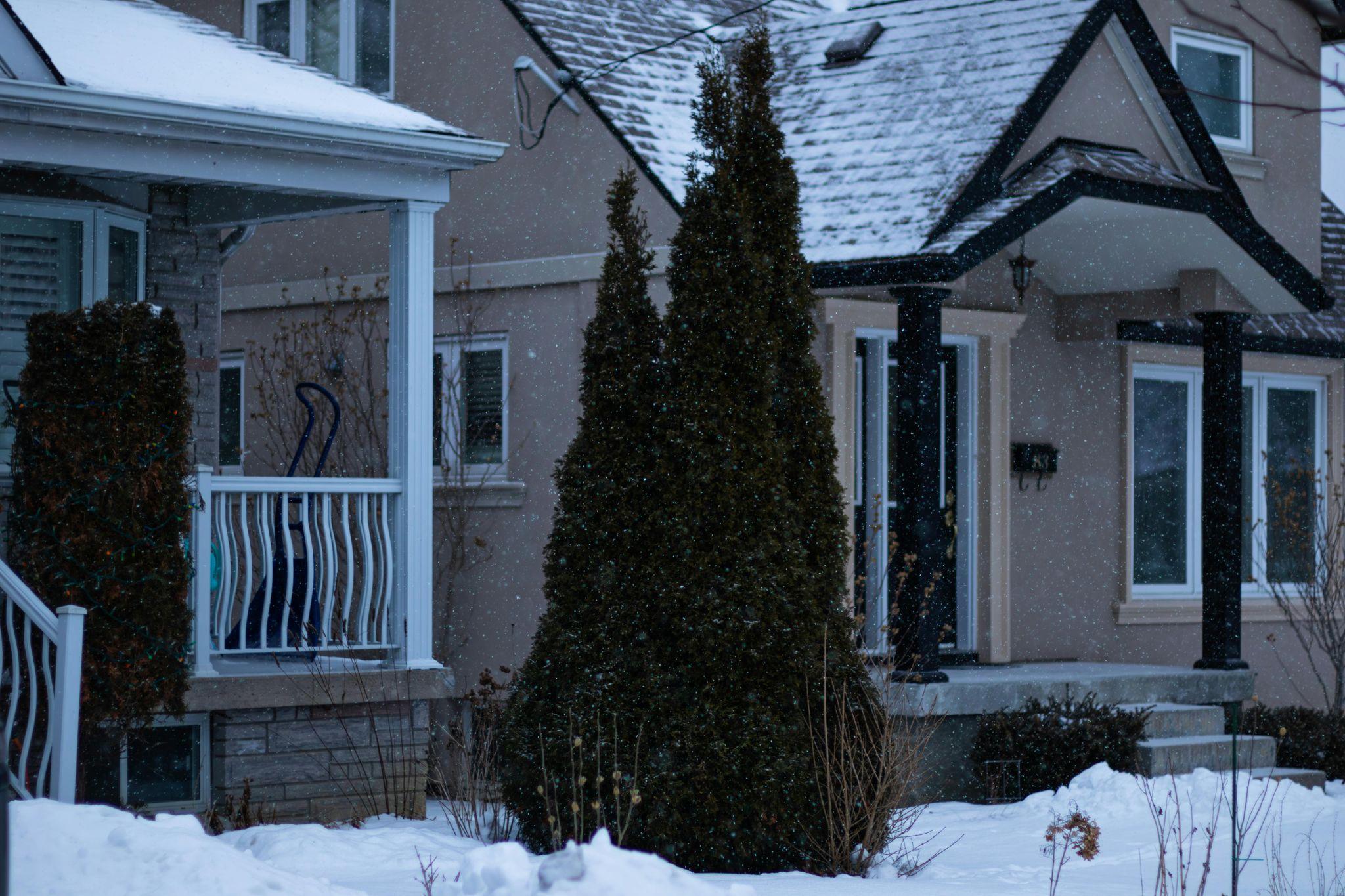
Snow does not always sit evenly across a roof. Some sections may remain covered while another area becomes bare. Uneven melting can indicate differences in attic temperature, insulation coverage, or air leakage.
For example, a warm patch above a poorly insulated ceiling may melt snow faster than the rest of the roof. The water can travel toward a colder edge and freeze there, forming an ice dam. A similar pattern may occur around an attic access panel, duct, chimney, or poorly sealed ceiling penetration.
Not all uneven snow patterns cause roofing problems. Sunlight, wind, and roof design also matter. However, unusual melting in the same region after multiple storms warrants observation. Ignoring a snowy roof message rarely works.
Insulation Must Be Even and Properly Placed
Insulation does more than make the home feel warmer. It helps prevent indoor heat from reaching the roof surface. If insulation is thin in one area, compressed in another, or pushed away from the edges, heat can escape unevenly.
This creates hot spots that affect snow melt and cold spots where condensation may form. Insulation can also block soffit vents if it is installed without proper ventilation channels. That creates a classic attic traffic jam, with air entering below but failing to move through the space.
Wet insulation presents another concern. Once insulation absorbs moisture, it loses much of its insulating ability and may remain damp for a long time. It can also contribute to musty odors and mold growth. A roofing inspection that includes the attic can identify these conditions before they spread through the roof structure.
Gutters Matter More Than They Appear To
Gutters are outside, yet their condition might affect attic issues. Clogged gutters may prevent melting snow and rainfall from draining off the roof. Water can pool near roof edges, seep beneath materials, or weigh gutters.
During winter, blocked drainage can contribute to ice buildup. When attic heat melts snow above, the water needs a clear path away from the roof. If the edge is already packed with ice or debris, water may back up beneath shingles.
This does not mean every gutter issue starts in the attic. It does mean roof health depends on several connected systems. The attic, shingles, flashing, gutters, insulation, and ventilation all participate in the same winter performance. When one component stumbles, the others may be forced to compensate.
Attic Odors Can Reveal More Than Old Cardboard
The scent of forgotten boxes is not the only cause of attic mustiness. Damp insulation, mold, wet wood, or insufficient airflow may cause it. Other smells may also hint. A strong, earthy smell or a stuffy, oppressive atmosphere may indicate humidity.
Homeowners may notice these odors near attic doors, upper floor closets, or ceiling fixtures. The source is not always directly above the area where the smell appears because air moves through wall cavities and ceiling openings.
A professional inspection can establish if the odor is from a roof leak, dampness, animal activity, or another attic issue. Despite the temptation to guess, attics are not ideal for detective work, especially when the evidence is damp and the floor may be unreliable.
Why Seasonal Inspections Are Especially Useful
A roof inspection before winter can identify weak areas while they are still accessible and repairable. After winter, an inspection can reveal damage caused by snow weight, ice buildup, thawing water, and prolonged moisture exposure.
The most useful inspection is not limited to visible shingles. It should consider attic air movement, insulation condition, roof decking, flashing, vents, and signs of moisture. The goal is to understand how the whole roof system behaves, not simply determine whether a shingle is missing.
For Minneapolis homeowners, this broader view can reveal why a roof keeps developing the same leak, why ice forms in one location every year, or why heating costs rise despite a seemingly intact roof.
FAQ
Can a roof leak begin in the attic without an obvious roof hole?
Yes. Moisture may come from condensation, indoor air leaks, poorly vented fans, or frost that melts inside the attic. Water can also travel along framing before reaching the ceiling, making the original entry point difficult to identify.
How can I tell whether attic moisture comes from a leak or condensation?
Patterns can provide clues. A concentrated water trail after rain may suggest an exterior leak, while widespread frost, damp insulation, or moisture on several roof surfaces may point toward condensation. A professional inspection is often needed because both problems can occur at the same time.
Does adding more insulation automatically solve attic problems?
Not always. More insulation can help control heat loss, but it may worsen ventilation if it blocks soffit openings. Air sealing, proper insulation placement, and adequate ventilation need to work together. Adding insulation without checking those conditions can give the attic a thicker blanket while leaving its feet out in the snow.
Why are ice dams connected to attic conditions?
Ice dams often form when heat escapes into the attic and warms portions of the roof. Snow melts higher up, then refreezes at colder edges. The resulting ice can trap water beneath roofing materials and contribute to interior leaks.
Should attic inspections be part of Minneapolis roofing maintenance?
Yes. Exterior roof checks can miss moisture, insulation, ventilation, and decking problems occurring beneath the roof surface. Including the attic provides a more complete picture of how the roofing system is handling cold weather and indoor humidity.