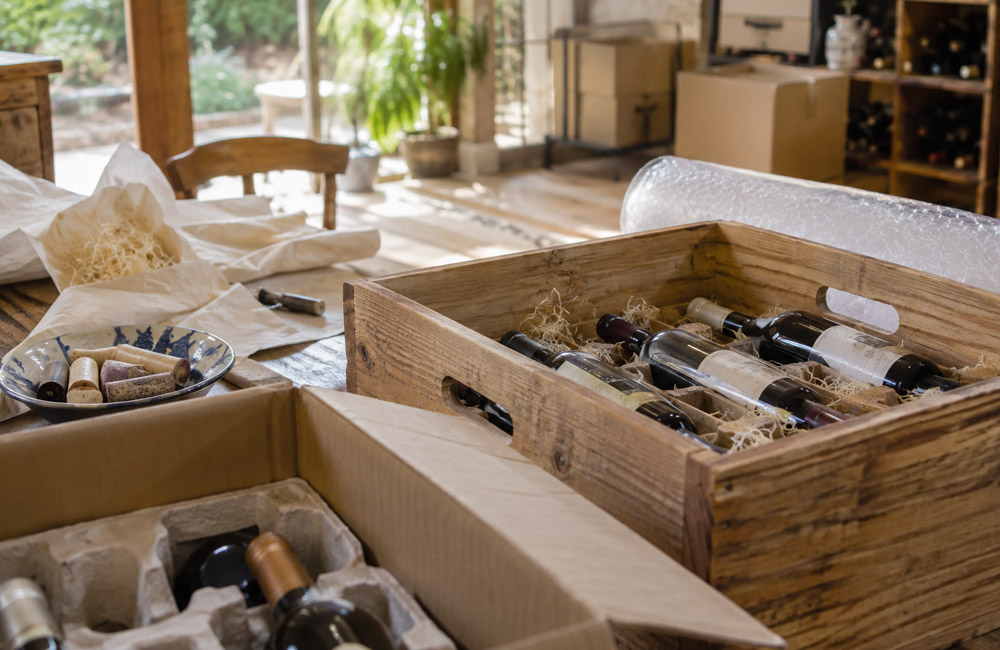
Moving a fine wine collection is vastly different from packing up furniture or kitchen appliances. Fine wine is a living, evolving investment that responds dramatically to environmental changes. A single afternoon spent in a warm moving truck or a few hours of aggressive road vibration can ruin decades of delicate aging.
Whether you hold a modest fifty-bottle collection of rare vintages or an extensive cellar valued in the hundreds of thousands of dollars, relocating your bottles requires surgical precision. Avoiding these five common mistakes will ensure your investment arrives safely and maintains its full flavor profile.
1. Exposing Bottles to Uncontrolled Temperature Spikes
Quick Answer: Temperature fluctuations above 70°F during transit cause wine to expand, pushing corks out of place, breaking bottle seals, and causing rapid oxidation.
Heat is the single greatest enemy of fine wine. When bottles are transported in standard freight trucks, vehicle trunks, or non-refrigerated trailers, interior temperatures can quickly climb past safe limits. When wine warms up, the liquid expands inside the bottle. This physical expansion puts extreme pressure on the cork, often forcing wine past the seal or pushing the cork partially out of the bottle neck.
Once the seal is compromised, oxygen rushes in, cooking the wine and ruining its aromatic complexity. To preserve your collection, always utilize climate-controlled wine transit set precisely between 53°F and 57°F with humidity levels maintained around 60% to 70%. Never transport valuable wine during peak summer months without active refrigeration.
2. Using Standard Household Moving Boxes
Quick Answer: Standard cardboard boxes lack the structural integrity, internal cushioning, and thermal insulation required to prevent bottle breakage and label scuffing.
Placing expensive wine bottles into regular cardboard boxes wrapped in basic bubble wrap is a recipe for disaster. Household moving boxes easily crush under weight, offer zero insulation against temperature shifts, and allow bottles to clink against one another on bumpy roads. Furthermore, friction between bottles can tear rare labels, drastically reducing the commercial resale value of collectible vintages.
Protecting your investment demands secure wine packing methods. Utilize heavy-duty, double-walled corrugated boxes fitted with custom molded styrofoam or compressed pulp inserts. These inserts isolate each bottle individually, holding them firmly in place while absorbing road shocks and adding a crucial layer of thermal insulation.
3. Ignoring Road Vibration and Opening Bottles Too Soon
Quick Answer: Constant road vibration disrupts organic chemical compounds and settled sediment in wine, causing a temporary loss of flavor known as “bottle shock.”
Even if temperature and packing are handled perfectly, the physical movement of transit shakes up the liquid. Vibration breaks down complex esters, disrupts delicate flavor compounds, and mixes fine sediment back into the wine. Opening a bottle immediately after a move usually results in flat, muted aromas and harsh tannins.
Understanding bottle shock prevention tactics is vital for any serious collector:
- Resting Period: Allow young, daily-drinker wines to rest quietly on their sides for at least two to three weeks after a move.
- Vintage Resting: Older, fragile vintages (15+ years) should rest undisturbed in a dark, climate-controlled space for two to three months before uncorking.
- Upright Orientation Before Opening: Stand older bottles upright for 48 hours prior to serving so suspended sediment settles cleanly back to the bottom.
4. Transporting Wine Standing Up Over Long Distances
Quick Answer: Transporting wine bottles vertically on multi-day trips dries out natural corks, letting oxygen seep in and spoil the vintage.
While it might seem easier to pack bottles upright in crates, doing so during extended transit places the cork at risk. Natural cork requires constant contact with the liquid inside the bottle to remain moist, pliable, and fully expanded against the glass neck.
If bottles remain standing upright for days during a cross-country move, the cork dries out, shrinks, and creates micro-gaps. Air enters the bottle, resulting in premature oxidation. Always transport bottles horizontally or upside down in specialized shippers to ensure the cork stays saturated throughout the journey.
5. Moving a Collection Before Your New Storage Space Is Ready
Quick Answer: Transporting wine directly into a new home before climate-control systems, cellars, or wine fridges are fully tested risks exposing bottles to ambient room heat.
One of the most frequent logistical oversights occurs when collectors move their wine before their new home’s climate infrastructure is ready. Unpacking wine into a garage, a warm spare room, or an untested cellar while waiting for contractors or HVAC hookups exposes your collection to severe environmental stress.
Instead of rushing your bottles into an unverified environment, stage your collection in a dedicated off-site facility during home transitions. Placing your collection in a specialized wine storage facility in Hayward keeps your vintages protected at a stable 55°F and 65% humidity while you settle into your new home or finish building your residential cellar. Staging your wine off-site eliminates deadline stress and guarantees uninterrupted environmental stability.
Myth vs. Fact: Moving Fine Wine
- Myth: Putting ice packs inside moving boxes keeps wine cool during a summer move.
- Fact: Ice packs melt quickly, creating high localized humidity, soaking cardboard boxes, destroying paper labels, and causing rapid temperature swings as they warm up.
- Myth: Professional household movers handle wine collections the same as fine glassware.
- Fact: Standard moving companies lack climate-controlled transport vehicles and specialized insurance coverage required for high-value fine wine collections.
Frequently Asked Questions
What is the ideal temperature for transporting wine?
Fine wine should be transported at a constant temperature between 53°F and 57°F (12°C to 14°C) with a relative humidity level of 60% to 70%.
Do I need specialized insurance when moving a wine collection?
Yes. Standard homeowner policies and general moving insurance rarely cover high-value wine collections, thermal damage, or bottle shock. Always secure a specialized fine art and wine transit policy before moving.
Relocating a fine wine collection requires far more than basic packing skills—it demands strict environmental control, specialized materials, and patient handling. By preventing temperature spikes, choosing professional pulp or styrofoam shippers, respecting the recovery time needed for bottle shock, and utilizing climate-controlled storage during transitions, you safeguard your liquid assets. Treating your collection with the care it deserves ensures every cork pulled in your new home yields the exact complexity and elegance the winemaker intended.