A heat pump can provide efficient heating and cooling through every season, but its performance can change as the system ages. Dirt, restricted airflow, poor maintenance, outdoor conditions, and worn components can all reduce efficiency. Understanding these factors helps homeowners protect comfort, control energy costs, and recognize problems before they become expensive. Whether you already own a heat pump or are considering one, working with qualified Lake in the Hills heat pump experts can help ensure the equipment is properly installed, maintained, and serviced. With the right care, a heat pump can continue delivering reliable, energy-efficient comfort for years.
Why Heat Pump Efficiency Changes Over Time
Heat pumps transfer heat rather than creating it, allowing them to provide both heating and cooling from one system. However, efficient operation depends on several components working together correctly.
As equipment operates throughout the year, normal wear can affect performance. Even a high-efficiency heat pump may consume more energy if airflow is restricted, components become dirty, or the system develops a mechanical problem.
Airflow Restrictions Can Reduce Efficiency
Good airflow is essential for heat pump performance. A clogged filter can make the system work harder while reducing the amount of conditioned air moving through the home.
Homeowners should check the filter regularly and replace it according to the manufacturer’s recommendations. Keeping supply and return vents unobstructed also helps maintain consistent airflow and temperature control.
Outdoor Unit Condition Matters
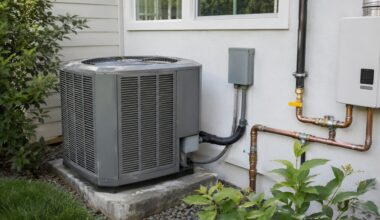
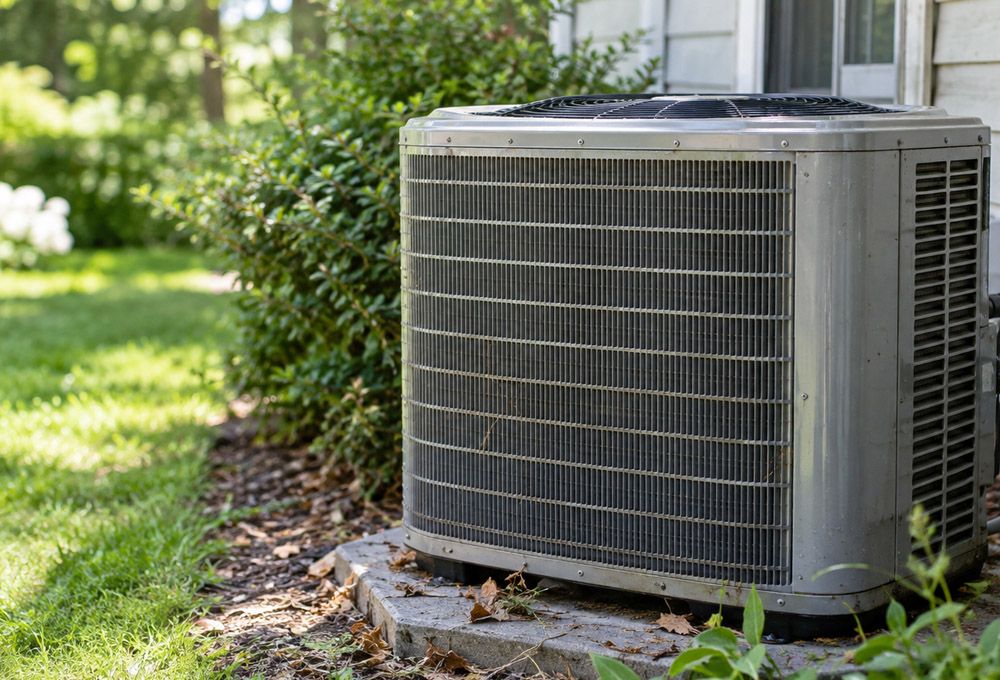
The outdoor unit is exposed to weather, dirt, leaves, and other debris. When the coil becomes dirty or airflow around the unit is restricted, the heat pump may struggle to transfer heat effectively.
Keep the area around the outdoor equipment clear and avoid placing objects directly against the unit. If the coil becomes heavily soiled or the system develops ice buildup, professional service may be necessary.
Maintaining proper cooling efficiency also requires routine attention to internal electrical components and motor performance. Property owners seeking consistent airflow throughout peak summer months often turn to established specialists like Samons Air Conditioning to inspect underlying mechanical parts. Timely adjustments help maintain overall system stability and prevent unnecessary energy loss.
Maintenance Plays a Major Role
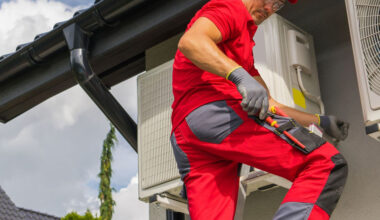
Routine maintenance can help identify small issues before they interfere with efficiency. Professional inspections can evaluate system operation, airflow, and components that may become worn over time.
Regular maintenance is particularly valuable because heat pumps typically operate in both heating and cooling modes. This means the equipment can see substantial use throughout the year.
Helpful maintenance habits include:
- Replacing or cleaning filters as recommended.
- Keeping outdoor areas around the unit clear.
- Watching for unusual sounds or reduced airflow.
- Scheduling professional tune-ups to keep the system operating properly.
Thermostat Settings and Home Conditions
A heat pump can also work harder when indoor temperature settings change frequently or when the home has significant air leaks. Poor insulation and drafts may allow conditioned air to escape, increasing the demand placed on the system.
Using consistent thermostat settings and improving the home’s insulation and sealing can support more stable comfort. Smart thermostats may also help homeowners manage temperature settings efficiently.
Regular assessments of indoor climate systems often reveal small adjustments that can significantly lower daily operating costs. Property owners interested in maintaining optimal performance throughout changing seasons can check it out to better understand how balanced airflow and routine checks support long-term equipment reliability.
Signs Your Heat Pump May Need Service
A noticeable increase in energy costs can sometimes indicate declining efficiency. Other warning signs include difficulty maintaining the desired temperature, unusual noises, short cycling, weak airflow, or ice forming on the outdoor unit.
These symptoms should not be ignored. A timely diagnostic visit can determine whether the problem involves airflow, a component, or another system issue. For older equipment that requires frequent repairs, replacement may eventually provide better long-term value.
Heating systems often experience additional mechanical strain during cold spells, especially if primary heating elements or furnaces begin to fail. Homeowners seeking guidance on addressing sudden heating failures can see details regarding professional furnace repairs to ensure reliable indoor temperature control before minor operational glitches turn into complete system breakdowns.
When unexpected mechanical issues arise during periods of extreme temperature, prompt professional evaluation helps prevent further component damage and restores indoor climate control quickly. Addressing cooling system failures right away minimizes household disruption and prevents minor electrical or refrigerant issues from worsening. Homeowners in need of emergency ac repair in Humble often rely on quick diagnostic responses to ensure their living spaces remain safe, comfortable, and properly ventilated.
How Professional Service Protects Efficiency
Professional heat pump service can address installation, maintenance, repairs, and replacement needs. Proper system selection and installation are especially important because an incorrectly sized system may struggle to deliver consistent comfort and efficiency.
Qualified Lake in the Hills heat pump experts can evaluate system performance, identify developing problems, and recommend practical solutions based on the equipment and home’s needs.
FAQs
How often should a heat pump receive professional maintenance?
A professional tune-up at least once a year can help identify developing problems and support reliable operation. More frequent attention may be appropriate for heavily used systems.
Can a dirty filter make a heat pump less efficient?
Yes. A clogged filter can restrict airflow, forcing the system to work harder and potentially reducing comfort and efficiency.
Why is my heat pump making unusual noises?
Unusual sounds can indicate a mechanical or airflow problem. Persistent noises should be inspected rather than ignored, especially if performance has also declined.
Does an older heat pump automatically need replacement?
Not necessarily. Age alone does not determine whether replacement is needed. However, frequent repairs, declining performance, or an older system may make replacement worth considering.
What is the best way to maintain heat pump efficiency?
Keep filters clean, maintain clear airflow around the outdoor unit, use sensible thermostat settings, and schedule professional maintenance to catch problems early.
Final Considerations
Heat pump efficiency is not determined solely by the equipment’s original performance rating. Over time, airflow restrictions, outdoor debris, wear, maintenance needs, thermostat habits, and home conditions can all affect how efficiently the system operates. Paying attention to warning signs such as rising energy bills, unusual sounds, weak airflow, short cycling, or temperature problems can help homeowners respond before minor issues become major repairs. Consistent maintenance and proper professional service are equally important for protecting long-term performance. When installation, maintenance, or repairs are needed, Lake in the Hills heat pump experts can help evaluate the system and recommend an appropriate solution. With regular care and timely attention, homeowners can support dependable heating and cooling while getting more value from their heat pump investment.