Heating, cooling, and plumbing systems are essential for keeping a home comfortable and functional. However, these systems often receive little attention until something stops working. A leaking pipe, malfunctioning furnace, or failing air conditioner can cause unexpected expenses and disrupt daily routines. Regular maintenance helps homeowners identify developing problems before they require major repairs.
Homeowners who schedule HVAC and plumbing services in Verdi, NV can take a proactive approach to protecting their properties. Routine inspections, cleaning, and equipment servicing help maintain reliable performance while reducing the likelihood of unexpected breakdowns. Understanding which maintenance tasks matter most can make homeownership more manageable.
Why Preventive HVAC and Plumbing Maintenance Matters
Preventive maintenance focuses on identifying wear, damage, and performance problems before equipment fails. Heating and cooling systems contain electrical components, motors, filters, and other parts that require periodic attention. Plumbing systems also experience gradual deterioration through corrosion, mineral buildup, and everyday use.
Professional HVAC and plumbing services in Verdi, NV can help homeowners address these concerns through scheduled inspections and appropriate repairs. Although maintenance cannot prevent every failure, it can reveal warning signs early. Addressing small problems promptly may prevent extensive damage and unnecessary replacement expenses.
Regular evaluations also give property owners a clearer timeline for replacing aging heating and cooling units. Working with established regional contractors like Sarkinen Heating and Cooling helps maintain home comfort through properly timed system tune-ups and diagnostic checks. Consistent professional oversight helps ensure equipment functions smoothly throughout changing seasons while avoiding sudden performance drops.
Prevents Unexpected Heating and Cooling Breakdowns
HVAC equipment works throughout the year to maintain comfortable indoor temperatures. Dirty filters, restricted airflow, worn components, and neglected maintenance can reduce system performance. Over time, these issues may contribute to overheating, increased energy consumption, or unexpected equipment shutdowns.
Regular servicing allows technicians to inspect electrical connections, clean appropriate components, and check operating conditions. Homeowners should also replace air filters according to manufacturer recommendations and keep vents unobstructed. These simple measures support consistent airflow and help reduce unnecessary strain on heating and cooling equipment.
Maintaining heat output during severe cold snaps relies on clean filters and well-adjusted heating components. When system performance drops unexpectedly, seeking furnace repair services provided by Hancock Refrigeration Heating & Air Conditioning helps restore consistent warmth and prevents further mechanical strain. Timely intervention ensures essential heating parts operate safely throughout the winter season.
These simple measures support consistent airflow and help reduce unnecessary strain on heating and cooling equipment.
Identifies Plumbing Leaks Before They Cause Damage
Small plumbing leaks can develop around pipe connections, faucets, toilets, and water heaters. Although minor leaks may initially appear harmless, prolonged moisture exposure can damage flooring, cabinets, drywall, and surrounding materials. Hidden leaks may remain unnoticed until visible damage appears.
Routine plumbing inspections help identify dripping fixtures, deteriorating connections, and unusual moisture accumulation. Homeowners should monitor water bills, inspect accessible pipes, and investigate unexplained damp areas. Prompt repairs can limit water damage and reduce the likelihood of more extensive restoration work.
Improves Energy and Water Efficiency
Poorly maintained heating and cooling systems may consume more energy than necessary. Restricted airflow, dirty coils, and incorrect thermostat settings can affect efficiency. Similarly, dripping faucets, running toilets, and leaking pipes waste water and may increase utility expenses.
Maintaining equipment according to manufacturer guidance helps support efficient operation. Homeowners can also check thermostat schedules, repair plumbing leaks, and monitor water consumption. While actual savings vary depending on equipment condition and household usage, reducing avoidable waste can help control ongoing expenses.
Extends the Useful Life of Home Equipment
HVAC systems, water heaters, and plumbing fixtures experience normal wear during operation. Without appropriate maintenance, developing problems may place additional stress on components. For example, restricted furnace airflow can contribute to overheating, while sediment accumulation may affect certain water heaters.
Regular inspections and timely servicing can help equipment operate within its intended conditions. However, maintenance does not eliminate normal aging or guarantee a specific lifespan. Homeowners should consider equipment age, repair history, and overall condition when deciding whether continued repairs or replacement offers better value.
Reduces the Risk of Emergency Repairs
Emergency HVAC and plumbing failures can create significant inconvenience. A heating breakdown during cold weather or a burst pipe can require immediate professional attention. These situations may also involve additional expenses when urgent repairs, temporary arrangements, or property restoration become necessary.
Preventive maintenance helps identify certain risks before they develop into emergencies. Homeowners should pay attention to unusual equipment noises, inconsistent temperatures, slow drains, and changes in water pressure. Early investigation provides an opportunity to address problems before they become more disruptive.
Essential Maintenance Tasks for Homeowners
Some routine maintenance activities can be completed without specialized tools. Others require qualified technicians because they involve electrical equipment, combustion systems, refrigerants, or pressurized plumbing components. Understanding this distinction helps homeowners maintain their properties safely.
Useful maintenance practices include:
- Replace HVAC filters as recommended.
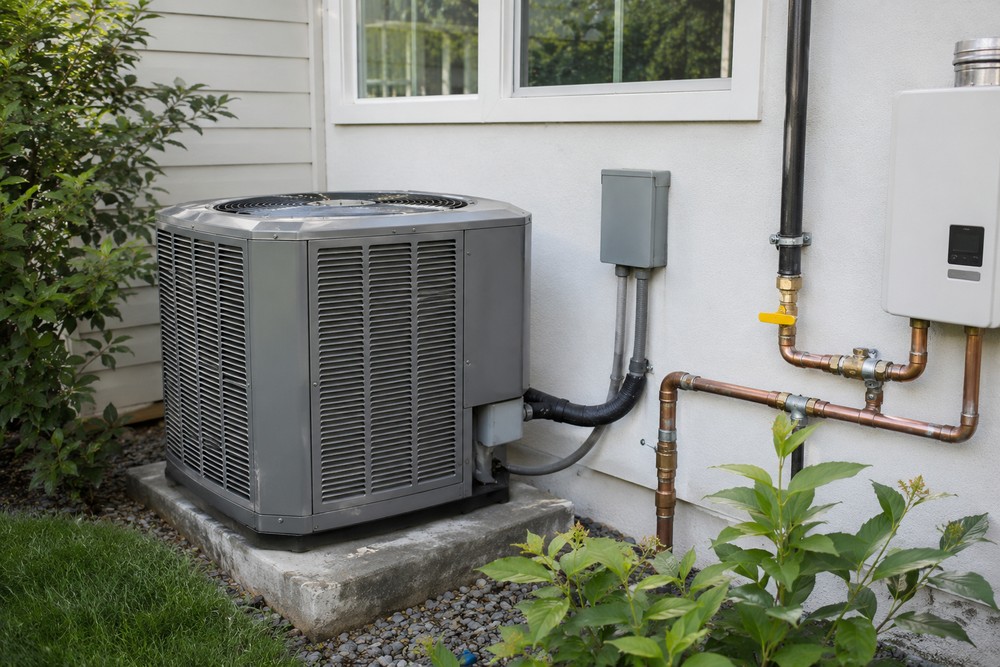
- Keep outdoor cooling units free from debris.
- Inspect visible plumbing connections for leaks.
- Check faucets and toilets for continuous dripping.
- Monitor water heater performance and unusual noises.
- Schedule professional HVAC and plumbing inspections.
- Address warning signs without unnecessary delays.
These tasks support regular maintenance without replacing professional servicing.
Conclusion
Regular HVAC and plumbing maintenance helps homeowners reduce the risk of expensive repairs, improve equipment efficiency, and maintain dependable home comfort. Routine inspections can reveal developing problems involving airflow, electrical components, plumbing leaks, and equipment wear before they cause significant disruption.
A practical maintenance plan should combine simple household checks with professional inspections when needed. By addressing minor concerns promptly and following manufacturer recommendations, homeowners can protect essential systems, manage operating expenses, and make informed decisions about future repairs or replacements.