A backyard renovation is one of the most rewarding projects a homeowner can take on. In Estero, FL, where warm weather keeps people outdoors for much of the year, a well-planned backyard adds comfort, beauty, and value to a home.
Yet many renovations run into trouble because homeowners focus on what they can see and forget about what lies beneath the soil. Giving these hidden elements proper attention at the start saves time, money, and frustration later.
Why the Hidden Parts of a Yard Deserve Attention First
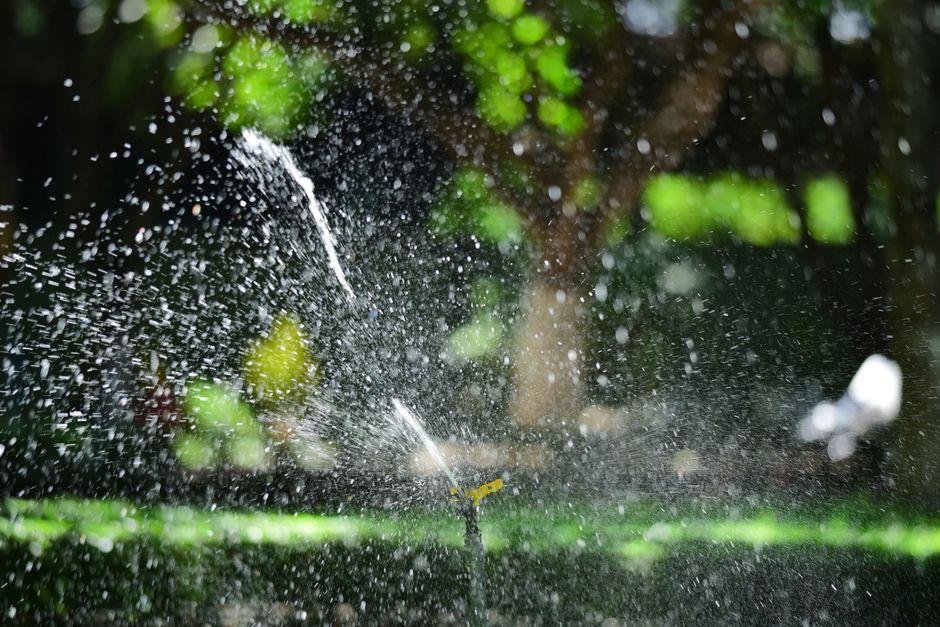
Most homeowners begin by picturing the finished space, but the ground beneath that picture needs to be in good working order before anything new is added. Dry patches across the lawn, water spraying onto paving, or soggy spots near the fence often point to a faulty sprinkler line hidden underground. Having a qualified technician fix these watering problems before construction begins protects new plants and new paving alike.
If your lawn needs sprinkler system repair, Estero, FL has experienced technicians who can find broken nozzles, cracked lines, and clogged heads before they damage a freshly finished space. Sorting out these issues early means the new backyard starts life on solid ground rather than on a hidden problem waiting to surface.
Mapping What Lies Beneath the Surface
Before any digging starts, it helps to know exactly what is already buried in the yard. Many homes have underground water lines, electrical cables for outdoor fixtures, and pipes that carry rainwater away from the house. Few homeowners know where all of these run, especially if they bought the property from someone else.
A simple sketch of the yard is a good place to begin. Mark the house, fences, trees, and any visible valve boxes or outlets. Watch where water appears when the watering cycle runs, and note where outdoor lights and power points sit. This rough map gives designers a clear starting point and lowers the chance of a shovel striking something important by mistake.
Calling the local utility marking service before excavation is also wise. Their crews mark public gas, power, and communication lines, but private lines installed by the homeowner are usually not included, which is why your own map matters so much.
Planning Hardscape Around Underground Lines
Patios, walkways, retaining walls, and outdoor kitchens are often the centerpiece of a renovation. They are also the hardest features to change once they are built. Laying stone or concrete over a buried water line can make future access difficult and expensive, since the only way to reach a leak may be to break up the surface above it.
Good planning avoids this. Where possible, place heavy hardscape away from existing lines, or move those lines before the paving goes down. If a path must cross an underground pipe, place a sleeve beneath it so new lines can be pulled through later without lifting the stones. These small steps add little to the cost but prevent major headaches down the road.
Choosing Plants That Suit Your Watering Plan
Plant choice has a direct effect on how much water a new yard will need. Grouping plants with similar needs together makes watering simpler and more efficient. Thirsty flowering shrubs placed next to drought-tolerant plants will leave one group too wet and the other too dry.
Native and well-adapted plants often handle heat, sandy soil, and heavy summer rain better than many imported varieties, and they usually need less water once established. When sketching new garden beds, think about how each area will receive water and whether current coverage reaches those spots.
Including Outdoor Lighting in the Early Design
Lighting is easy to treat as an afterthought, but it works best when planned alongside the rest of the renovation. Low-voltage cables are usually buried just below the surface, and running them before new turf, mulch, or paving goes down is far easier than adding them later.
Think about how the space will be used after dark. Pathway lights improve safety along walkways and garden steps. Placing cables at the design stage also keeps them clear of water lines, which reduces the chance of one trade damaging another’s work.
Managing Rainwater Before and After Construction
Heavy afternoon storms are common in summer, and a renovation can change the way rainwater moves across a yard. New patios create hard surfaces that shed water instead of soaking it up. Fresh grading can redirect runoff toward the house or into low spots where puddles linger for days.
Watch how water behaves during a strong storm before the project begins, noting where it collects and where it flows. Share these observations with the designer, so slopes and planting areas can carry water away from the home. Standing water damages lawns, weakens paving, and invites mosquitoes.
Protecting the Lawn While Work Is Underway
Even a carefully planned renovation brings heavy equipment, piles of material, and plenty of foot traffic into the yard. All of this can compact soil, crush valve boxes, and snap shallow pipes.
Set aside a clear route for machinery and deliveries, away from buried lines where possible. Lay plywood sheets along that route to spread the weight of wheelbarrows and small vehicles. Once the work is finished, run a full watering cycle and walk the yard to confirm that every zone still behaves as it did before.
Setting a Sensible Order of Work
The sequence of a backyard project matters as much as the design itself.
A practical order starts with removing old features and checking everything below ground. Grading and rainwater planning come next, followed by new water lines and lighting cables. Hardscape goes in after the underground work is complete. Planting, sod, and mulch come last, once the ground is no longer being disturbed. Following this order keeps each stage from damaging the one before it and helps the finished backyard work the way it was meant to from the very first day.