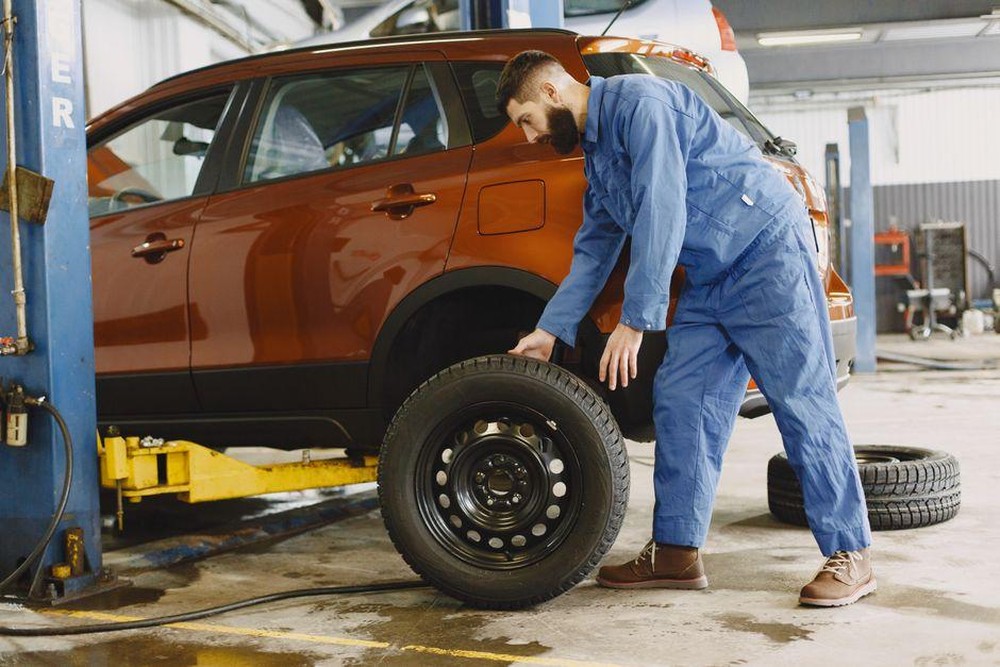
For drivers in Redwood City, CA, keeping a vehicle in good condition means preparing for everything from daily commutes along Highway 101 to weekend drives through winding coastal roads. While engines and brakes receive plenty of attention, tires are often overlooked until something goes wrong.
Your tires influence how your vehicle handles, stops, and responds to changing road conditions. Unfortunately, small maintenance issues can develop gradually, making them easy to ignore.
Understanding what your tires are telling you can help prevent premature wear, improve driving comfort, and reduce the likelihood of unexpected problems. The key is recognizing warning signs early and making tire care part of your regular vehicle maintenance routine.
Know When Your Tires Need Professional Attention
Tires experience constant pressure, friction, and exposure to changing road conditions. Over time, these factors can affect their performance, even when the damage isn’t immediately visible.
Regular inspections help identify concerns such as uneven tread wear, sidewall damage, embedded objects, and pressure problems before they become serious.
If you notice unusual vibrations, recurring pressure loss, or changes in handling, professional evaluation can help determine whether your tires need repair, adjustment, or replacement.
For drivers seeking comprehensive tire maintenance, Redwood General Tire Pros in Redwood City, CA provides services including tire installation, repairs, rotations, and wheel alignment.
An experienced technician can assess tire condition, identify potential safety concerns, and recommend suitable maintenance based on your vehicle and driving habits.
Avoid assuming that every tire problem requires replacement. Some punctures can be repaired safely, while others require a new tire because of their location or severity.
Getting the right diagnosis helps you make informed decisions without overlooking important safety concerns.
Understand Why Tire Pressure Changes More Than You Think
Tire pressure affects nearly every aspect of your vehicle’s performance, including steering response, braking, and tire longevity.
Underinflated tires generate additional heat and experience increased flexing, which can accelerate wear and potentially contribute to tire failure.
Overinflation can also create problems by changing how the tire contacts the road and making the ride feel less comfortable.
Check tire pressure at least once a month and before longer journeys, preferably when the tires are cold.
Use the manufacturer’s recommended pressure listed on the driver’s door placard or in the owner’s manual rather than the maximum pressure printed on the tire.
Remember that temperature changes can influence pressure readings.
If one tire repeatedly loses air, have it inspected for punctures, valve problems, or wheel-related leaks.
Maintaining proper inflation is a simple habit that supports safer, more predictable driving.
Learn to Read the Warning Signs in Your Tread
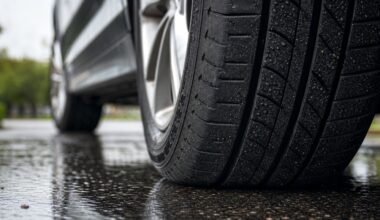
Your tire tread provides useful information about both tire condition and potential mechanical problems.
When tread becomes excessively worn, tires have less ability to channel water away from the contact area, increasing the risk of hydroplaning.
Uneven wear patterns can also reveal underlying issues.
Excessive wear along both shoulders may indicate prolonged underinflation, while unusual wear concentrated in one area could suggest alignment or suspension concerns.
Inspect the tread across the full width of each tire rather than checking only the most visible section.
You can use a tread-depth gauge to monitor wear accurately.
Although the legal minimum tread depth for passenger tires is commonly 2/32 of an inch, wet-weather performance may deteriorate before reaching that point.
If you notice exposed cords, bulges, or significant damage, stop using the affected tire until a professional evaluates it.
Make Tire Rotation Part of Your Maintenance Schedule
Tires don’t always wear at the same rate because different wheel positions experience different loads and driving forces.
Front tires often handle steering responsibilities, while driven wheels transmit power to the road.
Regular tire rotation helps distribute wear more evenly and can extend the useful life of a complete set.
Many vehicles benefit from rotations approximately every 5,000 to 8,000 miles, but your owner’s manual and tire manufacturer’s recommendations should take priority.
Rotation patterns depend on whether your vehicle uses front-wheel drive, rear-wheel drive, all-wheel drive, or directional tires.
Some vehicles with different front and rear tire sizes also have specific restrictions.
During rotation appointments, ask for a visual inspection of tread condition and possible damage.
Combining these services makes routine maintenance more convenient while helping identify developing problems before they affect everyday driving.
Recognize When Wheel Alignment Is Affecting Your Tires
Wheel alignment determines how your tires are positioned relative to the road and one another.
When alignment angles move outside manufacturer specifications, your vehicle may develop uneven tire wear or handling problems.
Common warning signs include a steering wheel that appears off-center, persistent pulling to one side, or unusual wear along tire edges.
Hitting a pothole or curb can sometimes disturb alignment, although suspension wear may also contribute.
If your vehicle begins handling differently, schedule an inspection rather than waiting for visible tire damage.
A technician can measure alignment angles and determine whether adjustments or mechanical repairs are necessary.
Proper alignment helps tires maintain appropriate contact with the road, supporting predictable steering and longer tire life.
However, alignment won’t correct every vibration or handling complaint, so accurate diagnosis remains important.
Choose Replacement Tires Based on Your Driving Habits
Buying new tires involves more than selecting a familiar brand or finding the lowest available price.
The right choice depends on your vehicle, typical driving conditions, and performance expectations.
For everyday commuting, touring tires may offer a suitable balance of comfort, tread life, and handling.
Drivers who frequently encounter wet roads should pay particular attention to traction performance.
Those who travel through colder mountain regions may need tires designed for winter conditions.
Always follow your vehicle manufacturer’s requirements for tire size, load capacity, and speed rating.
Consider treadwear warranties, noise levels, and expected driving conditions when comparing options.
Avoid mixing incompatible tire types, especially on vehicles with all-wheel-drive systems that may require closely matched tires.
Choosing suitable replacements helps maintain the handling characteristics your vehicle was designed to deliver.
Pay Attention to Vibrations and Unusual Road Noise
Changes in driving comfort can sometimes provide early clues about tire-related problems.
A vibration that becomes noticeable at certain speeds may indicate wheel imbalance, tire damage, or another mechanical issue.
Unusual humming or rhythmic noises can also develop from irregular tread wear, although wheel bearings and other components may produce similar sounds.
Pay attention to when symptoms appear.
Does the vibration increase with speed, occur during braking, or become more noticeable while turning?
These details can help a technician narrow down possible causes.
Don’t assume balancing will solve every vibration problem.
A thorough inspection may be necessary to identify damaged wheels, suspension concerns, or irregularly worn tires.
Addressing these symptoms early can prevent additional wear while restoring a more comfortable driving experience.
Build a Tire Care Routine That Lasts
Consistent tire maintenance doesn’t require complicated procedures, but it does depend on paying attention between service appointments.
Set a monthly reminder to check inflation pressure and inspect your tires for visible damage.
Before longer drives, examine tread condition and confirm that your spare tire or emergency inflation equipment is ready for use.
Keep records of rotations, alignments, tire purchases, and repairs.
These records can help you monitor wear patterns and understand when future maintenance may be necessary.
It’s also worth adjusting your driving habits. Smooth acceleration, controlled braking, and avoiding potholes whenever safely possible can reduce unnecessary tire stress.
Most importantly, respond promptly when something feels different.
Your tires connect your vehicle to the road, making their condition essential to everyday safety and performance. By combining regular inspections with timely professional maintenance, you can protect your investment, improve driving confidence, and keep your vehicle ready for the miles ahead.