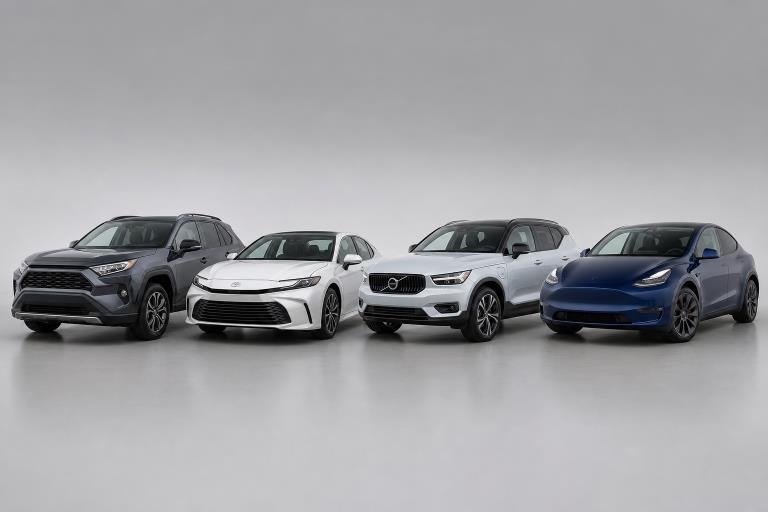
Choosing between a gas vehicle, a hybrid, a plug-in hybrid, and an EV is less about following a trend and more about matching a vehicle to your real life. Your mileage, budget, parking setup, weather, passengers, cargo, and travel plans should guide the decision. Drivers comparing their options can learn more about matching the powertrain to their daily routine while keeping those daily needs in focus.
In 2026, many shoppers can choose from several powertrains within the same vehicle category. That creates more flexibility, but it also makes it easier to buy a vehicle that looks good on paper and feels inconvenient after a few months of ownership.
Why Powertrain Choice Matters More
Fuel availability, charging access, vehicle capability, and ownership expenses vary widely from one household to another. A commuter who drives 25 miles a day has different needs than a contractor towing equipment or a family taking several interstate trips each year. The most useful approach is to match the powertrain to your daily routine, rather than choosing based only on horsepower, advertised range, or a popular badge.
Start With A Real-World Driving Profile
Before researching models, write down how the vehicle will actually be used. A simple profile can prevent an expensive mismatch.
- Average miles driven each day and week
- Typical commute length and amount of stop-and-go traffic
- Number and distance of road trips each year
- Access to a garage, driveway, workplace charger, or reliable public charging
- Need for towing, hauling, roof racks, or a full passenger load
- Common weather, terrain, and road conditions
- How long do you expect to keep the vehicle
Gas-Powered Vehicles: A Practical Fit For Certain Drivers
Gasoline vehicles still make sense for drivers who value quick refueling and broad station access. They can be especially practical for frequent towing, rural routes, unpredictable schedules, heavy cargo, and long trips where charging stops would add planning time. Buyers should still compare real fuel-economy ratings, not simply engine size or horsepower. Fuel costs, oil changes, engine service, and possible long-term repairs belong in the budget.
Traditional Hybrids: Efficiency Without Plugging In
A traditional hybrid combines a gasoline engine, an electric motor, and a small battery. The battery is replenished while driving, including through regenerative braking, which recovers some energy during slowing and braking. This setup can be a strong match for city commuters and drivers who regularly encounter traffic. It keeps the familiar gas-station routine while often reducing fuel use. Savings will still depend on the vehicle’s price, size, fuel economy, local gas prices, and the type of driving you do most often.
Plug-In Hybrids: A Middle Ground With More Planning
Plug-in hybrids use a larger battery that can power shorter trips with electricity, then rely on a gasoline engine for longer travel. They may fit drivers with short daily commutes, dependable overnight charging, and occasional road trips. They are also appealing to households that want to reduce gasoline use without depending entirely on public charging.
The key is regular charging. A plug-in hybrid that is rarely plugged in carries extra battery weight without delivering its intended electric-driving benefit. If charging at home, work, or another routine location is not realistic, a traditional hybrid may be the simpler and more efficient choice.
Electric Vehicles: Check Charging Before Buying
EVs offer quiet operation, responsive acceleration, and no tailpipe emissions while driving. Home charging is usually the most convenient approach because the vehicle can recharge while parked overnight. Public fast charging is helpful for longer trips, but it should not be your only plan unless stations are dependable on your regular routes.
- Confirm where the vehicle will charge overnight.
- Compare your normal route with the vehicle’s expected real-world range.
- Allow extra range for cold weather, high speeds, hills, wind, cargo, and traffic.
- Check charger availability on the routes you use most often.
- Estimate the cost of any home electrical work or charging equipment.
Do not treat the maximum rated range as a daily target. A comfortable buffer makes EV ownership less stressful, particularly during winter travel or when a charger is unavailable.
Compare Total Ownership Costs
A lower sticker price does not automatically mean lower ownership costs. Build a five-year estimate that includes the purchase price or monthly payment, fuel or electricity, insurance, scheduled maintenance, likely repairs, registration, taxes, home charging equipment, and expected resale value. Current insurance cost differences also show why drivers should request quotes for the specific model before finalizing a purchase, since premiums can vary by vehicle, location, driving record, and insurer.
Match The Powertrain To The Main Job
- Mostly city driving: A hybrid or EV can be a sensible choice when charging is convenient.
- Short commute with home charging: Consider a plug-in hybrid or EV.
- Frequent road trips: Gas vehicles, hybrids, and plug-in hybrids offer familiar refueling flexibility.
- Regular towing: Prioritize rated towing capacity, payload, cooling systems, and trailer equipment before fuel type.
- Heavy daily mileage: Compare energy costs with the time required to charge or refuel.
- Mixed family use: Balance powertrain needs with seating, cargo room, safety, comfort, and visibility.
Do Not Ignore Weather, Terrain, And Cargo
Extreme heat and cold can affect energy use, while hills, strong winds, high highway speeds, and heavy loads can reduce fuel economy or driving range. Towing can make a major difference for any powertrain, especially an EV. Test drive with practical details in mind, including seating position, child-seat access, cargo space, controls, and outward visibility.
A Simple Step-By-Step Buying Process
- Define the vehicle’s main job.
- Record your weekly mileage and usual trip lengths.
- Check charging or refueling access.
- Set a realistic monthly ownership budget.
- Compare at least two powertrain types.
- Review efficiency, range, towing, cargo, warranty, and safety details.
- Estimate five-year ownership costs and take a careful test drive.
Common Mistakes To Avoid
- Choosing the largest engine without a clear capability need
- Buying an EV without a reliable charging plan
- Assuming every hybrid costs less over time
- Ignoring insurance, maintenance, and repair costs
- Expecting maximum fuel economy or range in every condition
- Overlooking cargo, comfort, safety, and towing requirements
Questions Readers Often Ask
Is A Hybrid Better Than A Gas Vehicle?
It depends on the driver. A hybrid can be ideal for frequent city driving, while a gas vehicle may be a better fit for regular towing, remote travel, or a lower upfront price.
Should Every Driver Buy An Electric Vehicle?
No. EVs can be an excellent fit with reliable charging and predictable routes, but drivers without dependable charging may prefer a hybrid or plug-in hybrid.
Are Plug-In Hybrids Worth Considering?
They can be worthwhile for drivers who charge often and want gasoline flexibility for longer trips. Their advantages become much smaller when charging is rare.
Conclusion
The right powertrain fits your routine, budget, travel habits, and access to energy. Gas, hybrid, plug-in hybrid, and electric vehicles each solve different problems. Comparing your actual mileage, charging options, towing needs, weather, comfort requirements, and full ownership costs will lead to a more confident decision.