Owning a vehicle is more than just a daily convenience; it represents a substantial financial investment that provides freedom and mobility. Whether you drive a brand-new vehicle off the showroom floor or rely on a trusted older model, proactive vehicle care is the secret to maximizing operational lifespan, ensuring safety, and preserving resale value over time. Many drivers delay routine servicing until a warning light appears on the dashboard, but reactive maintenance often leads to avoidable breakdowns and expensive repair bills.
By establishing consistent automotive care habits, you can keep your vehicle running smoothly and efficiently for years. Here is a practical guide to essential maintenance practices that improve performance and extend the life of your car.
1. Prioritize Engine Health with Vital Fluid Checks
The engine serves as the heart of your vehicle, and its long-term reliability depends heavily on proper lubrication and thermal regulation. Automotive fluids reduce internal friction, sweep away contaminants, and cool high-temperature components. Among these, motor oil is easily the most critical. Fresh engine oil prevents sludge buildup that can starve narrow passageways and cause severe engine wear.
Be sure to schedule oil and filter changes according to your manufacturer’s recommended service intervals—typically every 5,000 to 7,500 miles. In addition to motor oil, regularly inspect these vital fluids:
- Engine Coolant: Regulates operating temperatures and prevents catastrophic engine overheating.
- Brake Fluid: Guarantees firm, responsive stopping power under heavy braking conditions.
- Transmission & Power Steering Fluids: Keep gear shifting smooth and steering responsive across changing weather conditions.
2. Monitor Tire Pressure and Tread Condition
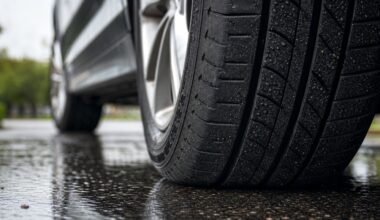
Tires represent your vehicle’s only direct contact with the pavement, making tire maintenance fundamental to safety, handling, and fuel efficiency. Underinflated tires create excessive rolling resistance, forcing your engine to burn more fuel while subjecting the tire tread to uneven wear. Overinflated tires reduce road traction and result in a harsh ride quality.
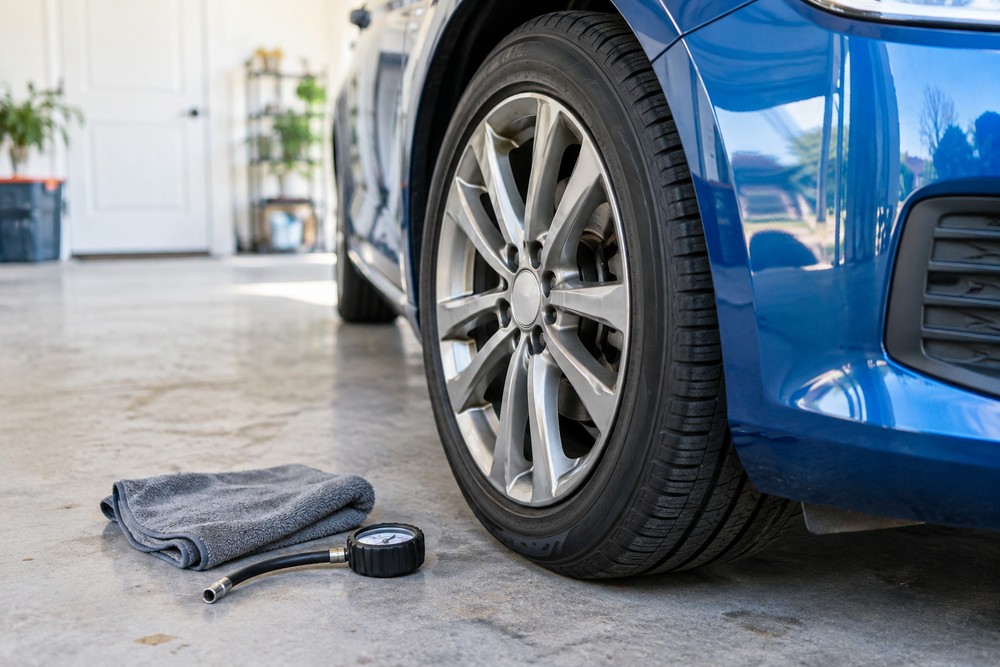
Check your tire pressure at least once a month using an accurate pressure gauge, ensuring inflation matches the recommended PSI listed inside the driver’s door jamb. Additionally, schedule tire rotations every 5,000 to 7,500 miles. Regular rotations distribute wear evenly across all four tires, maximizing overall tread life and delivering predictable traction on wet or icy roads.
3. Protect Your Vehicle’s Paint and Exterior Finish
Maintaining your car’s exterior does more than keep it looking new; it guards the structural bodywork against corrosion, rust, and environmental degradation. Everyday driving constantly exposes paint to harsh solar UV rays, road grime, bird droppings, tree sap, and winter road salts.
Washing your vehicle bi-weekly removes harmful surface contaminants before they can etch into the clear coat. Applying a quality wax or sealant twice a year adds a protective layer against environmental pollutants. For drivers seeking long-lasting defense against highway debris, investing in paint protection film for cars in Salt Lake provides an invisible, high-durability barrier that guards high-impact areas against rock chips, scratches, and chemical etching.
4. Maintain the Cabin Interior
Interior maintenance plays an equally vital role in driving comfort and long-term resale value. Direct sunlight and trapped cabin heat can quickly fade upholstery, dry out leather, and crack vinyl dashboards over time.
To keep your interior in top condition:
- Vacuum carpets and seats regularly to prevent abrasive dirt from grinding into fabric fibers.
- Use a windshield sunshade when parking outdoors to reduce cabin temperatures and block solar radiation.
- Treat leather and vinyl surfaces with automotive conditioners to preserve flexibility and prevent cracking.
5. Adopt Mindful Driving Habits and Respond Promptly to Issues
How you operate your vehicle every day directly influences mechanical longevity. Aggressive driving habits—such as hard acceleration, sudden braking, and speeding over rough road surfaces—place heavy strain on the engine, transmission, brakes, and suspension. Practicing smooth, steady driving techniques reduces component wear while optimizing fuel economy.
Finally, never ignore dashboard warning lights or unusual mechanical feedback. Squealing brakes, strange engine vibrations, or unfamiliar noises are early signals that require prompt attention. Addressing minor issues early prevents them from escalating into major, costly failures down the road.
Conclusion
Achieving long-term vehicle reliability does not require complex routines or expert mechanical skills. By committing to routine fluid checks, consistent tire care, exterior protection, and mindful driving, you safeguard your financial investment and ensure safe, dependable performance for many miles to come.