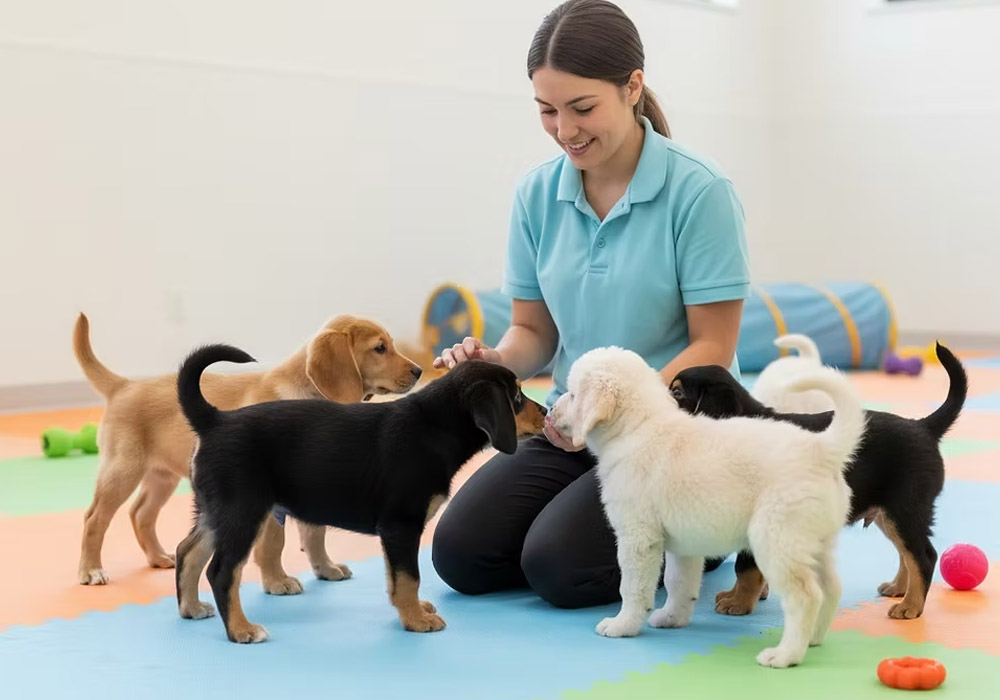
Dog daycare gives dogs supervised opportunities to move and socialize while their owners manage daily responsibilities or are out of town. The activities available during the day influence how dogs spend time away from home. A varied environment offers opportunities for exploration, play, and rest without relying on a single activity, which could cause boredom. Here is how different playroom features help keep dogs engaged during daycare:
Explore Dedicated Play Areas
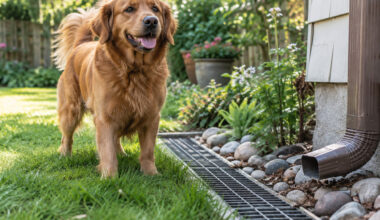
Designated play areas give dogs space to investigate their surroundings during supervised care. Turf surfaces offer a different texture from standard indoor flooring, creating opportunities for sniffing and exploration. With suitable drainage and a washing station, staff can maintain the space after use, keeping it clean for the pets. These features also give dogs a designated place to relieve themselves during the day.
Move Through Spacious Playrooms
Open play areas give dogs room to walk, run, and play with other dogs under supervision. Separate spaces for different-sized groups help accommodate their physical needs, while non-slip flooring provides a safe surface for movement. Dogs have different activity levels, so room layouts should allow movement without requiring constant participation. Access to beds or quieter areas also gives dogs somewhere to settle between active periods.
Room design influences how dogs use their surroundings. Some dogs spend more time exploring open areas, while others move between play and rest. Distinct activity zones let dogs engage with their environment in different ways. Staff supervision helps keep activities appropriate for the dogs sharing each space.
Alternate Play with Rest
Engagement does not require continuous movement throughout the day. Partially enclosed resting spots give dogs opportunities to settle away from active play, while beds provide another place to pause. Toys introduce additional activity when suitable for the group, and staff can manage their use during supervised sessions. A balance between movement and quiet time gives dogs room to respond to their own activity levels.
Different features support quieter periods and short play sessions:
- Resting cubbies: Provide partially enclosed spaces where dogs can settle.
- Comfortable beds: Offer designated resting surfaces between activities.
- House toys: Introduce play options when appropriate for the group.
- Socialize with Matched Playmates
Social interaction forms part of a dog’s daily activity, but compatible group placement influences how interactions develop. Staff may arrange dogs in groups based on size, temperament, and weight, helping them find appropriate playmates. Staff must think about more than size when assessing temperament, as dogs react differently to new animals.
Different dogs may need to be paired differently if one wants to play quietly and another wants to play actively. The play area environment also affects how dogs interact throughout the day. Canines are divided into appropriate groups, allowing smaller animals to be accommodated with similarly sized dogs and larger dogs to move around.
Appropriate grouping will allow opportunities for interaction without all animals being in the same environment during dog daycare. Staff are able to monitor each dog’s behavior and make appropriate adjustments within groups as needed. Regular supervision also assists in the ability of the dog’s caretakers in seeing when the dog requires rest or a shift in activity.
Plan for Dog Daycare
Dogs’ preferences for activity may vary with age, temperament, and group experience. Providing that information prior to enrolment provides useful background for caregivers when planning daily activities. It’s also a good idea to inquire about how the facility balances group interaction with resting spaces. When you need a dog daycare, make an appointment to visit and talk about what your dog needs.