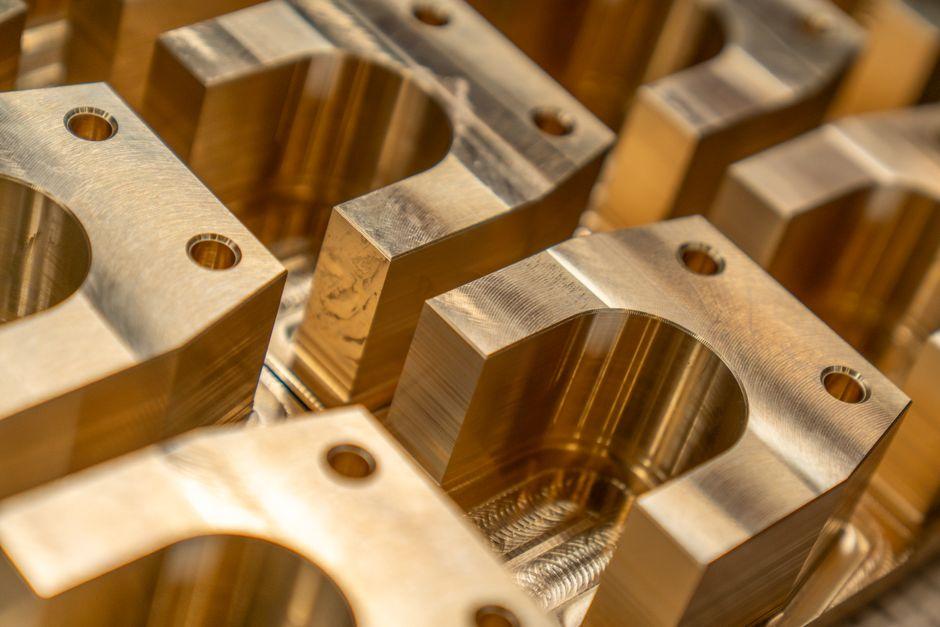
Modern mortar and artillery systems are often discussed through range or firepower. The more revealing story is the industrial environment behind them: quality management, materials oversight, safety, electronics, logistics, and controlled records. Defense manufacturing shows how complex industries manage precision when reliability matters.
The Industrial Ecosystem Behind Complex Equipment
A modern defense product depends on suppliers, specialist processes, inspection systems, documentation, and logistics. Materials must meet specifications, components remain consistent, and each stage needs appropriate checks.
These principles extend to aerospace, medical devices, energy infrastructure, and automation. A small deviation can affect a larger system. Precision means controlling how a product is produced, verified, stored, transported, and supported.
For readers examining mortars and artillery munitions by Select Controls, the wider industrial context includes specification management, supplier oversight, documentation, and compliance. Dependable equipment relies on a coordinated production ecosystem, not simply an isolated finished item.
Precision Begins With Process Control
Precision is often associated with final inspection, but quality is shaped much earlier through material selection, supplier qualification, process consistency, and controlled production environments. A final check can identify some defects, but it cannot replace a well-managed process.
Dimensional consistency, material documentation, inspection records, and controlled handling help establish whether outputs meet requirements. Repeatability matters: a process that succeeds once may not be reliable at scale. Manufacturers need evidence that standards hold across batches and suppliers.
This also explains why inspection cannot be treated as a one-time event. Process audits, calibrated measurement systems, supplier assessments, and documented corrective actions help show whether controls remain effective over time. When a deviation appears, organizations need to understand its scope and prevent recurrence, rather than simply correcting the visible defect. Such discipline supports confidence among customers, regulators, and partners, particularly when products must remain dependable through long storage periods and demanding transport conditions and increasingly varied operating environments.
Complete records support accountability, helping teams investigate deviations and make informed decisions. Quality influences the entire manufacturing lifecycle, not just final inspection.
Data Is Becoming Part of Industrial Quality
Modern manufacturing depends on connected information. Sensors, digital records, and software help teams assess whether production stayed within approved limits. The value lies in making information accurate, accessible, and useful.
Engineering, quality, procurement, and operations teams need consistent information. Fragmented records make problems harder to investigate and changes harder to assess.
Digital manufacturing connects information from design, production, and product use to improve processes across the product lifecycle. This overview of digital manufacturing explains how integrated information can support better performance across complex operations. This makes information useful for audits, continuous improvement, and decisions made across organizational boundaries consistently.
Safety and Assurance Must Be Designed In
In high-consequence industries, safety cannot be treated as a final inspection or separate compliance exercise. It must inform design decisions, supplier requirements, handling procedures, storage controls, testing, and maintenance throughout a product’s life.
Organizations must assess foreseeable risks and establish verifiable controls. Documentation, review, protective packaging, and clear procedures support assurance. Reliability includes predictable behavior under approved conditions.
A strong safety culture needs clear responsibilities, training, and a process for raising concerns. Organizations must allow teams to pause, investigate, and correct problems early.
Traceability Connects the Supply Chain
A complex product may involve many organizations before reaching its end user. Without reliable records, it can be difficult to establish where materials came from, which suppliers handled them, or whether required checks were completed. Traceability connects these details and gives organizations a clearer view of product history.
Federal guidance explains how structured traceability information can help verify product origins and strengthen supply chain risk management across complex global manufacturing networks. Its manufacturing supply chain traceability framework explains why consistent, verifiable records matter across manufacturing networks.
Traceability supports investigations, audit readiness, and responses to supplier changes. It requires records that connect information across organizations while protecting confidential information.
Resilience Requires More Than Backup Suppliers
Resilience means more than finding another supplier. Organizations must understand capacity, qualification requirements, lead times, workforce availability, transport constraints, and critical dependencies. A supply chain risk management guide outlines practical ways to identify vulnerabilities and prepare for disruption.
A backup source may need assessment and approval before it meets the same requirements. Resilience comes from identifying dependencies, anticipating disruptions, maintaining realistic inventory, and adapting without compromising quality.
A disruption in one specialist input can affect an entire production schedule, even when final assembly is operating normally. Supply chain visibility helps decision-makers identify vulnerabilities before they become urgent problems.
Modernization Must Work With Existing Systems
Modernization does not always mean replacing an entire platform. Organizations improve established systems through better monitoring and integration, while maintaining standards and oversight.
Compatibility matters when equipment has a long service life. Changes must not undermine safeguards or create gaps in responsibility. The same challenge appears across industries where replacing everything at once is impractical.
What Other Industries Can Learn
High-precision defense manufacturing shows that dependable output comes from disciplined systems. Materials, documentation, workforce capability, process control, safety, data quality, and logistics all matter. No technology compensates for weaknesses across these areas.
Other industries can apply the same thinking by strengthening traceability, reviewing supplier risks, and treating safety as part of everyday operations. The goal is consistent results, early problem detection, and responsible decisions.
Modern mortar and artillery systems reveal a broader truth about industrial precision: reliability is built across an entire ecosystem. It depends on coordinated suppliers, controlled processes, trustworthy records, safety assurance, and resilient logistics. These principles extend well beyond defense. Any organization producing complex or high-consequence equipment can benefit from treating quality as a system-wide responsibility rather than a final checkpoint. The strongest operations can demonstrate, consistently and transparently, how their products meet the standards expected of them.