Choosing whether to keep maintaining an older diesel engine, rebuild it, or install a replacement is rarely a simple mileage decision. Fleet owners, owner-operators, equipment managers, and repair teams need to weigh the engine’s measured condition, the machine’s remaining working life, parts availability, and the cost of downtime. For operators evaluating a Cummins N14 engine or another established heavy-duty platform, a disciplined inspection can prevent both premature replacement and an expensive repair that fails to address the underlying problem.
The best decision starts with evidence. A technician should identify the source of a complaint, determine whether wear is limited or widespread, and inspect the systems that support the engine. Fuel delivery, cooling, air intake, electrical controls, and exhaust components can all create symptoms that resemble a major internal engine failure.
Why a Quick Inspection Is Not Enough
Two engines with similar mileage can have very different prospects. One may have worked steady highway loads with timely oil changes and careful warm-up practices. Another may have experienced long idle periods, frequent overloads, dusty job-site conditions, overheating, or delayed repairs. Those differences can affect bearings, liners, turbochargers, injectors, and cooling-system components long before the odometer tells the full story.
A professional inspection helps distinguish a worn engine from one with a repairable supporting-system fault. For example, low power could result from restrictions in the injector, turbocharger, charge air, fuel supply, sensor, or exhaust. Replacing an engine before checking those systems can leave the original problem in place.
How to Judge Current Engine Condition
Start with records. Gather service invoices, oil analysis reports, prior repair estimates, fault-code history, operating hours, and notes on oil or coolant consumption. Then observe the engine during a cold start and under normal load. Hard starting, unstable idle, abnormal smoke, unusual noise, and poor throttle response should be documented rather than judged from memory.
Tests That Create a Clearer Picture
- Measure oil pressure at idle and at the manufacturer’s specified operating conditions.
- Pressure-test the cooling system and inspect for external leaks, coolant loss, and oil contamination.
- Evaluate crankcase pressure, compression or cylinder condition, injector performance, boost behavior, and turbocharger condition.
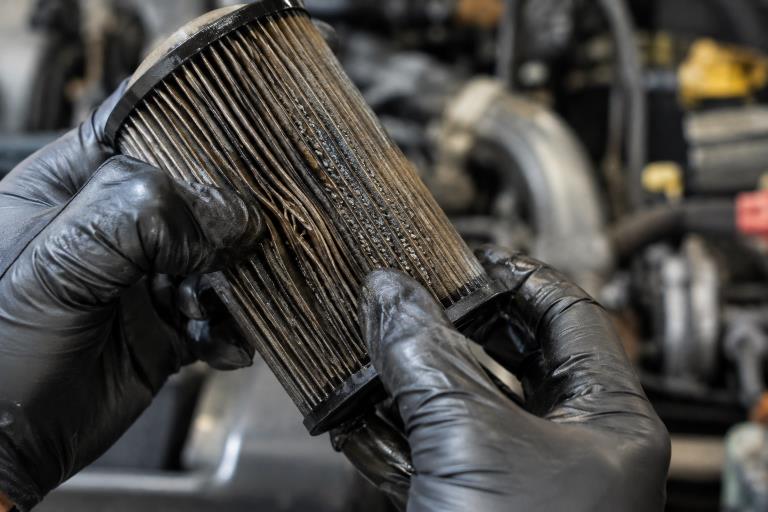
- Cut open the oil filter when appropriate and inspect the media for metal or other debris.
- Confirm the engine serial number, calibration, and component specifications before ordering parts or assemblies.
Warning Signs That Need Attention
No single symptom automatically means an overhaul is required, but several symptoms together justify a deeper diagnosis. Pay close attention to low or unstable oil pressure, heavy blow-by, hard starting after an overnight stop, increased oil consumption, repeated overheating, power loss under load, coolant entering the oil, or metal found in the drained oil or filter media. Blue, white, or excessive black smoke can also indicate mechanical or fuel-and-air problems. Knocking, vibration, and valvetrain noise should be investigated promptly, as continued operation can exacerbate the damage.
Maintenance Factors to Review
Use the oil viscosity and performance category specified for the engine and application, not simply the product that is easiest to obtain. The API diesel oil categories show why newer diesel oil classifications are not always interchangeable with every older engine recommendation. Confirm suitability with the engine manufacturer or a qualified lubricant provider before changing products or drain intervals.
Track oil consumption, coolant test results, filter debris, repair frequency, and operating conditions over time. Extended service intervals should be based on oil analysis and the engine’s actual duty cycle. A truck that idles heavily or equipment that operates in heat, dust, or high loads may need a different maintenance plan than an engine running predictable highway routes.
When a Rebuild May Be the Better Choice
A rebuild may be worthwhile if inspection confirms the block is within limits and core components can be safely machined, repaired, or reused. It’s most appealing when the truck or machine has substantial remaining service life, parts are available, and downtime can be scheduled.
Before approving, request a written scope specifying which components will be measured, replaced, machined, or reused, and how the fuel, cooling, turbocharger, and air systems will be inspected. A thorough rebuild fixes the cause of the original failure, not just the visible damage.
When Replacement Makes More Sense
Consider replacement for severe block damage, a broken crankshaft, widespread contamination, multiple major failures, or uncertain repairs. It may also suit fleets unable to afford lengthy troubleshooting and repeated teardowns.
Compare options: a short block covers the lower end; a long block includes more assembled components. Complete engines may include external parts, depending on the supplier. Before buying, verify compatibility with accessories, electronics, mounts, flywheel housing, emissions equipment, and warranty requirements.
How to Compare Total Costs
- Record the quoted repair, rebuild, or replacement price.
- Add labor, fluids, filters, gaskets, shipping, taxes, and installation materials.
- Estimate revenue lost during downtime and the cost of rental or substitute equipment.
- Include related work on cooling, fuel, electrical, intake, exhaust, and driveline systems.
- Compare expected service life, warranty terms, maintenance needs, fuel use, and resale implications.
Step-by-Step Inspection Checklist
- Gather records: Collect service history, oil reports, operating data, and invoices.
- Inspect visually: Look for leaks, damaged wiring, loose mounts, and signs of overheating.
- Test cold operation: Record start time, smoke, noise, and idle quality.
- Check fluids and filters: Look for contamination in oil, coolant, fuel, and filter media.
- Measure performance: Check oil pressure, boost, temperatures, and cylinder condition as appropriate.
- Document findings: Separate urgent faults from items that can be monitored and request a written repair plan.
How Emissions Requirements May Affect Older Equipment
Before making a major investment, verify the rules that apply where the truck or machine will operate. State, city, port, and job-site requirements can affect older diesel equipment differently. For instance, California’s Truck and Bus Regulation includes requirements for many diesel-powered vehicles operating in the state. Local compliance needs can change the practical value of rebuilding an older engine versus replacing equipment or choosing a newer powertrain.
The right choice is the one supported by inspection results and a realistic operating plan. Evaluate the engine’s condition, repair scope, parts support, downtime exposure, future workload, and location-specific requirements before committing. Evidence-based planning gives an older heavy-duty diesel engine its best chance of delivering dependable service, whether that means continued maintenance, a rebuild, or replacement.