If you’re thinking about changing your smile, veneers usually show up fast in the conversation. They’re popular for a reason, but most people only hear the polished version: brighter teeth, better photos, more confidence. In a place like Lincoln, where routine dental care is easy to find and cosmetic options are increasingly common, it helps to know what veneers really do, who they suit, and what daily life with them actually feels like.
Not every smile concern should lead straight to veneers
Veneers can solve a lot, but they aren’t the automatic answer for every issue. If your concern is crowding, bite misalignment, gum disease, or active tooth decay, those problems usually need treatment before cosmetic work enters the picture. In some cases, orthodontics or contouring may be the smarter first move.
This is where people get tripped up by social media before-and-afters. Online, veneers often get framed as a shortcut. In actual dentistry, case selection matters. Enamel quality, tooth position, grinding habits, and gum symmetry all influence whether veneers will perform well over time.
If you’re exploring dental veneers in Lincoln, NE, the useful question isn’t “Can I get them?” It’s “Are they the right treatment plan for the specific changes I want?” That distinction can save you money, discomfort, and regret.
Veneers are cosmetic, but the decision is practical
You might start looking at veneers because of stains, chips, uneven edges, or small gaps that bother you every time you see a photo. That’s cosmetic, but the choice is often practical too. If whitening won’t fix deep discoloration and bonding won’t hold up the way you want, veneers can become the more predictable option.
What makes them different is the level of control. A dentist can shape color, contour, proportion, and surface texture with much more precision than people expect. Good veneer work doesn’t aim for a generic “perfect smile.” It aims for harmony with your facial features, bite, and natural tooth display.
That matters more than trends. Ultra-bright, oversized veneers can look dated fast. The better approach usually involves subtle adjustments that still look like you, only more polished and balanced.
The prep process is less dramatic than people imagine
A lot of anxiety around veneers comes from old stories or exaggerated videos. You may have seen teeth reduced into tiny pegs and assumed that’s always part of the process. It isn’t. Modern veneer planning is far more conservative when the case allows it.
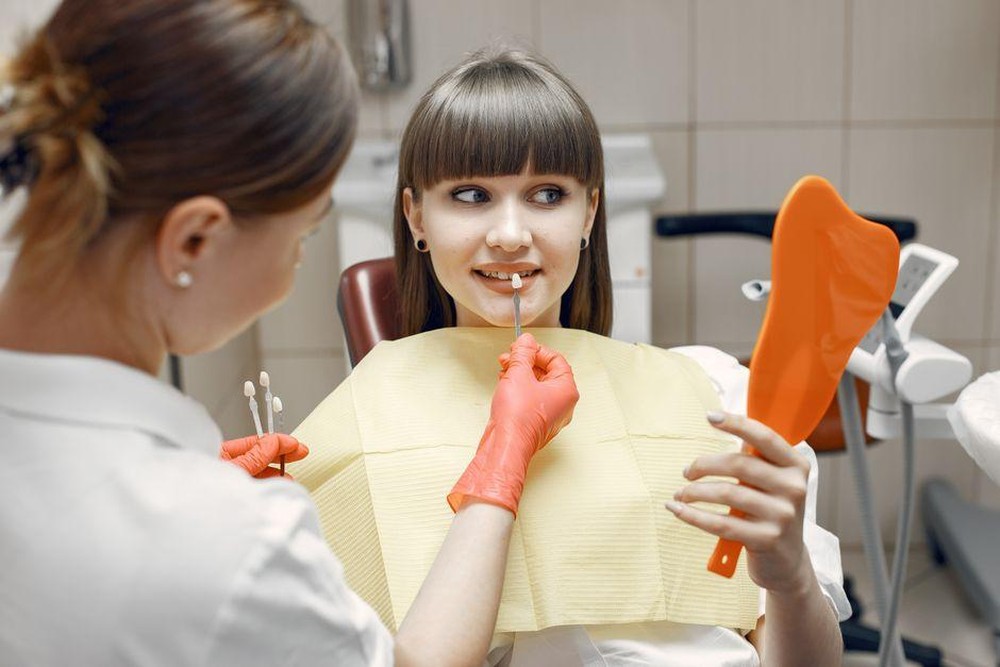
In many situations, only a thin layer of enamel is adjusted to create space and improve fit. The goal is to preserve tooth structure while giving the ceramic room to sit naturally. Your dentist may also take digital scans, shade-match carefully, and use temporaries so you can preview shape and speech before final placement.
That preview stage matters more than people realize. It gives you a chance to notice details like whether the front teeth feel too square, too long, or too opaque. Cosmetic dentistry is technical, but communication drives the final result.
Material quality affects more than just appearance
When people talk about veneers, they usually focus on color. Shade matters, but material choice affects translucency, durability, stain resistance, and how light reflects off the surface. High-quality porcelain tends to look more lifelike than cheaper alternatives because it mimics natural enamel more convincingly.
That optical quality is one reason well-done veneers don’t look flat or chalky. They interact with light in a way that feels believable at normal conversational distance, not just in staged clinic photos. Surface finish also matters because rougher work can catch stain and lose polish faster.
You should also think about function. If you clench at night, your dentist may recommend a night guard to protect the restorations. Veneers are durable, but they aren’t indestructible. Opening packaging with your teeth or crunching ice stops being a harmless habit once ceramics are involved.
Daily life with veneers is usually easy, but maintenance is real
Once veneers are placed and you’ve adjusted, daily life often feels normal very quickly. You brush, floss, drink coffee, talk, laugh, and eat most foods without much thought. The part that changes is your maintenance standard. Cosmetic work tends to make people more aware of habits they used to ignore.
Flossing technique matters because healthy gums frame veneers. Professional cleanings matter because plaque still builds around the margins. Grinding matters because repeated pressure can chip ceramic or stress the bond interface. If you skip routine care, even beautiful cosmetic work can start looking off.
There’s also the mental side. Many people expect a dramatic emotional transformation. Sometimes that happens. Sometimes the real benefit is quieter: you stop hiding your teeth in photos, you speak without thinking about one dark tooth, and you stop fixating on flaws that used to dominate your attention.
Cost questions make more sense when you think long term
The upfront cost of veneers can feel steep, especially if you compare them with whitening or composite bonding. A better comparison looks at longevity, maintenance, refinements, and how many concerns you’re trying to solve at once. Veneers often address shape, shade, symmetry, and minor spacing in one treatment plan.
You should ask practical questions during a consultation: How many teeth are being treated? What material is being used? Are temporaries included? What happens if you need an adjustment after placement? Is a night guard recommended? Those details affect value far more than a headline price.
It also helps to be honest about your goals. If you want subtle improvement on one or two teeth, veneers may be ideal. If you want a full smile redesign, the investment rises, and so does the importance of planning, photography, and bite analysis. Good cosmetic dentistry rewards patience.
The best veneer results look intentional, not obvious
The strongest compliment after veneer treatment usually isn’t “Your veneers look amazing.” It’s “You look really good lately,” or “Did you do something different?” That reaction means the dental work blends into your face rather than announcing itself.
A natural-looking result depends on proportion, edge shape, midline alignment, and restraint. Younger smiles often have slightly softer translucency and texture; mature smiles may suit a different finish. Gender expression, lip movement, and facial symmetry can influence design choices too. These details are where cosmetic dentistry shifts from basic repair into aesthetic planning.
If you’re considering veneers, go in with a clear sense of what you want to change and what you don’t want to lose. Your natural character matters. The best smile upgrades keep that intact while removing distractions. You still want your smile to feel like it belongs to your face, your age, and your life.