Primary Advantages of Energy-Efficient HVAC Upgrades
We understand that keeping your home comfortable in Hillsboro, OR, can be a challenge year-round. From cool, damp winters to warm summers, your HVAC system works hard. If you’re dealing with an aging heat pump that struggles to keep up, or if energy bills are climbing, it’s time to consider solutions. This is where the importance of finding the best heat pump repair in Hillsboro, OR, truly shines. Beyond just fixing issues, upgrading to energy-efficient HVAC can transform your home’s comfort and your wallet, often with the help of professional energy-efficient HVAC services. We will explore the many advantages of modern HVAC systems and how they benefit homeowners.
Investing in energy-efficient HVAC upgrades for your Hillsboro home brings a multitude of benefits that extend far beyond mere temperature control. Modern systems, particularly advanced heat pumps, are designed to provide superior comfort while minimizing their environmental and financial impact.
One of the most immediate advantages is operational savings. By consuming less energy to achieve the same or better heating and cooling, these systems significantly reduce your monthly utility bills. This is a direct financial return on your investment that homeowners appreciate, especially with the fluctuating energy costs we’ve seen in recent years.
Beyond the financial aspect, energy-efficient HVAC systems contribute to lower emissions. By using electricity more effectively and often incorporating eco-friendly refrigerants, they help reduce your household’s carbon footprint, aligning with a growing commitment to environmental stewardship in the Pacific Northwest.
Smart climate control is another key benefit. Today’s systems integrate with advanced thermostats and zoning capabilities, enabling precise temperature management across different areas of your home. This means you can customize comfort levels, ensuring optimal warmth in living spaces during the day and cooler temperatures in bedrooms at night, all while saving energy.
Many modern units also boast improved acoustic dampening. Older HVAC systems can be notoriously noisy, but newer, high-efficiency models are engineered for quieter operation. This contributes to a more peaceful home environment, allowing you to enjoy your comfort without the constant hum or clatter of a struggling unit.
Finally, these upgrades ensure true year-round comfort. Heat pumps, in particular, are perfectly suited for Hillsboro’s climate, providing efficient heating in the winter and effective cooling in the summer. This dual functionality means you have one reliable system meeting all your seasonal comfort needs, ensuring your home remains an oasis regardless of the weather outside.
Lower Utility Bills Through Energy-Efficient HVAC Upgrades
The promise of lower utility bills is often the primary driver for homeowners considering an HVAC upgrade, and for good reason. Energy-efficient systems are designed from the ground up to maximize seasonal efficiency, meaning they perform optimally across varying outdoor temperatures and conditions.
This enhanced efficiency directly translates to reduced power consumption. Unlike older, single-stage systems that operate at full capacity regardless of the demand, modern units can modulate their output, using only the energy necessary to maintain your desired temperature. This avoids the energy waste associated with constant on/off cycling.
Maintaining consistent operation across peak cooling months helps prevent unexpected mechanical issues. Prompt attention to unusual system behaviors or declining airflow ensures minor issues are resolved before causing severe disruption. Homeowners who want to find details regarding cooling system performance can better plan routine service calls, preserving overall system efficiency and indoor comfort.
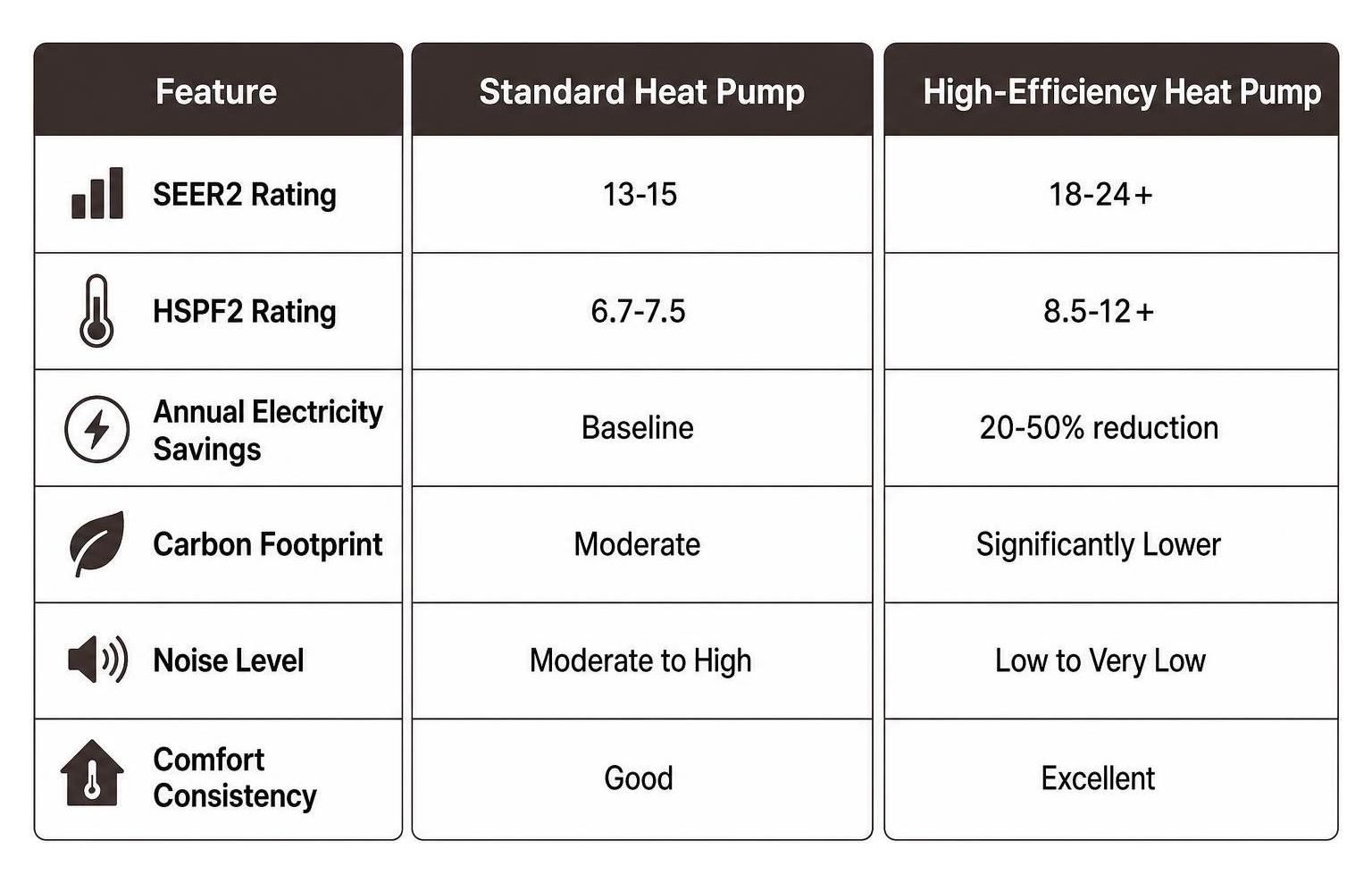
When evaluating the efficiency of a heat pump, two key metrics come into play: SEER2 ratings (Seasonal Energy Efficiency Ratio 2) for cooling and HSPF2 ratings (Heating Seasonal Performance Factor 2) for heating. These updated ratings, introduced in 2023, provide a more accurate measure of a system’s real-world energy performance. Higher SEER2 and HSPF2 numbers indicate greater efficiency, meaning the unit can deliver more heating or cooling output per unit of electricity consumed. Upgrading from an older system with a low SEER or HSPF to a modern, high-rated heat pump can lead to substantial savings on your electricity bill each month.
Environmental Impact of Energy-Efficient HVAC Upgrades
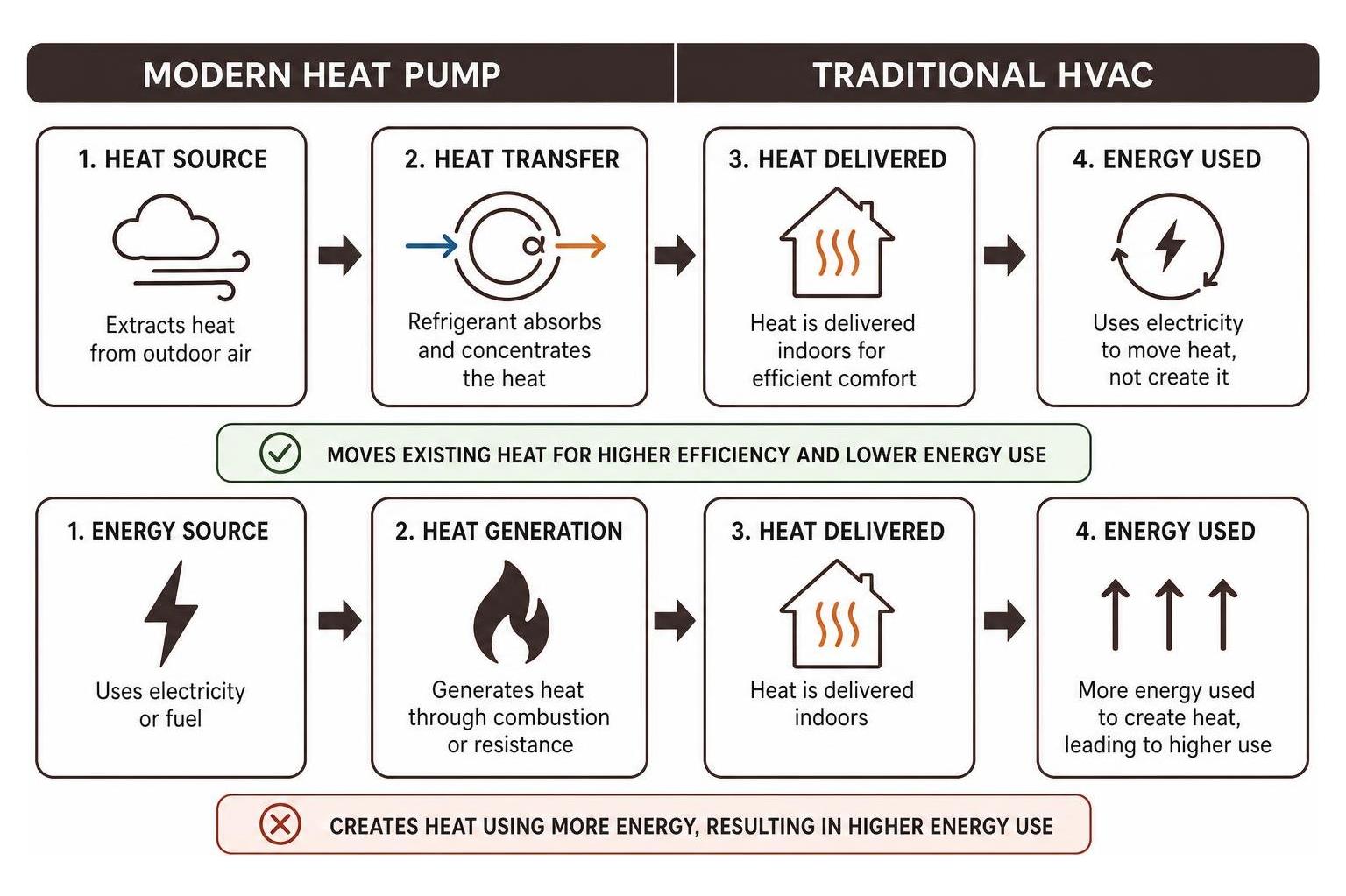
Beyond the immediate financial benefits, upgrading to energy-efficient HVAC systems, especially heat pumps, offers significant environmental advantages. These systems play a crucial role in reducing your household’s carbon footprint. By drawing heat from the air or ground rather than generating it through combustion, heat pumps are inherently more eco-friendly than traditional furnaces. When powered by renewable electricity, their carbon emissions can be virtually eliminated.
Another important aspect is the use of eco-friendly refrigerants. Older HVAC units often relied on refrigerants with high global warming potential. Modern heat pumps are increasingly using refrigerants that are less harmful to the ozone layer and contribute less to climate change, reflecting industry advancements and regulatory changes aimed at environmental protection.
The core principle of these systems is energy conservation. By optimizing their operation and minimizing waste, they reduce the overall demand for electricity. This collective reduction in energy consumption across many homes contributes to a decreased reduced grid load, lessening the strain on power plants and the need for new energy infrastructure. In the long run, this translates to a more sustainable energy ecosystem for communities like Hillsboro.
Feature Standard Heat Pump Energy Consumption High-Efficiency Heat Pump Energy Consumption SEER2 Rating 13-15 18-24+ HSPF2 Rating 6.7-7.5 8.5-12+ Annual Electricity Savings Baseline 20-50% reduction Carbon Footprint Moderate Significantly Lower Noise Level Moderate to High Low to Very Low Comfort Consistency Good Excellent
Key System Technologies Powering Modern Efficiency
The leap in HVAC efficiency isn’t just about better insulation; it’s driven by sophisticated technologies that allow systems to operate more intelligently and adaptively.
At the heart of many high-efficiency heat pumps are variable-speed compressors. Unlike single-stage compressors that are either fully on or fully off, variable-speed technology allows the compressor to adjust its output precisely to meet the heating or cooling demand. This means it can run at lower speeds for longer periods, maintaining consistent temperatures, reducing energy spikes, and operating much more quietly.
The reversing valve is a critical component unique to heat pumps. It’s what allows the system to switch between heating and cooling modes by changing the direction of refrigerant flow. In modern systems, these valves are designed for durability and seamless transition, ensuring reliable year-round performance.
Smart thermostats act as the brain of the modern HVAC system. These devices learn your preferences, can be controlled remotely via smartphone apps, and integrate with other smart home technologies. They optimize scheduling, monitor energy usage, and can even adjust settings based on occupancy or local weather forecasts, further enhancing efficiency and convenience.
Dual-fuel integration offers an ingenious solution for colder climates. This technology combines a heat pump with a traditional gas furnace. The heat pump handles most of the heating demand efficiently, but when outdoor temperatures drop below a certain point (where the heat pump’s efficiency might decrease), the system automatically switches to the furnace for supplemental heat. This ensures optimal comfort and cost-effectiveness in all conditions.
Finally, zoned cooling and heating allow for individualized temperature control in different areas or “zones” of your home. This is achieved through a network of dampers in the ductwork, controlled by separate thermostats. Instead of heating or cooling the entire house to one temperature, you can direct conditioned air only where it’s needed, drastically reducing energy waste and increasing personalized comfort.
Heat Pump Innovations for Year-Round Climate Control
Hillsboro’s climate, with its specific blend of cool, damp winters and warm summers, makes heat pumps an ideal choice for year-round comfort. Modern heat pumps incorporate several innovations that make them incredibly effective in these conditions.
Inverter technology is a game-changer, working hand-in-hand with variable-speed compressors. It allows the motor speed to be continuously adjusted, rather than cycling on and off. This results in incredibly precise temperature control, quieter operation, and significantly higher energy efficiency, as the system only uses the exact amount of power needed.
Automated defrost cycles prevent ice buildup on the outdoor coil during cold weather, which can impede efficiency. Newer systems have intelligent defrost mechanisms that activate only when necessary, minimizing energy use and ensuring continuous heating performance without manual intervention.
Perhaps one of the most significant advancements is improved cold-climate operation. Historically, heat pumps were less efficient in very low temperatures. However, innovations in refrigerant technology and compressor design mean that many modern heat pumps can now provide effective heating even when temperatures dip well below freezing, making them a viable primary heating source in regions previously thought too cold.
Dual-stage heating (and cooling) refers to systems that can operate at two different capacity levels. For instance, they might run at 60-70% capacity for most of the time, providing gentle, consistent heating. When temperatures drop significantly, they can switch to 100% capacity. This two-stage approach balances efficiency with the ability to handle extreme conditions.
For homeowners in Hillsboro seeking to leverage these cutting-edge technologies, partner with professionals who specialize in these systems. Expert guidance, from selecting the right model to ensuring precise installation and ongoing maintenance, is key to maximizing the benefits of these advanced units. We encourage you to learn more about comprehensive energy-efficient HVAC services to ensure your system performs optimally for years to come.
Advanced Air Filtration and Humidity Management
Beyond temperature control, modern HVAC systems, particularly high-efficiency heat pumps, contribute significantly to superior indoor air quality (IAQ). Given that we spend a substantial portion of our lives indoors, the air we breathe at home has a direct impact on our health and well-being.
Advanced HVAC units now incorporate sophisticated multi-stage filtration systems. Moving beyond basic disposable filters, these systems can include MERV-rated (Minimum Efficiency Reporting Value) filters that capture smaller particles, such as dust mites, pet dander, pollen, and even some bacteria and viruses. Some systems also integrate UV lamps or electronic air purifiers to neutralize airborne pathogens and odors, providing a cleaner, healthier living environment. This is especially beneficial for those with allergies or respiratory sensitivities.
Effective moisture balancing or humidity management is another critical aspect. In Hillsboro, managing humidity can be a year-round concern. Too much humidity in the summer can make the air feel muggy and promote mold growth, while too little in the winter can lead to dry skin, static electricity, and increased susceptibility to illness. Modern heat pumps, often paired with smart thermostats, can actively monitor and adjust humidity levels, either removing excess moisture during cooling cycles or adding it back in during heating (with compatible humidifiers), ensuring optimal comfort and preventing issues related to extreme humidity.
The combined effect of superior filtration and precise humidity control leads to significant allergen reduction and a generally fresher, more comfortable indoor atmosphere. This holistic approach to indoor climate control is a hallmark of energy-efficient HVAC upgrades, transforming your home into a healthier sanctuary.
Financial Incentives, Rebates, and Long-Term ROI
Upgrading to an energy-efficient HVAC system is a significant investment, but one that often comes with substantial financial support and long-term returns. The good news for homeowners in Hillsboro is that there are various programs designed to make these upgrades more accessible.
Federal programs, such as the federal tax credits available through the Inflation Reduction Act of 2022, offer considerable incentives for installing high-efficiency heat pumps and other energy-saving home improvements. These credits can significantly reduce the upfront cost of your new system, making the decision to upgrade even more appealing. It’s always advisable to consult with a tax professional or your HVAC provider to understand your eligibility and how to claim these benefits.
In addition to federal incentives, many local utility rebates are available through providers like Portland General Electric (PGE) or Pacific Power. These rebates often target specific energy-efficient equipment, such as high-SEER2/HSPF2 heat pumps, and can provide direct cash back or credits on your utility bill. Combining federal tax credits with local utility rebates can lead to substantial savings, making a high-efficiency system surprisingly affordable.
Beyond these immediate savings, an energy-efficient HVAC system contributes to a strong equipment lifespan. With proper installation and regular maintenance, these durable units are designed to last, pushing the average lifespan of a heat pump to 15 years or more. This means fewer repair costs and a longer period of efficient operation before needing replacement.
Finally, an upgraded, energy-efficient HVAC system can enhance your home’s property value. Potential buyers are increasingly looking for homes with modern, efficient systems that offer lower operating costs and superior comfort. This investment not only pays dividends in energy savings but also makes your home more attractive and valuable in the competitive Hillsboro real estate market.
Maximizing Equipment Lifespan with Preventative Care
While installing a high-efficiency heat pump is a smart investment, its long-term performance and lifespan are heavily dependent on consistent preventative care. Regular maintenance is not just about fixing problems; it’s about preventing them and ensuring your system runs at peak efficiency for as long as possible.
We recommend scheduling annual tune-ups for your heat pump. Given that heat pumps serve both heating and cooling functions in Hillsboro’s climate, they work hard year-round. A professional tune-up, ideally performed before the peak heating or cooling season, allows technicians to identify and address minor issues before they escalate into costly breakdowns.
A comprehensive tune-up typically includes several critical checks. Technicians will perform an electrical inspection, ensuring all wiring and connections are secure and safe, and checking components like capacitors and contactors for wear. Coil cleaning is essential, as dirty indoor and outdoor coils can severely impede heat transfer and reduce efficiency. They will also verify the refrigerant charge to ensure it’s at optimal levels, as low refrigerant can lead to poor performance and potential compressor damage. Finally, airflow optimization involves checking ductwork for leaks, ensuring proper fan operation, and confirming that air filters are clean and correctly installed.
By adhering to a schedule of professional maintenance, you not only extend the lifespan of your heat pump but also maintain its energy efficiency, ensuring it continues to provide reliable, cost-effective comfort for 15 years or more.
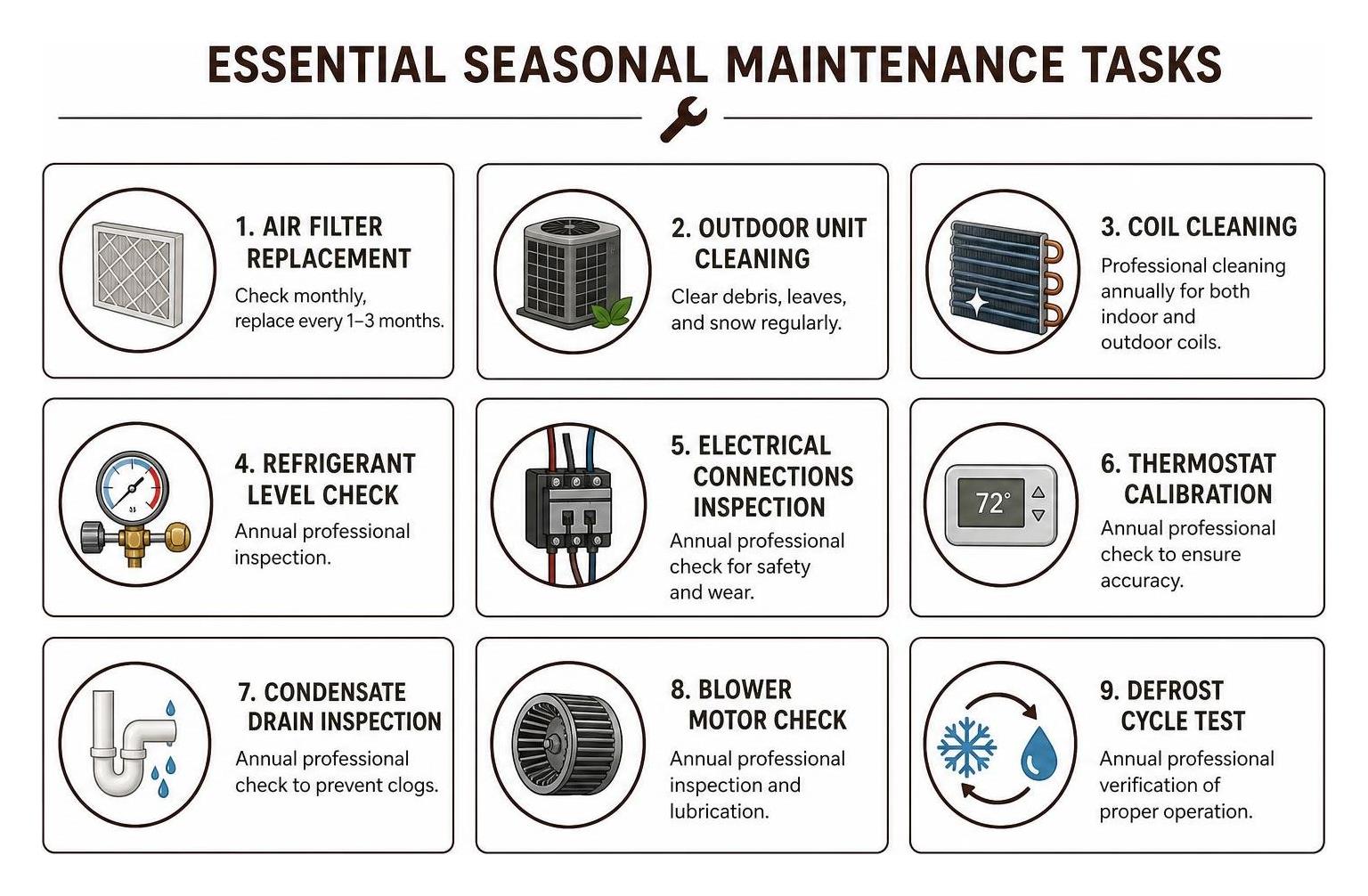
- Air Filter Replacement: Check monthly, replace every 1-3 months.
- Outdoor Unit Cleaning: Clear debris, leaves, and snow regularly.
- Coil Cleaning: Professional cleaning annually for both indoor and outdoor coils.
- Refrigerant Level Check: Annual professional inspection.
- Electrical Connections Inspection: Annual professional check for safety and wear.
- Thermostat Calibration: Annual professional check to ensure accuracy.
- Condensate Drain Inspection: Annual professional check to prevent clogs.
- Blower Motor Check: Annual professional inspection and lubrication.
- Defrost Cycle Test: Annual professional verification of proper operation.
Frequently Asked Questions About HVAC Modernization
As homeowners in Hillsboro consider upgrading or maintaining their heat pump systems, several common questions often arise. We aim to provide clear, concise answers to help you make informed decisions about your home’s comfort and efficiency.
How long does an energy-efficient heat pump typically last?
With proper installation and consistent preventative maintenance, an energy-efficient heat pump can typically last 15 years or more. Several factors influence this system lifespan, including the quality of the initial installation, the frequency and thoroughness of maintenance, the climate it operates in, and the quality of the unit’s component durability. Regular professional tune-ups, at least once a year, are crucial for reaching and even exceeding this 15-year benchmark, ensuring the system runs efficiently and reliably throughout its operational life. Neglecting maintenance can significantly shorten its lifespan and lead to premature breakdowns.
When is it better to replace rather than repair an older system?
Deciding between repairing an existing heat pump and replacing it with a new, energy-efficient model can be a complex decision. We often recommend considering replacement when your system approaches the 10-to-15 year age threshold. At this point, components may start to wear out more frequently.
A good rule of thumb is the 50-percent rule: if the cost of a repair is 50% or more of the cost of a new system, replacement is generally the more economical choice in the long run. Additionally, if you’re experiencing frequent repairs, especially multiple times within a year or two, the cumulative cost can quickly outweigh the investment in a new unit.
Another key indicator is persistently rising energy bills. If your heat pump is struggling to maintain comfort and consuming more electricity than it used to, it’s a sign that its efficiency has degraded significantly. An older system that can no longer maintain consistent temperatures throughout your home, despite repairs, is also a strong candidate for replacement. Modern, energy-efficient systems offer superior performance, lower operating costs, and enhanced comfort that an aging unit simply cannot match.
What financial incentives are available for high-efficiency system upgrades?
Homeowners in Hillsboro have several avenues for financial support when upgrading to high-efficiency heat pump systems. The federal government, through the Inflation Reduction Act (IRA), offers significant tax credits for qualifying energy-efficient home improvements, including the installation of high-efficiency heat pumps. These credits can reduce your tax liability dollar-for-dollar, making the initial investment more manageable.
In addition to federal incentives, various utility rebates are often available from local energy providers like Portland General Electric (PGE) and Pacific Power. These programs are designed to encourage energy conservation and typically offer direct rebates or bill credits for installing specific high-SEER2/HSPF2 heat pump models. Eligibility requirements vary, so it’s always best to check with your local utility company or consult with your HVAC professional to understand which programs apply to your situation. Taking advantage of these incentives can lead to substantial upfront savings, making the transition to a more energy-efficient and comfortable home much more affordable.
Conclusion
The journey to optimal home comfort and efficiency in Hillsboro, OR, often leads to the strategic decision of upgrading to an energy-efficient HVAC system, particularly a modern heat pump. As we’ve explored, the benefits are multifaceted, offering significant long-term value that extends beyond mere temperature control. From the immediate relief of reduced utility bills to the enduring satisfaction of sustained comfort throughout the year, these systems are a wise investment.
Beyond the personal advantages, choosing an energy-efficient heat pump contributes to a broader goal of carbon reduction, aligning with environmental stewardship and promoting a healthier planet. It’s a choice that reflects both financial prudence and ecological responsibility.
Investing in a high-efficiency HVAC system is a strategic investment in your home’s future, enhancing its value, comfort, and sustainability. To ensure these benefits are fully realized, remember the critical role of professional installation and consistent scheduled maintenance. By taking these steps, you secure a comfortable, efficient, and environmentally friendly home for many years to come.