Start With the Kind of Play You Want to Encourage
A memorable playground is more than a collection of colorful objects bolted to the ground. It is a tiny outdoor universe where children become mountain climbers, ship captains, explorers, inventors, and occasionally very determined owners of one particular swing.
Determine what play the venue supports before buying equipment. Play can include climbing, sliding, swinging, balancing, and sprinting. Themed panels, playhouses, storefronts, and forts can be used in imaginative play. Cozy areas, sensory items, shaded sitting, or low platforms for youngsters to watch may be needed for quiet play.
A good playground gives kids many options. Some run toward the tallest climbing wall like dragons. Some like a musical panel, sand table, or mild rocking feature. Variety keeps the playground from becoming a one-attraction show where everyone waits for the slide while the other equipment wonders what went wrong.
Design the Space Around Movement
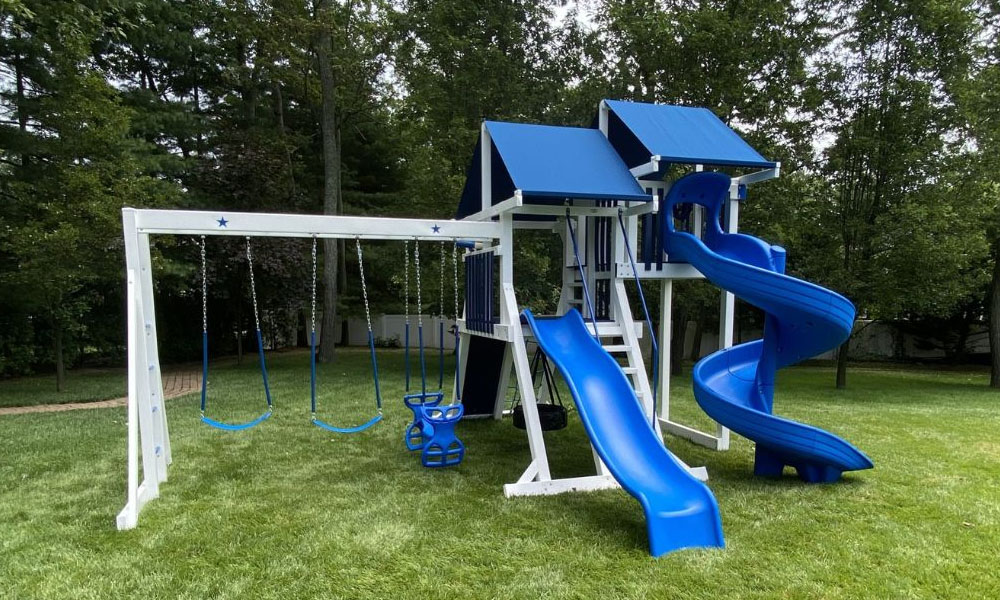
Instead than driving kids into traffic bottlenecks, the layout should encourage natural movement. Swings and running routes should be separated from quieter features. Swings need plenty of space in front and behind, and slides need an unobstructed exit where kids can slow down without being interrupted.
Create clear routes between major play zones. Children should be able to reach a climbing structure, move toward a slide, and return to the main area without crossing directly through a swing path. Good circulation reduces collisions and makes supervision easier for adults.
Think vertically and horizontally. When equipped with levels, vantage spots, ramps, tunnels, and elevated platforms, a small location feels larger. Height should be chosen carefully. A well-designed lower structure with nets, stepping features, balance beams, and inventive pathways can be just as challenging as a towering structure.
Leave room for access. Wide walkways, transfer platforms, ramps, and ground-level activities allow children with mobility issues to play. Accessibility should be more than a playground edge feature. It works best when the whole space is an inviting play area.
Build for Different Ages and Abilities
Even at the same age, kids play differently. A four-year-old may boldly climb while another negotiates peace treaties with the bottom step. Equipment should offer varying obstacles so kids can choose an engaging but not overpowering activity.
For younger children, look for short platforms, gentle slides, protected climbing steps, crawl-through spaces, and activity panels close to the ground. These features encourage exploration while helping children develop balance and confidence.
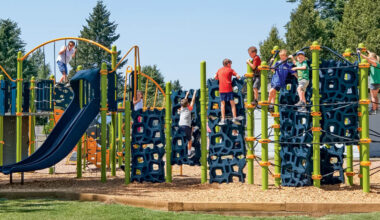
Older children often seek greater challenge. Taller climbing routes, overhead traverses, spinning elements, adventurous bridges, and complex play structures can test strength and coordination. The best equipment allows children to progress. A beginner may use a low climbing wall today and attempt a more demanding route after several weeks of practice.
Inclusive play places should also accommodate children who dislike height, speed, or noise. Ground-level games, shaded sensory stations, musical equipment, and quiet seats can help sensory-sensitive children. A playground is more successful when children don’t have to share the same excitement.
Choose Equipment That Creates Play Stories
Equipment becomes more engaging when it invites children to invent a story. A plain platform can become a lighthouse, castle tower, space station, or secret headquarters depending on the current mission. Add elements that encourage pretend play, such as steering wheels, shop counters, telescopes, talking tubes, signs, and themed panels.
Because they blend physical challenge with imagination, climbing structures are useful. Bridges can be dangerous jungle crossings. Tunnels can be caves. A serious rescue operation involving three stuffed animals and a lost snack can be led from a lookout deck.
Slides provide speed and cause and effect, but they can be paired with other activities to create a complete play sequence. A child might climb through a net, cross a bridge, descend a slide, and then use a ground-level panel to continue the story. This type of connected play keeps children moving and encourages them to return to the structure in new ways.
Sensory features add another layer. Outdoor drums, chimes, textured panels, water channels, sand tables, and color games can support curiosity without requiring a race to the top of anything. They are also useful for children who prefer hands-on discovery over vigorous physical activity.
Treat Surfacing as Part of the Design
The surface beneath playground equipment is not merely decoration. It is a safety feature, an accessibility feature, and a maintenance responsibility rolled into one.
Loose-fill options such as engineered wood fiber, sand, or rubber mulch can cushion falls when installed at the appropriate depth. These materials require routine raking and replenishment because weather and enthusiastic little feet gradually move them away from high-use areas.
Unitary surfaces, including poured rubber and rubber tiles, provide a more consistent path for wheelchairs, walkers, and strollers. They can also create a polished visual appearance with patterns, shapes, and bright colors. Their performance depends on proper installation and regular inspection for cracks, lifting, or worn areas.
Consider drainage before choosing a surface. Water under equipment can cause mud, undermine the base, and convert a play area into a swamp. Proper site preparation keeps the playground useable after rain and prevents equipment damage.
Select Materials for the Local Environment
A playground in a hot, sunny region faces different challenges from one in a cold, wet, or coastal setting. Materials should be selected with the local climate in mind.
Maintenance of coatings prevents corrosion in metal frames, which are strong and durable. Shade and surface selection are important since metal surfaces might get too hot in direct sunshine. Plastic components can be molded into creative designs and are nice to touch, but they still need heat and UV protection.
Wood creates a warm, natural appearance and can blend beautifully with parks and gardens. It requires careful inspection for splinters, cracking, rot, and moisture damage. Any finish or treatment should be appropriate for frequent contact with children.
Fasteners, chains, connectors, and moving parts deserve special attention. A playground can look perfectly cheerful while a loose bolt quietly plans a career in chaos. Choose components designed for outdoor use and inspect them regularly for looseness, rust, sharp edges, and excessive wear.
Add Shade, Seating, and Practical Comfort
Children may be the stars of the playground, but adults need a functional place to supervise them. Benches positioned with clear views across the play area encourage attentive supervision. Add tables or ledges for snacks, bags, and the mysterious collection of stones that seems to accompany every family outing.
Trees, canopy structures, shade sails, and covered play items provide shade. It shields kids from direct sunlight and cools the environment in summer. Shade over sitting is also vital because adults are more inclined to stay nearby while not scorching beside the swings.
When planning a larger site, consider water, trash, lighting, fence, and facilities. They may not make dramatic photos, but they make the playground easier to use and maintain. Wrappers soon invade a nice playground without a bin.
Plan Maintenance Before Opening Day
Maintenance should begin with a written schedule rather than a vague promise to check things eventually. Assign routine inspections to specific people and record what they find.
Daily or frequent checks can identify broken parts, litter, standing water, damaged surfacing, and obvious hazards. More detailed inspections should examine fasteners, welds, anchors, moving parts, protective coatings, drainage, and the condition of platforms and barriers.
Keep manufacturer instructions, installation information, and replacement part details in an organized location. When a component needs attention, accurate records prevent guesswork and help repairs happen faster.
Cleaning also matters. Dirt, food residue, pollen, and bird activity can build up on surfaces and create hygiene concerns. Use cleaning methods suitable for the materials, and pay special attention to handholds, panels, seats, and enclosed areas.
FAQ
How many types of equipment should a playground include?
There is no universal number, but a balanced playground usually combines several play experiences. Include opportunities for movement, climbing, balance, imaginative play, sensory exploration, and rest. A smaller site can still feel rich when each feature serves more than one purpose.
Is it better to buy one large play structure or several smaller pieces?
A large structure can create an exciting central attraction, while separate pieces allow more flexible circulation and easier access for different ages. The best choice depends on the site, budget, supervision needs, and the range of children who will use the playground.
How can a playground support children with mobility differences?
Provide firm, accessible routes to ground-level activities and include ramps, transfer platforms, inclusive swings, accessible tables, and interactive features positioned within reach. Connecting these elements to the main play area helps children participate alongside their peers.
What should adults inspect most often?
Check for loose hardware, damaged surfacing, sharp edges, broken components, unstable posts, worn chains, and blocked drainage. Pay close attention to high-use areas such as swing seats, slide exits, climbing grips, and entry points.
Does playground theming improve play value?
A theme can make equipment more inviting and encourage pretend play, but it is not a substitute for good design. The most effective themed playgrounds combine visual storytelling with varied physical challenges, sensory activities, and accessible features.