Installing a new furnace gives your home a heating system suited to its specific structure. Proper sizing, ductwork, electrical connections, and venting all affect the finished installation and performance. Professional furnace installation includes system checks after the equipment is connected. Here are four benefits that come from professional furnace installation:
Improve Furnace Sizing
Your home’s size and layout affect the heating capacity a new furnace needs. Square footage provides one measurement, but insulation and window placement also affect heating requirements. A detailed load calculation brings those factors together before equipment selection.
An oversized furnace may cycle more frequently than intended, while an undersized unit may struggle during colder conditions. Proper sizing matches the equipment with the home’s heating requirements. The calculation also accounts for characteristics that differ between individual homes.
Insulation affects how much heat remains inside your home during winter. Windows also influence heat transfer, particularly around larger glass areas. Professional sizing evaluates these details before the furnace is integrated into your heating system.
Improve Air Distribution
A furnace produces heat, and ductwork determines how that heated air moves through your home. Professionals address existing ducts when their condition affects airflow or installation requirements. Duct modifications also accommodate the dimensions and connections of new equipment.
Sealed connections help limit unwanted air loss within the duct system. Changes to the duct layout may address rooms receiving less heated air than other areas. Proper distribution gives each section of your home access to the heating system’s output.
Support Indoor Air Quality
Your heating system also interacts with the air moving throughout your home. Filtration systems capture airborne particles as air passes through the HVAC system. Whole-home air cleaners provide another approach to treating circulating indoor air. The following options may be incorporated into a broader heating and air quality setup:
- Advanced filtration systems capture particles within circulating air.
- Whole-home air cleaners provide additional air treatment throughout the house.
- Humidity controls address moisture levels during different heating conditions.
- Ventilation solutions introduce outdoor air while supporting indoor air management.
- Integrated controls coordinate heating equipment with selected indoor air quality components.
Heating equipment and indoor air quality solutions work within the same air distribution system. Their selection depends on existing equipment and the home’s specific air quality requirements. A professional assessment also provides an opportunity to review how these components fit together.
Verify System Operation
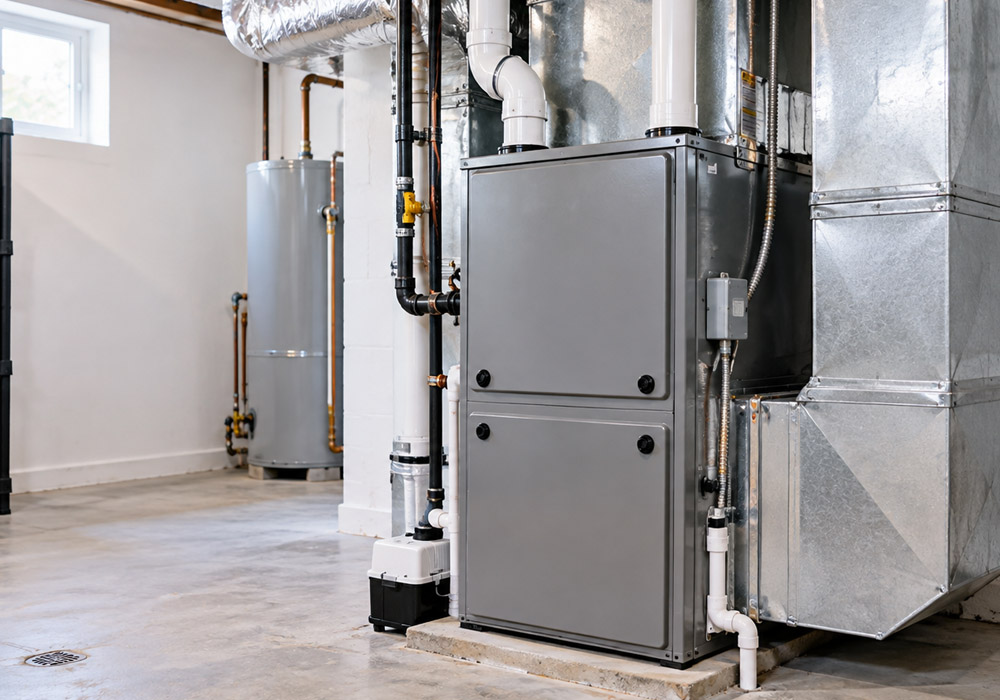
A properly completed furnace installation connects the new equipment to the home’s gas, electrical, ductwork, and venting systems. Check gas connections for proper operation and connect the electrical wiring to the furnace’s power supply. It vents combustion gas away from living spaces during installation.
Post-installation testing provides information on how the furnace will function once installed. Equipment is positioned and leveled to facilitate equipment within the designated area. System checks also detect system changes to make before it’s time to use the heating.
Regular system evaluations also help identify minor operational issues before they lead to unexpected heating failures during colder weather. Addressing minor component wear or airflow restrictions early through timely furnace repair can prevent larger equipment issues and maintain consistent heating performance throughout the winter months. Proper attention to routine maintenance ensures the entire system operates efficiently when demand is highest.
Plan Your Furnace Installation
Your home’s heating requirements may change after renovations, insulation improvements, or ductwork modifications. A furnace assessment provides an opportunity to review those conditions before selecting replacement equipment. Furnace installation also provides an appropriate time to evaluate related ductwork and indoor air quality needs. Schedule a professional assessment when you are preparing to replace your existing heating system.