Skin is the body’s largest organ, and it shields everything beneath it from heat, cold, germs, and light for decades. Over time, that steady work leaves marks. Some changes come from simple aging, while others build up from years spent outdoors, in dry air, or in busy cities.
For people in Los Gatos, where sunny days and outdoor living are part of everyday life, understanding these forces is the first step toward caring for skin in a thoughtful way.
How Light Can Help Skin That Shows Its Years
Once the causes of skin changes are clear, the natural question is what can be done about the marks that are already there. Brown spots, redness, and an uneven surface often linger even after a person improves their daily habits.
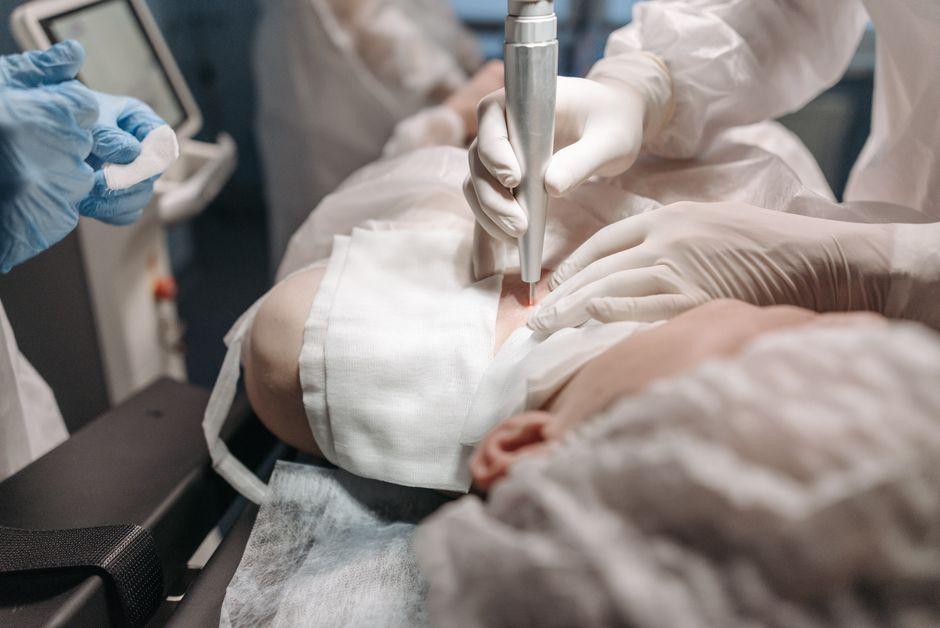
Many people find that light-based laser care can fade these spots and help the skin look clearer and more even. If you would like to know what to expect from broadband laser treatments Los Gatos has specialists who explain each step in plain terms and answer your questions clearly. A clear conversation before any session helps you feel confident about the path you choose and what lies ahead.
What the Sun Does to Skin Over Time
Sunlight carries invisible rays that reach well beneath the surface of the skin. Some of these rays cause the quick redness of a sunburn, while others work more slowly and go deeper. The deeper rays break down the fibers that keep skin firm and springy. Once those fibers weaken, the skin begins to sag, fold, and crease more easily than it once did.
The sun also triggers the cells that make pigment. This is why freckles darken in summer and why flat brown patches appear on the face, hands, and chest after years outdoors. These patches are often called sun spots or age spots, though they come mostly from light exposure rather than age alone. The damage adds up quietly, and several changes can seem to appear at once.
The Natural Changes That Come With Age
Even skin that has been well protected changes with time. As the years pass, the body makes less of the proteins that give skin its strength and bounce. The skin becomes thinner and loses some of its ability to hold on to moisture. Cells also renew more slowly, so the outer layer can look dull and rough instead of fresh and smooth.
Fat beneath the skin shifts and shrinks as well. This can make the cheeks look hollow and cause the lower face to soften along the jaw. Oil glands become less active, which leaves many people with drier skin than they had when they were younger. These changes are a normal part of life, but they mean skin needs gentler care as the years go on.
Everyday Environmental Stress on the Skin
Beyond sunlight and age, the world around us also affects how skin looks and feels. Air pollution leaves tiny particles on the skin that can cause irritation and speed up visible aging. Smoke, whether from cigarettes or from wildfires, carries harmful substances that weaken the skin’s natural defenses and dull its color.
Weather plays a part too. Cold wind and low humidity pull water out of the skin and leave it tight, flaky, and sensitive. Heated rooms in winter and cooled rooms in summer both dry the air indoors. When these stresses repeat day after day, the skin has less time to repair itself, and small problems can grow into lasting ones.
Signs That Skin Needs Extra Attention
Knowing what to watch for helps people act before minor changes become harder to manage. Common signs include fine lines around the eyes and mouth, rough patches that do not smooth out with moisturizer, and redness that stays on the cheeks and nose. Brown spots that grow darker or spread, along with a loss of firmness, are also worth noting.
It is just as important to watch for changes that may point to a health concern rather than a cosmetic one. A mole that changes shape, size, or color, a sore that will not heal, or a spot that bleeds or itches should always be checked by a doctor. Regular skin checks at home, along with yearly visits to a skin specialist, give people the best chance of catching problems early.
Daily Habits That Protect and Strengthen Skin
The most effective way to protect skin is also one of the simplest. Wearing a broad-spectrum sunscreen every day, even when it is cloudy, blocks much of the harmful light that causes spots and wrinkles. Hats, sunglasses, and clothing that covers the arms add another layer of defense, especially during the brightest hours of the day.
A gentle daily routine also makes a real difference. Washing with a mild cleanser, applying a good moisturizer, and avoiding harsh scrubs help the skin keep its natural protective barrier strong. Drinking enough water, eating plenty of fruits and vegetables, and getting good sleep support the body’s ability to repair itself from the inside.
Building a Long-Term Approach to Healthy Skin
Healthy skin is not the result of a single product or a single visit. It comes from steady habits repeated over many years, paired with an honest look at how the skin is changing. People who pay attention to their skin and adjust their routine with the seasons tend to see better results than those who wait for problems to appear.
It also helps to set realistic goals. The aim is not to erase every line or return to the skin of a teenager. Instead, the goal is skin that feels comfortable, looks even and bright, and stays healthy enough to keep doing its important work. With patience and a consistent routine, most people can slow many of the visible effects of sun, age, and environment and feel more at ease in their own skin for years to come.