If you’re thinking about updating your bathroom, you’re stepping into one of the most expensive and detail-heavy home projects you can take on. A bathroom looks small, but every inch carries plumbing, electrical work, ventilation, waterproofing, and finish decisions that can affect your daily routine for years. If you’re in South Carolina, local climate, humidity, and housing styles around Greenville also shape what materials and layouts make the most sense.
Moisture Control Is Not Optional
Bathrooms fail quietly when moisture management is treated like a minor detail. Steam, splashing, and humidity can damage paint, swell trim, loosen tile assemblies, and feed mold growth behind finished surfaces. You may not notice the issue until repairs become expensive.
A remodel should include a ventilation strategy, not just a fan purchase. You need the right fan size for the room, proper ducting to the exterior, and enough runtime after showers to pull out damp air. In humid regions, this matters even more.
Waterproofing inside the shower also deserves close attention. Tile and grout are not the waterproof layer. The real protection comes from the membrane and substrate system installed beneath the finish materials.
If you’re comparing contractors for Greenville bathroom remodeling, pay attention to how they handle waterproofing, ventilation, and long-term moisture resistance, not only fixture style and visual design.
Start With the Problems You Actually Need to Solve
A smart bathroom remodel starts with friction points, not Pinterest screenshots. You need to ask what bothers you every single day. Maybe your shower feels cramped, your vanity has no storage, or the room traps moisture after every use. Those are performance issues, and they matter more than color trends.
Write down what’s failing now: poor lighting, outdated tile, water stains, weak ventilation, low water pressure, awkward layout. Then separate needs from nice-to-haves. Heated floors may sound great, but if your bathroom has mildew behind peeling caulk, waterproofing comes first.
When you define the project by function, you avoid the common mistake of spending heavily on surface upgrades while ignoring hidden systems. A better remodel usually feels easier to live with long before it looks impressive in photos.
Know Where Your Budget Usually Expands
Bathroom budgets rarely stay fixed because small rooms often hide expensive work. Once demolition begins, contractors may find subfloor rot, outdated wiring, plumbing that no longer meets code, or framing issues around an old tub or shower.
Your largest costs often come from labor-intensive categories: tile installation, plumbing relocations, custom glass, waterproofing assemblies, and cabinetry. Moving a toilet or converting a tub to a curbless shower can shift the budget quickly because those changes affect multiple trades.
You should also plan for material lead times. Specialty tile, floating vanities, quartz tops, and premium fixtures can delay a project if ordered late. A practical target is to reserve a contingency fund of 10 to 20 percent above your expected spend.
That cushion protects your decision-making. Without it, one hidden repair can force you to downgrade the parts you’ll see and use every day.
Layout Changes Matter More Than Cosmetic Upgrades
A prettier bathroom won’t help much if the room still functions badly. Layout is what controls movement, accessibility, storage, and how open the room feels. In many remodels, the strongest upgrade is not a luxury finish but a better floor plan.
You should think about door swing, clearance in front of the vanity, shower entry width, and where towels, outlets, and lighting actually need to be. A double vanity sounds appealing, but if it leaves no elbow room or storage, it becomes a design trophy rather than a useful feature.
For many homeowners, removing a bulky garden tub frees space for a larger shower and more practical storage. In smaller bathrooms, wall-mounted vanities and recessed niches can reclaim inches that make the room feel less crowded.
Good layout decisions improve resale appeal too, because buyers notice comfort and usability almost immediately.
Choose Materials Based on Maintenance, Not Just Looks
Some bathroom materials photograph beautifully and perform poorly under daily use. Before you commit to a finish, think about cleaning, slip resistance, stain resistance, and how the product behaves in a damp environment.
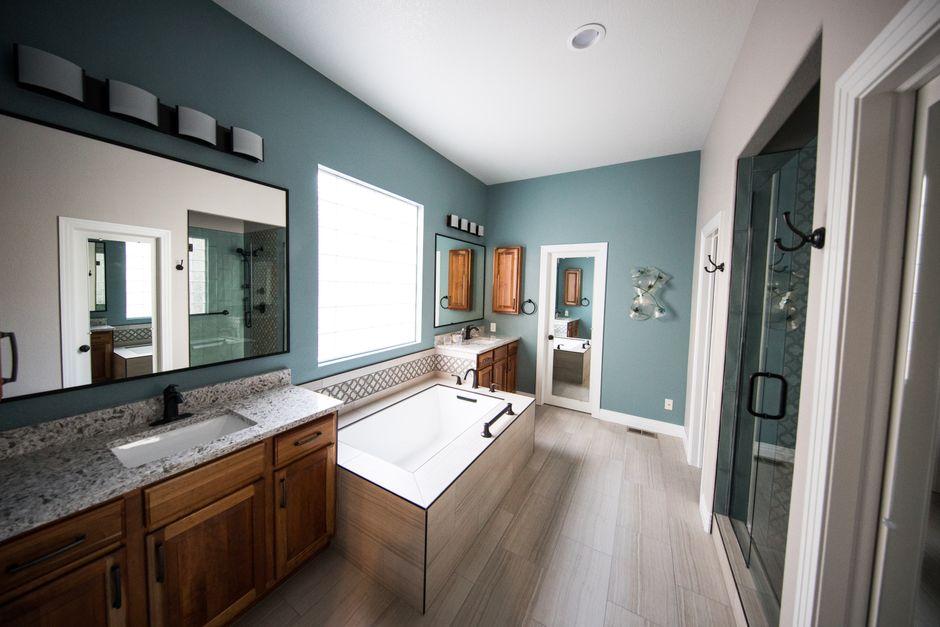
Large-format porcelain tile remains a strong option because it’s durable, low-maintenance, and available in styles that mimic natural stone or wood without the same upkeep. Quartz counters are popular for similar reasons. They resist staining better than many natural materials and hold up well under heavy use.
Matte black fixtures still look sharp, but they can show mineral buildup and fingerprints faster than brushed finishes. Textured floor tile may add traction, which matters if kids, older adults, or guests use the space regularly.
A remodel works better when the materials match your real habits. If you hate scrubbing grout lines, tiny mosaic floors and high-maintenance wall tile may wear on you fast.
Lighting Can Make or Break the Room
Bad bathroom lighting creates daily frustration. It affects shaving, makeup, grooming, cleaning, and even how clean the room appears. One ceiling fixture in the middle of the room rarely delivers balanced light where you need it.
You should think in layers. Task lighting around the mirror is essential, especially vertical fixtures or sconces that reduce harsh shadows on your face. Ambient lighting fills the room overall, while accent lighting can highlight a niche, tub wall, or floating vanity.
Color temperature matters too. Bulbs in the 2700K to 3000K range usually create a warm, flattering effect, while cooler temperatures can feel clinical in residential bathrooms. Dimmers add flexibility and make nighttime use much easier.
If your remodel includes new electrical work, add outlets where they support your routine. Think hair tools, electric toothbrushes, bidet seats, and charging needs, not just minimum code placement.
The Best Remodels Balance Current Living and Future Use
A bathroom remodel should fit your life now while still making sense five or ten years from today. That doesn’t mean turning every project into an aging-in-place build, but it does mean making choices that preserve flexibility.
A low-threshold shower, wider entry, blocking for future grab bars, comfort-height toilet, and easy-clean surfaces can all support long-term usability without making the room look institutional. If you plan to stay in your home, these details can become major advantages later.
Resale also matters, even if you’re not listing soon. Buyers pay attention to bathrooms because they signal how well the home has been maintained. Clean lines, durable finishes, efficient storage, and quality workmanship tend to hold broader appeal than trend-heavy design choices.
The strongest bathroom remodels are the ones you can feel every morning: better light, less clutter, easier cleaning, stronger ventilation, and a layout that finally works the way it should.