Most weeknights end the same way. Dinner’s done, the laptop’s closed, and the phone comes out. An hour later you’re still scrolling, and you don’t feel any more rested than when you started.
A hands-on, low-pressure hobby works better than another feed. It gives your hands something to do, gives your attention one small job, and ends with something you can see. You don’t need talent for it. This guide covers how to pick a project, what the research does and doesn’t say about creative time, and how to turn a one-off try into a habit that lasts.
Choosing a Project You Actually Care About
The best first project is one with an emotional pull. A favorite photo of a dog, a trip you still talk about, or a grandparent’s porch will keep you going far longer than a generic scene ever will. Many beginners who say “I can’t draw” start with customizable paint by numbers, where the numbered canvas is built from a photo they already love, so the work feels personal from the first stroke.
Whatever format you choose, a few rules keep the first attempt enjoyable:
- Pick a subject with moderate detail. A close-up of a face or a busy street scene can wear out your patience.
- Start small. A huge canvas is a commitment, and a small one is an experiment.
- Choose colors you like looking at, since you’ll be staring at them for hours.
What Research Actually Says About Creative Time
The evidence is encouraging, but it’s early. In a 2016 Drexel University study led by Girija Kaimal, 39 participants spent about 45 minutes making art, and 73 percent reported a gain in self-efficacy afterward, meaning their belief that they could handle a task. The group also reported more positive and less negative feelings.
Stress hormones show a similar pattern. According to the University of Arizona Health Sciences, more than 80% of arts-based interventions in a large review reported reduced stress, and the same 45-minute art-making session has been linked to lower cortisol. University of Arizona researcher Yunjia Yang, PhD, puts it plainly: “It’s not about talent. It’s about giving your nervous system a chance to slow down.”
Now the limits. The Drexel study was small, and the cortisol finding comes from a single small session study. Reviews of arts interventions also mix many activities, so none of this isolates painting specifically. A creative hobby isn’t a treatment, and it doesn’t replace professional care if you’re struggling. My position: the benefit is real enough to try and modest enough not to oversell.
Why Structure Helps Beginners
A blank canvas is intimidating. You have to decide what to paint, where to start, and which colors to mix, all before you’ve made a single mark. That’s decision fatigue dressed up as art.
Guided projects remove most of those choices. You work on one small area at a time, you know what comes next, and you can see progress after every sitting. That’s my reasoning rather than a proven result, but it fits what Yang describes: a task that’s calm and absorbing enough to let your attention settle. Structure lowers the bar to starting, and starting is where most hobbies die.
Setting Up a Space You’ll Actually Use
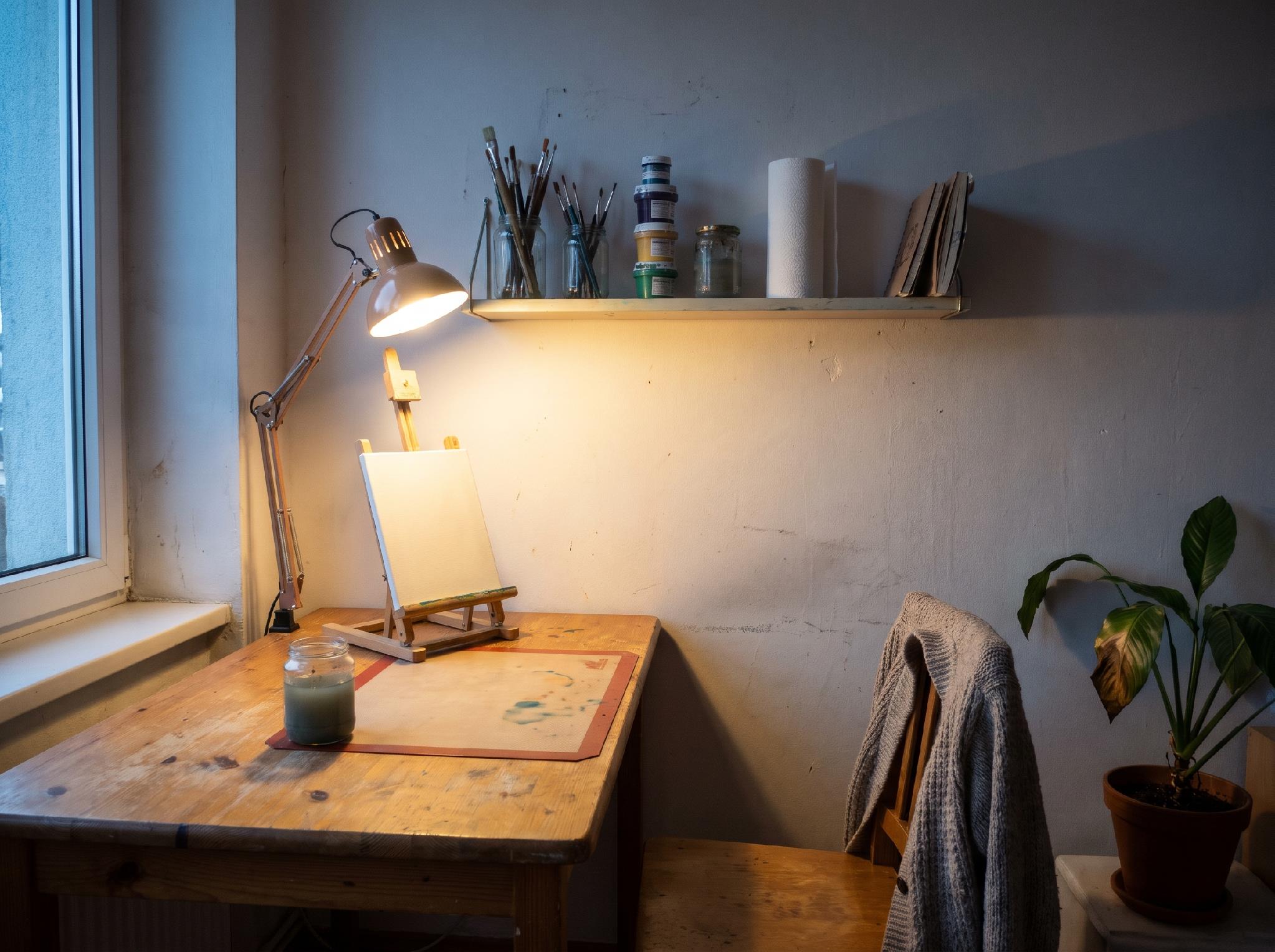
You don’t need a studio. You need a corner you won’t have to rebuild every time. A short checklist covers it:
- Light: Position a lamp or a window so your hand doesn’t cast a shadow on the canvas.
- Table height: Sit comfortably with your forearms level, or your shoulders will complain within twenty minutes.
- Sound: Choose music, a podcast, or silence, whichever keeps your mind from drifting back to work.
- Phone: Put it in another room. This matters more than any supply.
- Supplies: Keep brushes and paints visible. Out of sight means out of mind.
- Cleanup: Use a lidded jar for water and a washable mat, so stopping takes two minutes.
Sessions of 20 to 45 minutes work well. Even professional artists recognize the value of setting aside dedicated time for creative work. As explored in our profile of printmaker Polly Gough, she creates detailed collagraph prints through a patient process of layering materials, applying ink, and working with a printing press. Her approach shows how creativity can thrive through steady, focused effort rather than rushing to finish.
Where Finished Pieces Go
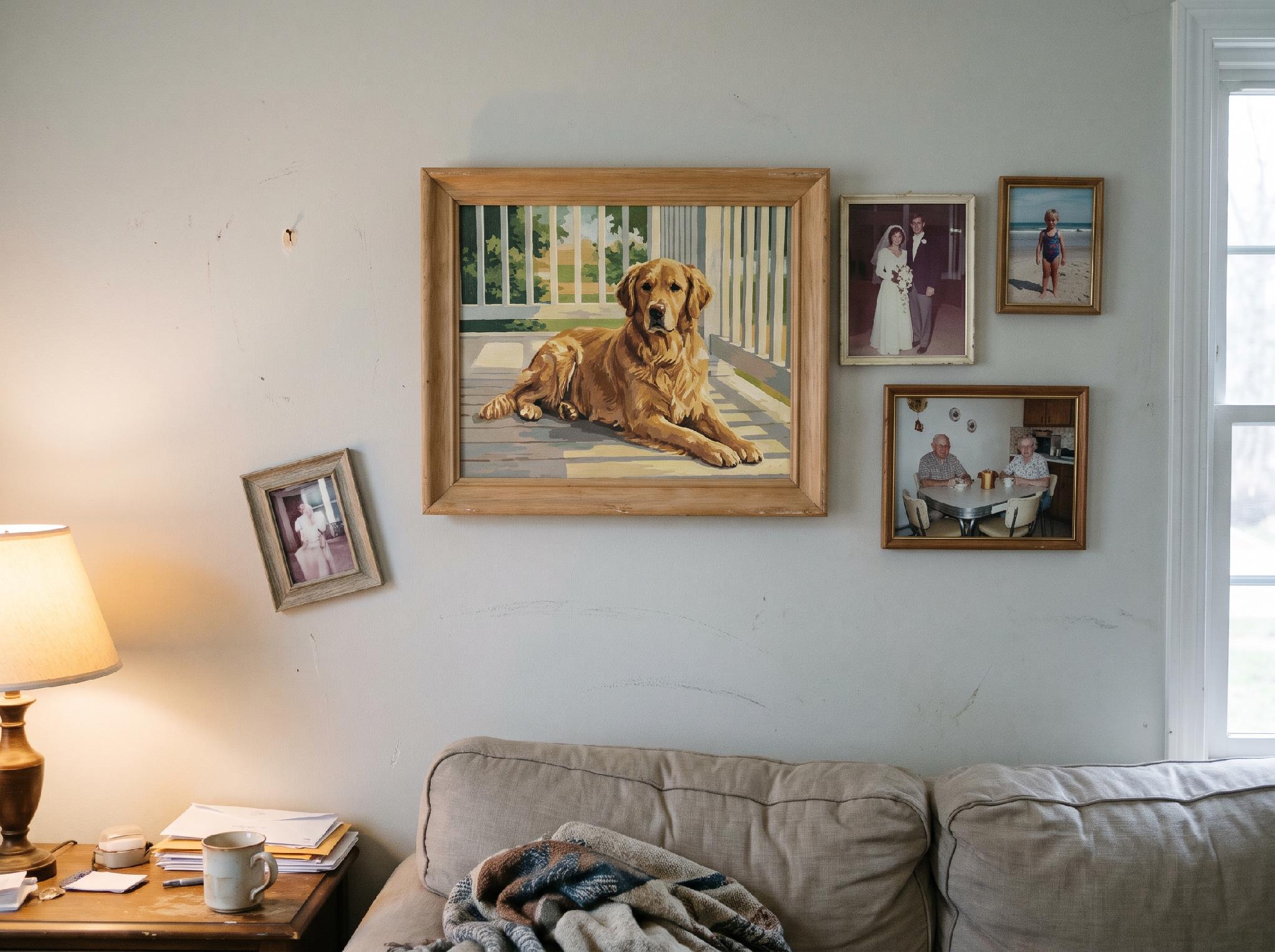
A finished piece deserves a spot. Framing it makes the effort feel real, and hanging it next to family photos ties the hobby to the people it reminds you of. You can also give pieces as gifts or rotate them on a small gallery wall. Our guide to displaying personal pieces in a themed room has layout ideas that work for any collection.
It’s not relaxing for everyone. Fine detail can strain your eyes, long sessions can tire your hands, and perfectionists may find that counting stray brushstrokes only adds stress. Good lighting, regular breaks, and larger numbered areas help. If it still feels like a chore after a few sessions, try a different medium rather than force it.
Making the Habit Stick
Pick the same time each week and protect it. Set small goals, such as finishing one color region per sitting, and pair the session with a podcast you save for it. Share progress photos with a friend, or swap projects once you’ve both finished. If you want company, local workshops are a good test; our look at gallery hopping and hands-on workshops in Park City shows how much a community can add.
Your First Step
Pick one project, one corner, and 30 minutes this week. Put the phone in another room before you start. If the first session feels awkward, that’s normal; the second is almost always easier.