A business facility may look calm from the outside, but behind the scenes, an entire orchestra is performing. Air conditioners hum, lights blink, floors sparkle, doors lock, networks communicate, lawns behave themselves, and trash disappears as if it has accepted a mysterious invitation to leave.
When these systems work together, employees can focus, customers feel comfortable, and managers avoid receiving seventeen urgent messages before breakfast. Facility services are not merely background chores. They form the operational backbone of a business, protecting its people, preserving its property, and supporting everyday productivity.
Clean Spaces Create Better Workdays
Cleanliness affects far more than appearances. A dusty reception desk, overflowing bin, or suspiciously sticky break room floor can change the mood of an entire workplace. People notice the condition of their surroundings, even when they do not consciously discuss it.
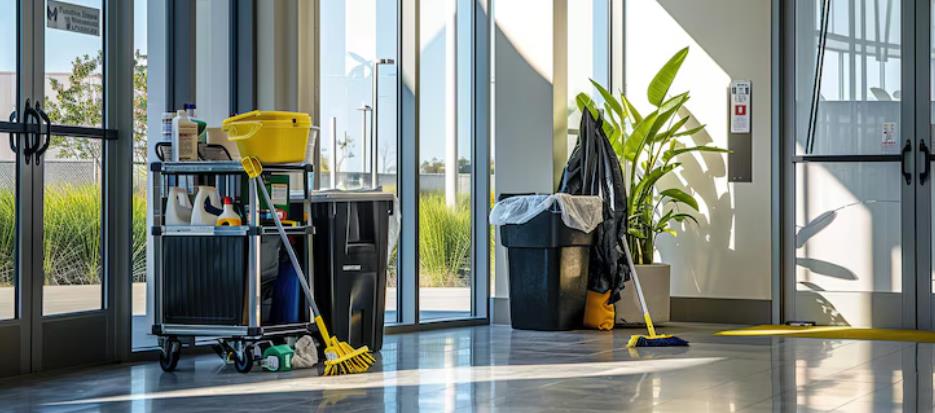
Professional cleaning teams can handle the routine work that keeps a facility pleasant and sanitary. This may include disinfecting shared surfaces, cleaning restrooms, vacuuming carpets, washing windows, and caring for kitchens or dining areas. A dependable cleaning schedule also helps reduce the spread of germs in places where many people touch the same handles, buttons, counters, and coffee machine controls.
Psychological benefits exist. An organized setting aids concentration. Clutter and wondering if the break room sink is a science experiment are less likely to disrupt employees’ mornings. Customers associate cleanliness with professionalism. Carefully maintained facilities show that the business pays attention to details.
Preventive Care Beats Emergency Panic
Many facility problems begin as tiny inconveniences. A faucet drips. A light flickers. A vent makes a noise that sounds like a distant robot clearing its throat. Ignoring these warnings can turn a small repair into an expensive disruption.
Preventive maintenance detects issues before they become major issues. Electrical, plumbing, HVAC, elevators, lights, doors, and structural components can be inspected by technicians. Regular inspections simplify part replacement, efficiency, and repair scheduling.
This approach protects budgets as well as operations. A business that waits until its cooling system collapses during the hottest afternoon of the year may face emergency labor costs, uncomfortable employees, and customers who begin melting into their chairs. Routine servicing can extend equipment life and reduce the likelihood of sudden failure.
Maintenance records are useful too. They create a clear history of inspections, repairs, replacements, and recurring concerns. This information helps managers plan spending instead of treating every broken component as an unexpected plot twist.
Security Requires More Than a Locked Door
A locked door is helpful, but it is not a complete security strategy. Modern facilities need several layers of protection that work together without turning the building into a fortress with mood lighting.
Access control restricts access to authorized regions. Coded locks, visitor logs, electronic badges, and carefully regulated permissions enable firms monitor sensitive space access. Surveillance cameras record activities and help security officers identify suspicious conduct.
Human presence remains important as well. Trained security personnel can monitor entrances, assist visitors, respond to incidents, and notice details that a camera may miss. A guard may recognize that someone has been wandering near a restricted door for three hours, while a camera simply continues recording the adventure.
Emergency planning is part of facility security. Businesses should know how personnel will handle fire, extreme weather, medical emergencies, power outages, and other disruptions. Correct protocols, exits, alerts, and training can turn confusion into coordination.
Outdoor Areas Speak Before Employees Do
A visitor often forms an opinion before reaching the front desk. Cracked walkways, overgrown grass, dying shrubs, and overflowing outdoor bins can make a business appear neglected. A tidy exterior has the opposite effect. It welcomes people before anyone says hello.
Landscape services include mowing, pruning, planting, irrigation inspections, seasonal cleanup, tree care, and outdoor gathering place maintenance. These duties boost safety and esthetics. Well-trimmed plants make walkways visible, and healthy surfaces reduce slips, blocked entrances, and concealed hazards.
Thinking about exterior design might boost staff morale. On a hectic day, a covered seating space, lovely courtyard, or well-kept garden provides a break. A few bright flowers may make a concrete building feel less like a filing cabinet and more like a place where people can thrive.
Waste Should Leave Without Becoming the Main Character
Every business produces waste, from packaging and paper to food scraps, broken equipment, and materials requiring special handling. Without a clear disposal system, waste can pile up quickly and create unpleasant odors, safety problems, or compliance concerns.
Strong waste management programs separate materials whenever possible. Secure document destruction, recycling, composting, and hazardous waste disposal require separate techniques. Clearly labeled containers allow employees to engage without standing in front of three bins with a banana peel and analyzing every life decision.
Collection schedules should match the volume and type of waste a facility produces. A small office may need modest pickup services, while a restaurant, warehouse, clinic, or manufacturing site may require more frequent and specialized handling. Good waste management keeps the facility cleaner and can reduce unnecessary disposal costs.
Technology Needs Its Own Lifeguard
Most company processes now involve computers, cloud platforms, printers, phones, security systems, and networks. Technology failure can quickly reduce productivity. A broken server might leave a team looking at blank screens like villagers waiting for a prophecy.
IT support prevents and fixes interruptions. Support teams service hardware, update software, monitor networks, manage user access, secure data, and troubleshoot. They may also set up backups to avoid losing important data or years of effort in an accident.
Cybersecurity deserves special attention. Strong passwords, multifactor authentication, employee training, software updates, and controlled access can reduce the risk of attacks. Technology support is not only about fixing a printer that refuses to print. It is also about protecting the information that keeps the business alive.
Pest Prevention Protects More Than Food
Pests can damage property, contaminate products, spread disease, and create an unpleasant experience for everyone inside a facility. A single mouse sighting may inspire an impressive amount of screaming, especially if it occurs during a quiet meeting.
Effective pest control begins with prevention. Professionals can inspect entry points, identify moisture problems, examine storage areas, and locate conditions that attract insects or rodents. Sealing gaps, improving sanitation, managing standing water, and storing materials correctly can make a facility far less inviting to unwanted guests.
Routine inspections are often more effective than waiting for visible evidence of infestation. By the time pests become obvious, they may already be nesting behind walls, beneath equipment, or inside storage areas. Early detection allows problems to be addressed with less disruption and fewer harsh treatments.
Coordination Turns Separate Services Into One Strategy
The strongest facility programs do not treat each service as an isolated island. Cleaning teams may identify a leaking pipe. Security staff may notice a broken exterior light. Landscapers may discover drainage issues. IT personnel may need access to secure rooms managed by building operations.
Communication helps these observations reach the right people quickly. Shared schedules, service logs, inspection reports, and clear escalation procedures create a connected system. Managers can then prioritize urgent concerns, track recurring problems, and avoid paying for duplicated work.
A facility also benefits from defined performance standards. Cleaning quality, response times, equipment uptime, security checks, waste volumes, and maintenance completion rates can all be measured. What gets tracked is easier to improve, and what gets ignored tends to return wearing a larger hat.
FAQ
How often should a business schedule facility maintenance?
The schedule depends on the building, equipment, industry, and level of use. Basic inspections may occur monthly, while HVAC servicing, electrical reviews, plumbing checks, and safety equipment testing may follow seasonal or annual schedules. High use facilities often require more frequent attention.
Can facility services help reduce operating costs?
Yes. Preventive maintenance can reduce emergency repairs, efficient waste programs can lower disposal expenses, and properly serviced HVAC equipment can use less energy. Clean, organized facilities may also support employee productivity and reduce disruptions caused by avoidable problems.
Why is professional cleaning preferable to occasional deep cleaning?
Regular professional cleaning keeps dirt, germs, and clutter from building up. Occasional deep cleaning can refresh a space, but it may not address the daily accumulation that affects hygiene, appearance, and comfort. Consistency is the real champion here.
What should a business include in an emergency facility plan?
Evacuation routes, communication techniques, emergency contacts, first aid, fire response, severe weather, utility failures, and key personnel duties should be in an emergency plan. Employees should know the plan before an emergency, not during a loud alarm.
How can a business tell whether its facility program is working?
Fewer equipment failures, faster repair response, lower energy consumption, cleaner inspection findings, reduced insect activity, fewer security incidents, and favorable employee and visitor feedback are indicators. Regularly reviewing these measures helps management adjust services before slight flaws become costly.