Begin With the Mess Instead of the Container
Every cleanup project has a character. Kitchen remodels are dusty and noisy. Attic cleanouts are treasure hunts where every box holds ancient tax records or a mystery shoe. Landscapers create a mountain of branches, roots, soil, and stones that grows overnight.
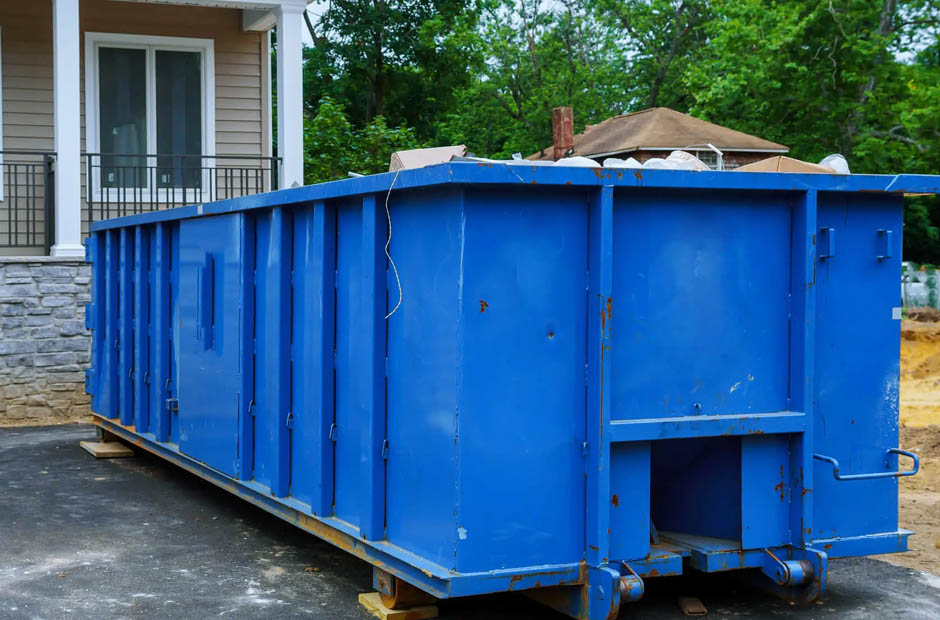
Because waste varies so much, choosing a dumpster should begin with the material and volume involved. The container is not the star of the project. It is the backstage crew that quietly keeps everything from becoming a permanent outdoor art installation.
For a dumpster rental in Westfield, MA, describe the project in practical terms. Mention whether the work involves furniture, drywall, roofing materials, flooring, brush, household clutter, or heavy construction debris. A provider can use those details to recommend a container that fits the job more accurately than a vague request for “something big.”
Estimating waste before ordering does not require mathematical wizardry. Consider how many rooms are involved, how much material is being removed, and whether bulky items will be broken down. A pile of intact cabinets takes up more space than the same cabinets dismantled into manageable pieces. Furniture, mattresses, and carpeting also consume airspace quickly, even when they are not especially heavy.
Match Dumpster Capacity With Waste Volume
Dumpster sizes generally range from compact containers for modest cleanouts to larger units for renovations and major property projects. The best choice leaves enough room for the expected debris without turning the container into a precarious monument.
A container that is too small creates several problems. Waste may spill over the top, workers may need to stack materials in unsafe ways, and an additional pickup may become necessary. A container that is too large can waste money and occupy more driveway space than the project requires. The goal is not to rent the biggest box in the kingdom. The goal is to rent a container that handles the debris comfortably.
Volume is only half of the sizing puzzle. Weight matters just as much. Concrete, brick, soil, tile, and roofing materials can become extremely heavy long before the container looks full. A dumpster filled with lightweight cardboard may be manageable, while one filled halfway with broken masonry may already be approaching its weight allowance.
When discussing size, explain whether the waste is mostly bulky, dense, or mixed. This small detail can prevent a large headache later.
Separate Heavy Debris From Bulky Debris
Waste behaves differently depending on what it is made of. A stack of old carpet may fill a container quickly but remain relatively light. A compact load of bricks may occupy less space but strain the weight limit like a determined elephant.
Special containers or handling rules are often needed for heavy goods. Concrete, mud, asphalt, stone, and brick may need to be separated from household garbage. Combining heavy waste with regular renovation materials might slow loading and raise the risk of exceeding limitations.
Find the project’s heaviest materials before delivery. Ask if the supplier accepts them, if there is a weight limit, and if the load should stay separate. Basement work, driveway repairs, masonry removal, and landscaping with plenty of dirt require this.
Loading technique also matters. Heavy items should be distributed across the floor rather than dumped in one concentrated corner. Think of it as making a sturdy waste lasagna. Dense layers belong at the bottom, lighter materials go above them, and nothing should rise dangerously above the rim.
Read the Pricing Details Like a Detective
Dumpster pricing can include several parts, and each provider may organize those charges differently. The advertised rate might cover delivery, removal, disposal, a specific rental period, or a particular weight allowance. Other costs may be listed separately.
Before scheduling, ask for a clear explanation of the total price. Find out whether delivery and pickup are included, how disposal is calculated, and whether taxes or administrative charges apply. A written quote is useful because memory becomes suspiciously unreliable when a cleanup project is producing dust, noise, and twelve separate decisions before lunch.
Overweights need extra attention. Find out the cost of exceeding the rental’s tonnage limit. Ask about extra prices for extra days, a second pickup, or delivery timing changes. Knowing these numbers beforehand helps manage the budget and pick what goes in the container.
The cheapest initial price is not always the lowest final cost. A slightly higher rate with transparent terms may be more valuable than a bargain that arrives with a parade of surprise charges.
Plan the Dumpster Location Before Delivery Day
The delivery place should be flat, stable, and truck-accessible. Although convenient, a driveway must have enough space for the container and delivery vehicle. A basic location can become a roadside conundrum with low branches, tight gates, parked cars, utility equipment, and attractive garden items.
Measure the position and evaluate how the dumpster door or access area will be used. Placing the container too far away wastes workers’ time carrying debris from the property. If it’s next to a busy walkway, it may block foot traffic and make every journey difficult.
Protecting the surface may also be worthwhile. Driveways can be vulnerable to scratches, pressure, or stains, particularly during heavy loading. Ask the provider how placement works and whether protective boards or other measures are available.
If the container must sit on a public street, local rules may apply. Permits, visibility requirements, and parking restrictions can affect the schedule. Addressing those details before delivery helps prevent the dumpster from becoming an unexpected traffic landmark.
Make Loading Safer And More Efficient
A dumpster is not a bottomless pit, despite its impressive ability to swallow the contents of a garage. Materials should be placed inside carefully and kept below the top edge. Items hanging over the sides can create safety risks and may violate transportation requirements.
Break down large furniture whenever possible. Flatten cardboard, collapse empty boxes, and cut long materials into shorter sections. This creates more usable space and reduces the temptation to pile debris higher than the container allows.
Keep prohibited items out of the load. Paint, chemicals, propane tanks, batteries, asbestos containing materials, and certain electronic or medical waste may require separate disposal methods. Even a small amount of restricted material can complicate pickup and processing.
Sharp objects should be handled thoughtfully. Broken glass, exposed nails, and jagged metal can injure anyone loading the container or handling it later. Place such materials securely inside the dumpster and avoid leaving dangerous edges exposed near the top.
Coordinate Rental Timing With The Work
The ideal delivery date depends on when debris will actually begin accumulating. Bringing the container too early may occupy valuable space and encourage unrelated clutter to move in. Scheduling it too late can leave workers stepping around debris while waiting for the container to arrive.
Estimate the active cleanup duration, not just the commencement date. A comprehensive property cleaning can take several weekends, but a little bathroom remodel can be completed fast. Weather, contractor schedules, inspection delays, and a very messy basement can all effect timing.
Confirm rental start and end dates, extra time requests, and pickup scheduling. Some companies schedule a pickup, while others encourage customers to contact when the container is ready. Knowing the method prevents the dumpster from staying after the project or leaving before the final pile is loaded.
FAQ
What should be described when ordering a dumpster in Westfield?
Include project type, predicted debris, quantity, heaviest materials, ideal placement area, and rental term. Providers offer containers and explain rules based on flooring, concrete, appliances, furniture, yard garbage, and roofing materials.
Can household items and renovation debris go into the same dumpster?
Often they can, but acceptance depends on the provider and the disposal facility. Household clutter, wood, drywall, and flooring may be accepted together, while chemicals, certain appliances, tires, batteries, and hazardous materials may be restricted. Confirm the material list before loading begins.
How can a renter avoid exceeding the weight limit?
Identify dense materials before ordering, choose a container designed for the waste, and spread heavy debris evenly across the bottom. Avoid mixing large amounts of soil, concrete, brick, or asphalt with general household waste unless the provider confirms that the container and allowance are appropriate.
What happens if the dumpster becomes full before the project ends?
Contact the provider before debris rises above the rim. The company may arrange a replacement container, an additional pickup, or a larger unit. Overfilling the dumpster can create transportation and safety problems, so the upper edge should remain clear.
Is a driveway always the best placement location?
A driveway is often convenient, but it is not automatically the right choice. The surface should be stable and accessible, with enough clearance for delivery equipment. If the dumpster must be placed on a public street or another restricted area, local permissions may be required.
How far in advance should delivery be arranged?
Scheduling several days ahead is useful for renovation, moving, demolition, and seasonal cleanup projects. More time may be needed during busy periods or when a particular container size is requested. The delivery date should match the point when debris will begin accumulating in earnest.
Can the rental period be extended?
Many providers allow extensions if requested before the scheduled pickup, although availability and daily charges may apply. The extension policy should be confirmed when the order is placed, especially for projects with uncertain completion dates.
Why is a written quote important?
A written quote records the agreed container size, rental period, included services, weight allowance, disposal terms, and possible additional fees. It gives the customer and provider the same reference point and reduces confusion when the project becomes busy.