Outdoor spaces do more than connect the parts of a property. Stamped concrete offers a way to create a decorative finish without using individual stone or brick units, but the result depends heavily on design choices and installation quality.
What Stamped Concrete Actually Is
Stamped concrete is poured concrete that is patterned and textured while it is still workable. Installers use specialized mats to create impressions resembling slate, flagstone, brick, cobblestone, or wood planks. Color can be added through the concrete mix or applied to the surface, creating variations that make the finished slab look more like natural material.
Its appeal comes from combining a continuous concrete surface with decorative flexibility. Rather than placing many individual pavers, a contractor creates a unified area with a selected pattern and color scheme. This can simplify the visual layout across patios, paths, and other outdoor spaces.
However, stamped concrete is still concrete. It can crack, needs appropriate drainage and base preparation, and requires care to preserve its finish. The decorative surface does not remove the structural considerations involved in any concrete installation.
Design Choices Shape the Finished Look
Pattern often gets the attention first, but color can make an equally big difference. A stone pattern with an unnatural color combination may look artificial, while subtle variations can create a more convincing finish. Integral pigment, surface color hardeners, release colors, borders, and sealer sheen all influence the result.
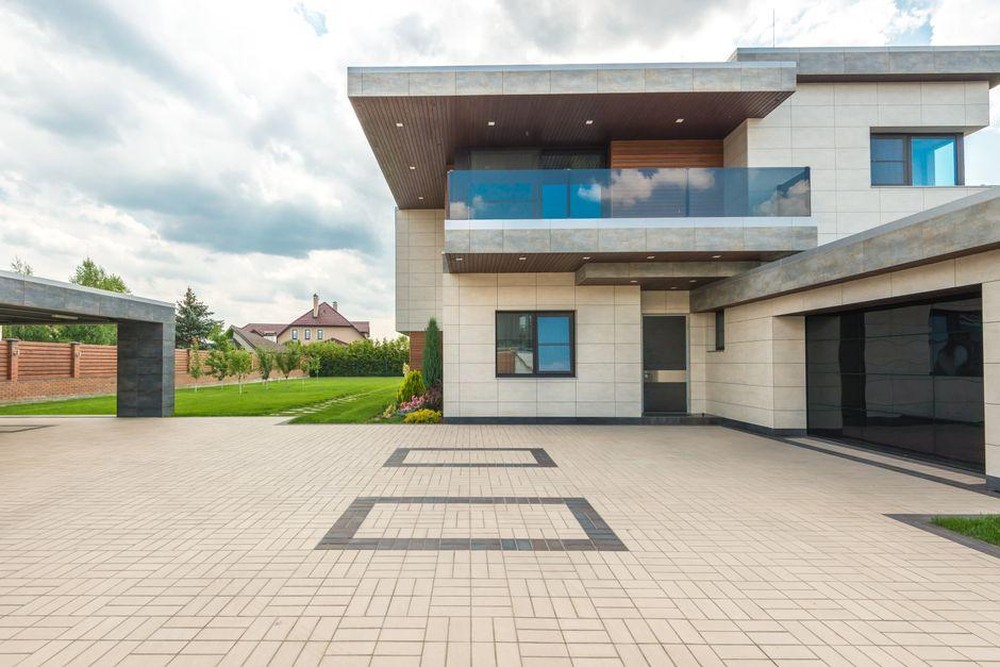
Scale matters too. A large ashlar pattern may overwhelm a small courtyard, while a tight brick pattern can look overly busy across a broad driveway. Choose colors that complement the home’s roof, siding, brickwork, trim, and landscaping.
Ask to see full-size samples or completed projects in similar lighting. Contractors offering stamped concrete services can help explain available patterns and finishes, but the final selection should suit the property and its practical use.
Where It Works Best Around the Home
Patios are a natural fit because they provide space for outdoor furniture, dining, and entertaining.
Walkways can also benefit. Around pools, discuss texture, glare, and suitability for wet foot traffic.
Driveways are possible, but they face different demands. Vehicles create repeated loads, turning forces, and exposure to oil, tire marks, and other stains. A driveway needs careful planning of thickness, base preparation, drainage, reinforcement where specified, and joint placement.
Installation Quality Makes the Difference
A decorative finish can hide neither poor preparation nor weak workmanship. The ground beneath the slab needs appropriate preparation and compaction. The concrete mix, placement, finishing, stamping timing, and curing process all affect the final surface. An unstable base or poor drainage can lead to settling and cracking.
Joint placement is another important detail. Concrete naturally changes volume as it dries and responds to temperature. Control joints help manage where cracking is more likely to occur. Their locations should be planned with the pattern so they do not create awkward visual interruptions. The American Cement Association also explains why curing methods must suit decorative finishes in its guide to finishing concrete with color and texture.
Understand Sealing and Ongoing Maintenance
Stamped concrete is not maintenance-free. Depending on the surface and product selected, a sealer may help reduce water penetration, staining, and wear while enhancing the color. The right product and application method matter: applying sealer too early, using an incompatible product, or applying too much can lead to cloudy or uneven results.
The American Society of Concrete Contractors provides best practices for sealing stamped concrete, including guidance on sealer types, surface preparation, and application. Follow the installer’s recommendations and the sealer manufacturer’s instructions rather than assuming every surface needs the same schedule.
Routine care is straightforward. Remove leaves and dirt, clean spills before they settle, and use cleaning methods suitable for the finish. Avoid harsh chemicals unless the product guidance confirms they are appropriate. Inspect the surface periodically for worn sealer, discoloration, or areas where water is collecting.
Compare It With Pavers, Stone, and Plain Concrete
Plain concrete is usually the simplest option and can be practical where appearance is less important. Pavers allow individual units to be replaced, but joints need attention and sections can shift. Natural stone looks authentic but can cost more to supply and install.
Stamped concrete sits between these choices. It can provide a decorative look over a continuous surface, often at a lower cost than natural stone. Repairs can be difficult to match because reproducing the original color and pattern is challenging. Consider this trade-off before choosing it for a highly visible area.
Questions to Ask Before Hiring a Contractor
Ask how the contractor will prepare the base, manage drainage, determine slab thickness, plan joints, select the mix, and handle curing and sealing. Request a written scope that explains what is included and what may cost extra.
Look at projects that have been in place for a year or more, not only freshly completed work. Older examples reveal how the surface has weathered and whether color, edges, and sealer still look consistent. Confirm who will do the work and how weather delays will be handled. Ask about warranties, curing time, and when the surface can safely accept regular use again.
Make the Choice for the Long Term
Stamped concrete can improve an outdoor area when its pattern suits the home and its construction matches the demands of the space. It is not simply a decorative shortcut: preparation, placement, curing, and maintenance all matter.
Compare the full project rather than choosing solely by the lowest quote. A well-planned surface should look appropriate, perform reliably, and remain manageable to care for. The best design is not necessarily the most elaborate one. It is the one that fits your property, your budget, and the way you expect to use the space.