Drilling a private well is a major property decision, and the best time to solve problems is before the rig reaches the site. A thoughtful plan helps homeowners, ranch owners, and rural businesses align their water supply with the layout of the land, local requirements, and long-term goals.
For property owners in South-Central Texas, well drilling contractors such as Hazelett Drilling can provide useful site-specific guidance. Hazelett Drilling is a family-owned Lockhart, Texas company with more than 45 years of experience in water and oil well work, including residential, commercial, agricultural, and oil-field projects. Consulting an experienced local team early can help connect water needs, access conditions, equipment planning, and the realities of the property.
Start With Water Needs
Begin by listing how the property will use water now and later. Include household occupants, bathrooms, laundry, irrigation, livestock, workshops, guest houses, pools, and rental units. Daily consumption matters, but so does peak demand. A system may need to serve showers, appliances, and an outdoor faucet at the same time.
Well yield, pump capacity, pressure settings, and storage equipment work together. For example, a home designed for a small household may need a different pump and pressure setup if the owner later adds a guest home, barn apartment, or irrigation zone. Discuss expected growth before equipment is selected.
Choose the Well Location Carefully
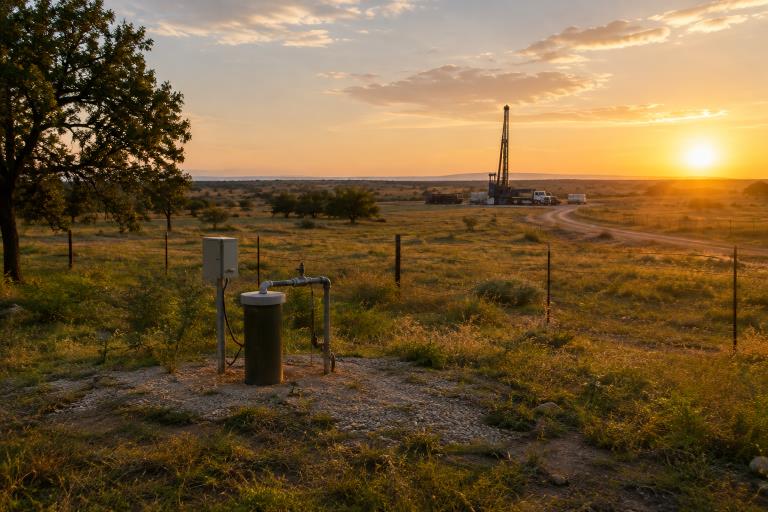
A practical well location balances groundwater access with protection, convenience, and future use of the land. Review property lines, proposed buildings, driveways, drainage patterns, utility corridors, low areas, and areas that may flood. The site must also be reachable by drilling equipment and remain accessible for later inspection or repair.
Plan the well and septic system together, not as separate projects. Septic tanks, drain fields, wastewater features, and required setbacks can affect where a well belongs. Leave room for future structures, electrical connections, and water lines so the wellhead does not become boxed into an inconvenient location.
Research Local Well Records
Nearby records can provide helpful context about reported depths, water levels, formations, and previous drilling activity. In Texas, property owners can review available groundwater data and well reports through the Texas Water Development Board. Use those records as planning clues, not promises, because underground conditions can change across relatively short distances.
Check Rules and Permits
Requirements may come from state agencies, a groundwater conservation district, county offices, health authorities, or other local entities. Confirm the rules for the exact parcel, especially if it sits near a district boundary. Ask whether registration, spacing, production limits, construction standards, or completion reports apply, and keep copies of every permit, invoice, well record, and test result.
Plan the Drilling Budget
Well costs vary because each site presents different depths, formations, access constraints, casing needs, and equipment requirements. A complete budget may include drilling, casing, grouting, pump installation, pressure equipment, electrical service, trenching, storage, water treatment, and restoration of the work area.
Request a written estimate that identifies what is included and what may change if field conditions differ from expectations. Comparing only a per-foot drilling price can leave out important parts of a finished, dependable water system.
Understand the Drilling Process
Although the details vary by site, a typical project follows a straightforward sequence:
- Review the proposed location, water goals, access route, and applicable requirements.
- Prepare the site and bring in the drilling rig and support equipment.
- Drill through local formations while monitoring conditions.
- Install casing, seals, and other well components as required.
- Develop the well and evaluate available water.
- Install the pump, pressure tank, controls, wiring, and connected lines.
- Document the completed well and retain the records for future service.
Select Pump Equipment That Fits the System
The pump, pressure tank, pressure switch, controls, wiring, valves, and filtration equipment should match the well’s tested performance and the property’s expected demand. A pump that is too small may struggle during periods of heavy use. A poorly matched system can also lead to frequent cycling, unnecessary wear, or inconsistent pressure.
Choose treatment equipment after water testing identifies an actual concern. Filters, softeners, and other treatment methods should address documented water conditions rather than assumptions based only on appearance or taste.
Test Water Quality After Completion
Clear water is not automatically safe water. After construction, use a certified laboratory and ask local officials or qualified professionals which tests fit the area’s groundwater conditions and nearby land uses. The EPA’s guidance for protecting home well water recommends regular testing and additional testing after flooding, repairs, changes in taste or odor, or significant nearby land disturbance.
Maintain the Well Over Time
Private well ownership continues after installation. Inspect the cap and visible plumbing, watch for changes in pressure, flow, color, taste, or odor, and keep chemicals, fuel, fertilizers, and animal waste away from the wellhead. Record water tests, pump repairs, filter changes, and service visits. Those records can make future troubleshooting easier and help the next owner understand the system.
Common Questions
How deep should a private well be?
There is no single correct depth. Geology, groundwater conditions, intended use, local construction requirements, and drilling results determine the final depth.
Can nearby well records guarantee water on my property?
No. They can reveal local patterns, but they cannot guarantee the depth, yield, or water quality of a new well.
What should I ask a drilling contractor?
Ask about licensing or applicable qualifications, the basis for the proposed location, what the estimate includes, how the well will be tested, who installs the pumping system, and which completion records you will receive.
Conclusion
A private well is more than a drilled hole. It is a complete water system that must fit the property, household, and future plans. By evaluating demand, coordinating the well with septic and building plans, checking local requirements, budgeting for the full system, and maintaining clear records, owners can make more informed decisions before drilling begins.