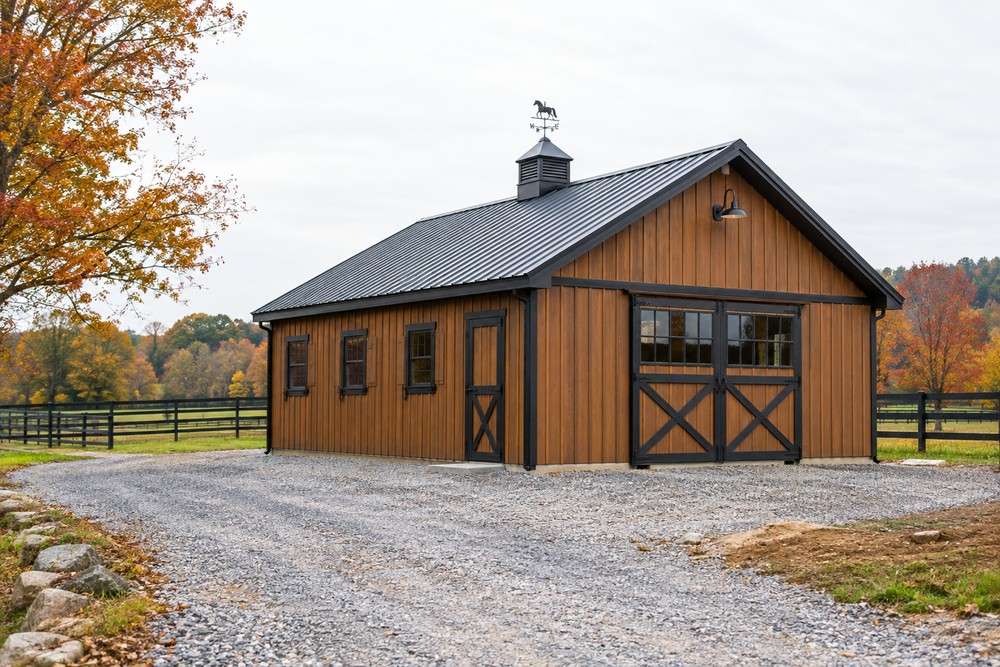
By the end of September, the building season starts to feel shorter than it did a few weeks earlier; for property owners who need a shed, barn, or other outdoor structure, waiting until the weather turns cold can create unnecessary scheduling problems. Ground conditions become less predictable, crews have fewer workable days, and material deliveries can become harder to coordinate.
That does not mean every project needs to be rushed. It means the ordering timeline deserves attention. If a structure needs to be installed before winter, make schedule-affecting decisions early enough to account for production, site preparation, delivery, and weather.
Why Late September Matters
Fall weather can change quickly. A week of heavy rain may leave a site too soft for delivery equipment. At the same time, an early freeze can affect excavation and other site work. Even when temperatures remain comfortable, shorter daylight hours can reduce productive time each day.
For buyers, the important question is not simply, “Can this structure be built before winter?” It is, “How much time is needed between placing the order and having the site ready for installation?”
Several steps can affect that answer:
- Choosing the structure and layout
- Confirming dimensions and options
- Preparing the site
- Completing any required permits
- Scheduling production
- Coordinating transportation
- Preparing for installation
- Allowing room for weather-related changes
A project that looks simple on paper can involve several separate schedules. Starting the process in September gives property owners more opportunity to handle those details before winter conditions become a factor.
What the Timeline From Order to Installation Looks Like
The exact timeline varies by builder, structure, customization, location, and site conditions. However, buyers can think of the process in stages rather than as a single installation date.
1. Design and Order
The first stage involves deciding what the building needs to accomplish. Storage, livestock housing, equipment protection, and workshop use can all require different layouts.
At this point, buyers should confirm:
- Overall dimensions
- Door locations and sizes
- Windows and ventilation
- Interior partitions
- Flooring requirements
- Electrical or utility needs
- Roof and siding options
- Delivery access
Custom structures require additional decisions, so allowing time for design approval can help prevent last-minute changes.
For property owners comparing options, custom barns delivered to your property can simplify the process when the building needs to match a particular site, use, or layout. The key is to discuss access and site conditions before setting the delivery date.
2. Production
Once the order is finalized, the builder must prepare materials and move the structure through its production schedule. This is one reason late-season buyers should avoid assuming that an order placed today will be installed immediately.
Production time can be affected by:
- Material availability
- Custom features
- Current order volume
- Size and complexity
- Changes made after approval
Ask for a realistic production window rather than relying on a general estimate. It is also worth asking how schedule changes are communicated if materials or weather affect the original date.
3. Site Preparation
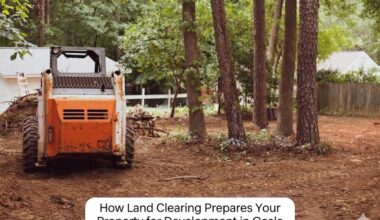
A finished structure still needs a suitable place to go. Site preparation can include clearing vegetation, leveling the area, improving drainage, and creating an appropriate base.
This step is especially important in fall because wet soil can become a major obstacle. Delivery vehicles and installation equipment need stable site access.
Before work begins, check:
- Whether the ground drains well
- Whether the access road can support delivery equipment
- Whether low branches or narrow gates create clearance problems
- Whether the building site is level enough
- Whether water tends to collect in the area
Completing these tasks early leaves more flexibility if several rainy days arrive.
Where Delays Commonly Come From
Not every delay is the builder’s fault. Some come from decisions or site conditions that could have been addressed earlier.
Waiting Too Long to Finalize Details
Changing a door location or adding a feature after production has started can affect the schedule. Buyers should review drawings, measurements, and options carefully before approving the final order.
Unprepared Delivery Access
A structure cannot be delivered efficiently if the truck or equipment cannot reach the installation area. Discuss narrow drives, soft ground, steep grades, gates, and overhead obstacles in advance.
Permits and Local Requirements
Some areas have zoning, setback, permit, or inspection requirements for accessory structures and agricultural buildings. Requirements vary by location, so property owners should confirm local rules before ordering.
Weather
Rain, snow, frozen ground, and saturated soil can all affect outdoor construction. A realistic schedule should leave some room for weather instead of assuming every planned workday will be usable.
Fall Planning for Horse Owners
For horse owners, the timing of a barn project can matter even more. Horses need safe, dry shelter as temperatures fall, and the building must be functional before winter conditions arrive.
In Kentucky’s Bluegrass region, fall weather can provide workable construction conditions, but it can also shift quickly. Horse owners arranging Kentucky horse barn delivery should consider the relationship between the delivery date, site access, stall preparation, and the arrival of colder weather.
Before the barn arrives, owners can prepare the property by:
- Clearing the installation area
- Confirming truck and equipment access
- Preparing the foundation or base
- Installing or arranging utilities where needed
- Organizing stall equipment
- Checking drainage around the future barn
- Planning temporary horse housing if the schedule changes
This preparation can reduce the work left after the structure is installed.
Getting Stalls Ready Before the First Hard Freeze
Installing the building is only one part of preparing a horse property for winter. Stalls and surrounding areas should also be checked for practical use.
Owners should consider ventilation, water access, lighting, drainage, bedding storage, feed storage, and safe movement through the barn. Doors should operate smoothly, and frequently used paths should remain accessible during wet or freezing weather.
Water systems deserve particular attention. Exposed pipes and troughs can become vulnerable as temperatures drop. Planning their placement and protection before winter arrives can prevent avoidable problems later.
The goal is not simply to have the building standing before cold weather. It should be ready to function as part of the property’s daily routine.
A Simple Late-Season Checklist
If a shed or barn is still on the fall to-do list, working backward from the desired installation date can make the process easier.
Four to six weeks or more before installation:
- Confirm the building design
- Review local requirements
- Place the order
- Verify site dimensions
- Identify delivery obstacles
Before production is complete:
- Finish clearing and grading
- Prepare the base
- Confirm access for delivery equipment
- Arrange utilities if necessary
- Review the expected installation window
Before the crew arrives:
- Keep the access route clear
- Remove temporary obstacles
- Confirm the site is dry and accessible
- Have any required documentation ready
- Make sure livestock and equipment are safely out of the work area
Do Not Let the Calendar Make the Decisions
The end of September is a useful point to evaluate any outdoor building project that needs to be completed before winter. The most important step is not simply choosing a building. It is understanding the entire sequence from design and ordering through production, site preparation, delivery, and installation.
Starting earlier gives buyers more room to handle unexpected weather, material delays, or site issues without turning a manageable project into a winter emergency. A little scheduling discipline in the fall can mean the difference between a structure ready when needed and one that has to wait for the next workable building season.