A well-maintained yard should handle rainfall without leaving soggy patches or sending water toward the house. Poor drainage can erode landscaping, attract mosquitoes, damage hardscaping, and increase moisture around the structure. In Tavares, Florida, heavy rain can arrive quickly, so understanding how water moves across your property helps prevent costly repairs.
Standing Water Is More Than a Cosmetic Problem
A puddle that remains for several days deserves attention. It may indicate low spots, compacted soil, poor grading, or runoff that has no suitable route away from the property. Constantly wet ground can weaken lawn areas, damage plant roots, and create conditions where mosquitoes breed.
Look for patterns after rainfall. A puddle that remains for days or repeatedly reaches the foundation deserves investigation. Does water collect in the same corner? Does a walkway stay muddy long after the rest of the yard dries? Are there channels where water has washed soil or mulch away? These clues distinguish temporary wet patches from recurring drainage issues.
Choose a Drainage Solution That Fits the Property
There is no single fix for every wet yard. Some properties need improved grading, while others benefit from downspout extensions, shallow swales, catch basins, or underground drainage. The right option depends on soil, slope, the amount of runoff, and where collected water can legally and safely discharge.
A French drain may help where water collects in a particular area, or subsurface drainage is needed. It typically uses a gravel-filled trench and perforated pipe to collect and redirect water. When repeated pooling or groundwater problems affect the property, a French drain service in Tavares may be worth discussing with a drainage professional. The system should be designed around the actual water path, not installed simply because it is a popular solution.
Your Foundation Can Be Affected Before Cracks Appear
Water repeatedly collecting beside a home can saturate the soil around its foundation. Over time, moisture may find its way through vulnerable areas, contribute to damp crawl spaces, or affect materials close to ground level. Visible cracks are not the only warning sign.
Inside, watch for musty smells, damp baseboards, swelling near lower walls, or unexplained moisture in storage areas. These symptoms have several possible causes. If they appear alongside recurring exterior pooling, have the water flow assessed.
Landscaping Often Shows the First Signs
Drainage trouble can undo landscaping gradually. Flower beds may erode, mulch can wash onto paths, and plants may struggle when their roots remain waterlogged. You might also notice exposed roots, bare lawn patches, or decorative stones displaced after storms.
Replacing mulch or reseeding may improve appearance temporarily, but will not solve recurring runoff. Observe where water enters and leaves each garden area; changing one spot can simply move the pooling elsewhere.
Gutters and Downspouts Are Part of the Same System
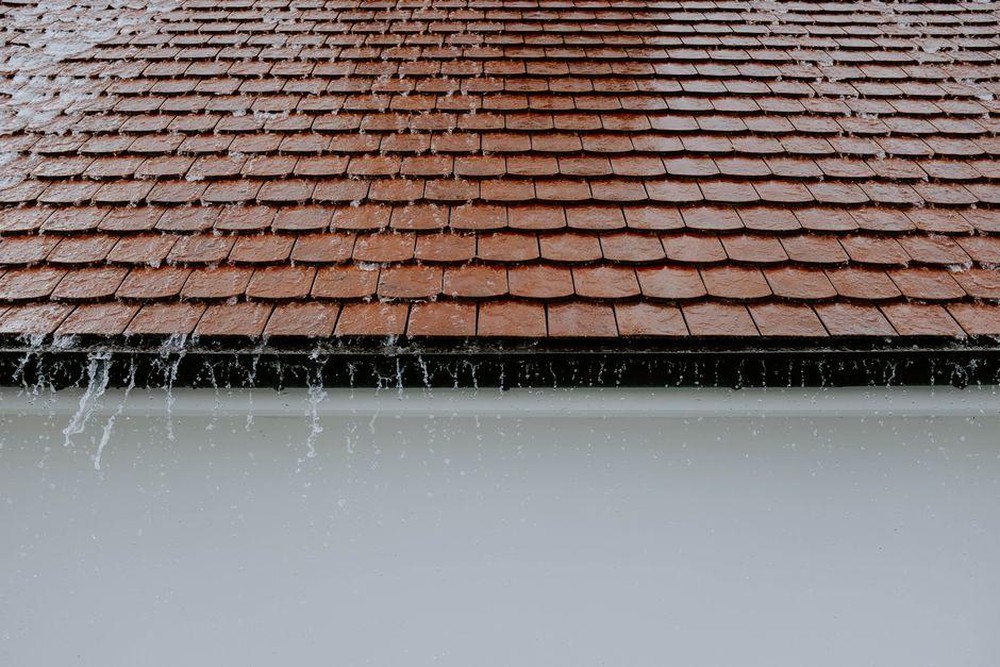
Roof runoff can add substantial water around a home. If gutters are clogged, overflowing, or disconnected, water may collect near the foundation or wash out garden beds. A downspout that releases water into a low spot can create a recurring puddle even when the rest of the yard drains properly.
Check gutters and downspouts for blockages and make sure water is directed toward an appropriate outlet. Do not redirect it onto a neighboring property or a walkway where it could create another problem. Check local requirements before changing grades or discharge routes.
The Federal Emergency Management Agency offers practical guidance for protecting your home from flooding, including maintaining gutters, improving lot grading, and directing runoff away from buildings.
Moisture Can Encourage Pests and Indoor Problems
Persistent dampness around a property can affect more than plants and soil. Standing water provides breeding habitat for mosquitoes, while damp areas near structures may attract insects and rodents seeking shelter. Moisture that reaches crawl spaces or wall cavities can also contribute to musty odors and conditions that support mold growth.
Not every wet yard causes an indoor infestation or mold problem, but standing water and recurring moisture near the building deserve attention. Keep vegetation trimmed, remove containers that collect rainwater, and avoid storing firewood directly against exterior walls.
Know When a DIY Fix Is Not Enough
Minor issues may respond to simple maintenance, such as clearing a blocked gutter, extending a downspout, or removing debris from a surface drain. More persistent problems can involve grading, compacted soil, high groundwater, or inadequate drainage capacity. Adding soil or digging a trench without understanding the flow can redirect water toward the house or a neighbor.
If pooling returns after each storm, have the property assessed before investing in a larger repair. A useful evaluation should consider the slope, collection points, roof discharge, soil conditions, and a suitable outlet. It should identify whether water moves across the surface or rises through saturated soil.
The U.S. Department of Energy explains how foundation drains, gutters, and downspouts help manage roof runoff and reduce soil saturation around a building.
Address Drainage Before the Next Rainy Stretch
Drainage problems are easiest to manage when you notice them early. Walk the property during or shortly after rain, when it is safe, and record where water gathers, where it flows, and how long wet areas take to dry. Take photographs so you can compare conditions after future storms.
A yard does not need to be perfectly dry immediately after heavy rainfall. The important question is whether water drains appropriately without repeatedly threatening the home, landscaping, or neighboring properties. In Tavares, planning ahead can reduce erosion, limit persistent moisture, and help protect the investment you have made in your property. A thoughtful drainage plan starts with observing the water, then choosing a solution that fits the land. Keep a simple record of repairs, inspections, and recurring wet spots.