The Problem With One Size Fits All Video
Imagine walking into a room wearing a tuxedo, carrying a surfboard, and announcing that you have arrived to teach everyone how to bake muffins. Technically, all the objects are real. Practically, the room is confused.
This happens when businesses post the same video everyplace. Audiences with varying habits receive the same narrative, tempo, music, and call to action. A professional network may value clarity and usefulness. A short-form entertainment platform may require a visual surprise before blinking. A video channel audience may enjoy a longer explanation.
The message may be excellent, but the delivery is wearing the wrong costume.
Modern video marketing works best when the main idea remains while the presentation varies. A product can be the hero in every iteration but appear in a new location, speak with a different pace, and showcase distinct features based on the viewer. This is not about creating a different identity for each audience. It involves translating one identity into numerous common dialects.
Seedance 2.0 makes translation much more flexible. Video artists can view it as a collection of ingredients rather than a locked box. Without starting over, you can change the graphic style, character, voice, setting, movement, and mood.
Start With the Message Skeleton
Before generating a dozen dazzling scenes, creators need a strong message skeleton. Otherwise, the production process becomes a glitter cannon pointed at a blank wall.
The skeleton is the part that should remain recognizable in every version. It may include:
- The problem the audience faces
- The product or idea that addresses it
- The most important benefit
- The emotional promise
- The action viewers should take
For example, a meal planning app might have a core message built around one simple promise: busy people can eat better without spending every evening chopping vegetables like frantic garden elves.
That promise can take several forms. A professional audience might see a calm, efficient presentation focused on saving time during the workweek. Parents might respond to a lively kitchen scene filled with realistic interruptions. College students might prefer a humorous version featuring inexpensive ingredients and minimal equipment.
The message skeleton remains intact. The clothes change. The furniture changes. The soundtrack may change from polished corporate percussion to a beat that sounds as if it escaped from a backpack.
This approach prevents AI generation from drifting into random novelty. Every variation has a job. It is not merely a different video. It is a different route to the same destination.
Design Versions Around Audience Behavior
Demographics can be useful, but behavior often provides better creative direction. Two people of the same age may consume video in completely different ways. One enjoys detailed tutorials. The other watches clips while waiting for a bus and has the attention span of a squirrel near an open snack bag.
Instead of asking only who the audience is, consider how they watch.
A fast-scrolling audience may need:
- A striking first frame
- Immediate movement
- Short sentences
- Large visual changes
- A clear payoff within seconds
An audience researching a purchase may appreciate:
- Demonstrations
- Comparisons
- Product details
- Calm narration
- Evidence that reduces uncertainty
A community-focused audience may respond to:
- Familiar locations
- Natural dialogue
- Local references
- Relatable problems
- A sense of personal connection
Seedance 2.0 can support these differences by altering the structure of the video rather than simply swapping a few words. A single product demonstration could become a rapid sequence of visual discoveries for short form viewers, a step by step walkthrough for potential customers, and a character-led story for an audience motivated by emotion.
The important detail is that personalization should reflect viewing behavior. Changing the color of a background is not the same as changing the way a story communicates.
Build a Visual Identity That Can Travel
A brand identity should not collapse the moment it leaves one platform. Yet it should also avoid becoming so rigid that every video feels like the same sandwich served on a different plate.
A portable visual identity usually includes a few repeatable elements:
- A recognizable color family
- Consistent product treatment
- A recurring character or spokesperson
- Similar lighting principles
- A familiar tone of humor or seriousness
- Repeated visual symbols
These elements act like signposts. They reassure viewers that the video belongs to the same brand, even when the setting and pacing are different.
A fitness organization may employ bright natural lighting, dynamic exercise, and a consistent coach in all versions. Professional editions may show clear studio training routines. A tiny abode and a hero with a resistance band may be in the beginner edition. Advanced versions may employ dramatic close-ups, faster edits, and more intensity.
The coach remains recognizable. The brand colors remain present. The product remains accurate. Yet each audience receives a visual experience that feels made for them rather than copied from somewhere else.
Use Characters as Campaign Anchors
A recurring character can turn a collection of advertisements into a miniature universe. Viewers begin to recognize the person, mascot, or animated figure before they fully understand what is happening. That recognition is valuable because familiarity lowers the effort required to pay attention.
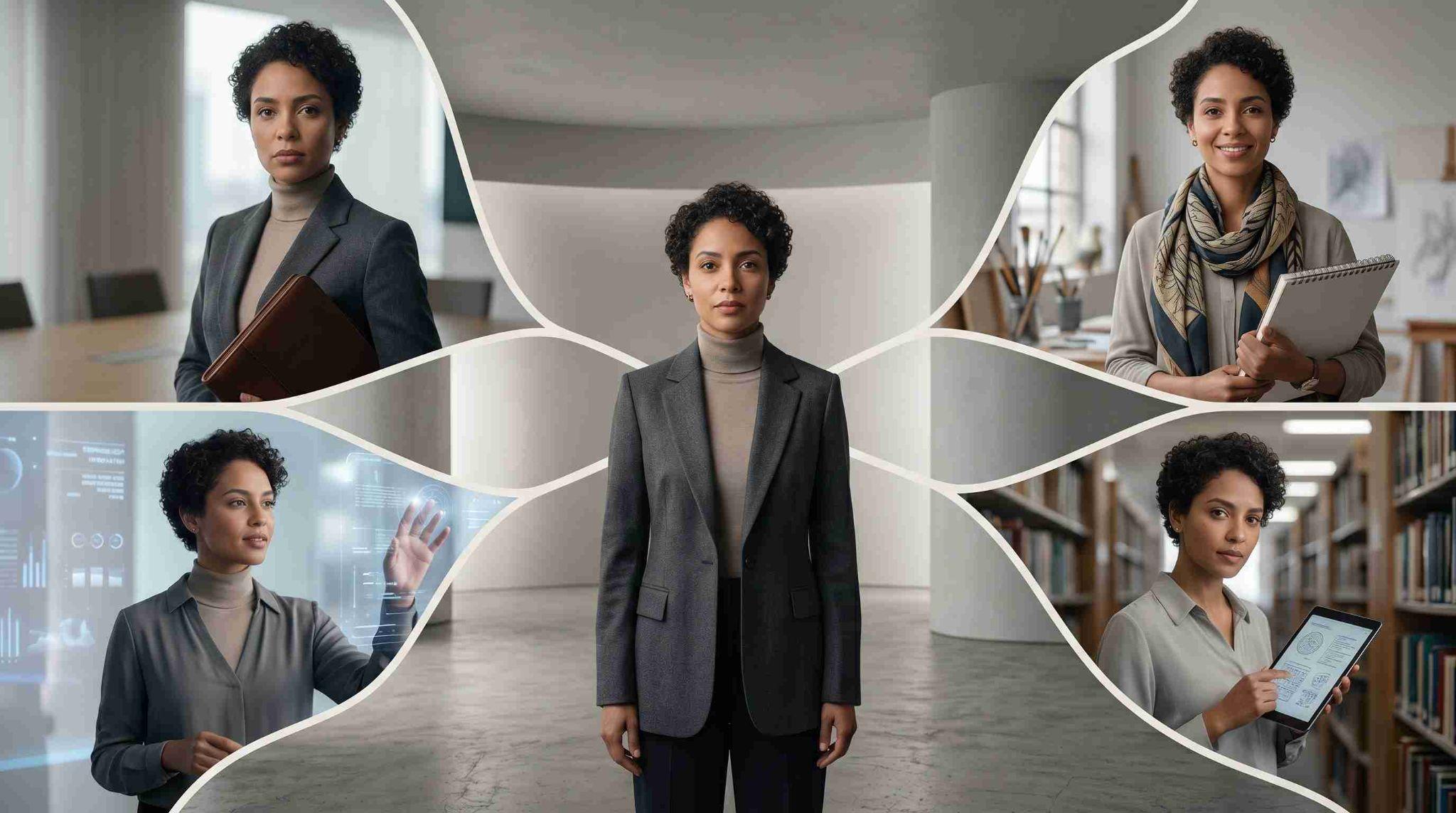
Character consistency matters especially when creating several audience-specific versions. A spokesperson who changes facial structure between scenes can make a polished campaign feel like a strange family reunion where everyone has borrowed the same jacket.
Seedance 2.0 is designed to help preserve identity across environments and shots. A character can move from a studio to a train station, from a conference room to a crowded kitchen, while retaining defining details such as appearance, clothing, and mannerisms.
This opens the door to character-led campaigns with multiple story branches. A helpful robot might explain software features to office workers, guide freelancers through task management, and help students organize exam preparation. The robot remains the same enthusiastic little machine. The problems around it change.
That continuity also encourages episodic content. Instead of publishing isolated advertisements, brands can create recurring situations. The audience starts wondering what the character will encounter next, which is much more powerful than hoping people will be excited by another floating product shot.
Turn One Production Into a Testing Laboratory
Traditional video production often treats each new version as a major event. New crew members appear. New schedules are created. Someone suddenly needs a very specific lamp. The budget begins making noises.
AI assisted production makes creative testing more practical. A team can compare several openings, tones, settings, and narrative structures before committing heavily to one direction.
For a single campaign, creators might test:
- A question-led opening
- A surprising visual demonstration
- A humorous character moment
- A direct product benefit
- A customer problem shown in real time
The winning version does not always have the most beautiful image. It may simply make the audience understand the value faster. Testing reveals what catches attention, what creates confusion, and what encourages viewers to continue.
The same process applies to pacing. A slow reveal may work beautifully for a premium product, while a faster opening may be better for an impulse-driven audience. With flexible generation, creators can explore these differences without treating every experiment like a financial expedition across a desert.
Make Audio Carry More of the Personality
Visual changes receive most of the attention, but sound can transform the emotional meaning of a video. The same scene can feel luxurious, ridiculous, urgent, or comforting depending on the voice, rhythm, and ambient sound.
A financial service might use measured narration and restrained music for an audience seeking reassurance. A youth-oriented version could use brighter rhythm, quicker dialogue, and sharper transitions. A local campaign might feature a conversational voice that sounds less like a polished announcer and more like a clever neighbor who has already solved the problem.
Audio synchronization is essential here. If speech, facial movement, gestures, and sound effects do not agree, viewers notice immediately. The result can feel like a puppet show performed by actors who have forgotten the rehearsal schedule.
By coordinating voice, movement, and scene timing, creators can produce variations that feel intentional. The audio should not be pasted onto the visuals like a sticker on a wet window. It should belong to the scene.
Create More Relevant Local Versions
Localization is not simply translating words. A message can be grammatically perfect and still feel like it arrived from another planet wearing a tiny business hat.
Local versions may need different:
- Settings
- Clothing choices
- Social situations
- References
- Humor
- Voice styles
- Product demonstrations
A travel company could show the same booking service in a busy city apartment, a quiet rural home, or a shared student residence. The central benefit remains consistent, but the circumstances feel familiar to each audience.
This makes the product easier to imagine in daily life. Viewers are not just hearing that the service works. They are seeing how it might fit into a world that resembles their own.
Protect Accuracy While Exploring Creativity
Creative freedom is useful only when the product survives the adventure. AI generated scenes should be checked carefully for distorted logos, altered packaging, impossible product features, and visual details that quietly turn a helpful device into a suspiciously bendy object.
A practical workflow separates creative experimentation from brand verification. First, generate several concepts. Next, review the strongest versions for consistency, accuracy, and audience fit. Finally, check every important product detail before publication.
This is especially important for industries where trust matters. Healthcare, finance, education, and technology products cannot afford visual confusion. A dramatic scene is helpful. A misleading scene is an expensive headache wearing cinematic lighting.
FAQ
What is the main advantage of creating multiple video versions?
The main advantage is relevance. Different audiences respond to different pacing, settings, voices, and storytelling styles. Multiple versions allow a brand to preserve its central message while presenting it in a form that feels natural to each group.
Can one character appear in several audience specific videos?
Yes. A consistent character can serve as a campaign anchor across different settings and storylines. The character may visit an office, apartment, classroom, or outdoor location while retaining recognizable visual features and behavior.
How many elements can creators combine in a Seedance 2.0 project?
The model supports multimodal workflows that can combine text, images, video, and audio assets. This allows creators to provide reference material and guide the generation with more context than a text prompt alone.
Does personalization require changing the entire brand identity?
No. Strong personalization keeps the core identity stable. Brand colors, product details, recurring characters, and central promises can remain consistent while the setting, rhythm, language, and emotional tone change.
What should creators test first?
Creators should begin with the opening seconds, because that is where many viewers decide whether to continue watching. Testing different hooks, visual actions, and first lines can reveal which version earns attention most effectively.
Can these videos be adapted for different languages?
Yes. Language, narration, captions, and cultural presentation can be adjusted for different markets. Effective localization should consider more than translation and should make the setting, humor, and delivery feel appropriate for the intended audience.
Why is audio synchronization important?
Synchronized audio makes characters and scenes feel believable. When speech, gestures, facial movement, and sound effects align, the video feels polished. When they do not, the audience may focus on the mismatch instead of the message.