Acquiring heavy machinery represents one of the largest capital decisions for construction enterprises, site developers, and general contractors. Choosing between purchasing machinery outright or securing temporary rental agreements shapes long-term cash flow, tax liability, project flexibility, and fleet management expenses. Analyzing financial and operational factors helps business owners determine the best acquisition strategy for their unique operational needs.
Financial Considerations: Upfront Capital and Cash Flow
Capital structure dictates how flexible a construction company can be when bidding on new contracts or navigating economic shifts. Every equipment acquisition method carries distinct financial consequences.
Upfront Capital Investment and Loan Commitments
Purchasing new heavy machinery demands substantial upfront capital or long-term financing commitments. Down payments, interest rates, and monthly finance obligations lock up liquid cash that could otherwise support working capital, payroll, or business expansion. Conversely, renting machinery eliminates massive down payments and preserves credit lines for immediate job site needs, allowing companies to scale fleet capacity up or down as project demands fluctuate.
Depreciation, Depreciation Offsets, and Tax Strategy
Owned equipment sits on corporate balance sheets as fixed assets. While machines depreciate over time, federal tax guidelines often allow businesses to claim depreciation deductions, offsetting taxable income. Rentals, on the other hand, qualify as immediate operating expenses that can be deducted directly during the tax year incurred, simplifying tax accounting for temporary projects.
Operational Considerations: Utilization Rates and Job Specifics
Financial math alone does not dictate the acquisition decision. Project scope, expected machinery usage hours, and job site environments play critical roles in determining whether buying or renting makes operational sense.
Calculating Utilization Rates for Maximum Return
Machine utilization dictates long-term cost effectiveness. If a piece of equipment sits idle in a storage yard for long stretches between projects, owning that machine incurs negative returns due to ongoing financing, storage, and insurance fees. As a general rule, machines that maintain utilization rates above sixty to seventy percent throughout the year justify direct ownership, while niche or low-use machines are better suited for temporary rental agreements.
Specialized Project Needs and Fleet Flexibility
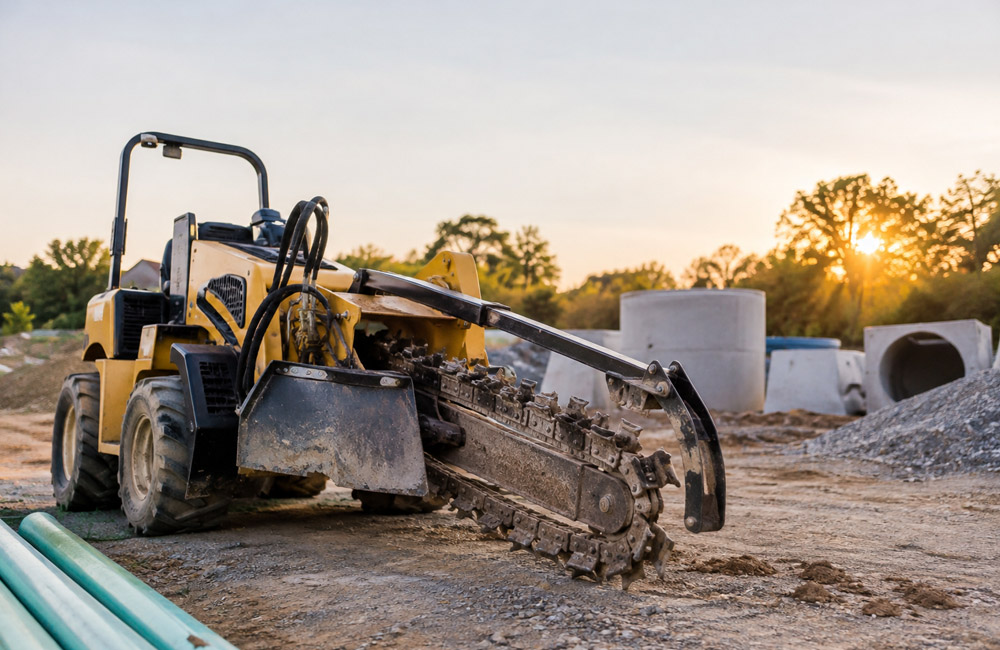
Certain construction contracts call for specialized machinery, such as long-reach excavators, high-capacity cranes, or unique trenching attachments. Purchasing niche units for single contracts ties up capital in specialized gear that may not fit future jobs. Renting grants access to modern, specialized fleets equipped with the latest technological improvements without long-term ownership commitments.
Ownership Expenses: Maintenance, Storage, and Transport
The purchase price of heavy machinery represents only a portion of total ownership costs. Auxiliary expenses accumulate continuously throughout an asset’s working life cycle.
Transport, Storage, and Insurance Expenses
Owned machinery requires secure, weather-protected storage facilities when not deployed on active job sites. Moving massive excavators or dozers between job sites demands heavy transport trailers, specialized permits, and certified drivers. Rental agreements frequently bundle drop-off and pick-up logistics into total rental contracts, relieving contractors of long-term storage and hauling burdens.
Maintenance Obligations and Equipment Upkeep
Maintaining owned fleets requires dedicated repair bays, specialized tooling, and trained diesel technicians. Unexpected hydraulic pump failures, track wear, or engine issues can halt job progress unexpectedly. Partnering with certified service specialists for heavy equipment repair in Utah ensures owned and leased machines receive expert diagnostic checks, preventive servicing, and fast component rebuilds, helping contractors protect their capital investments over time.